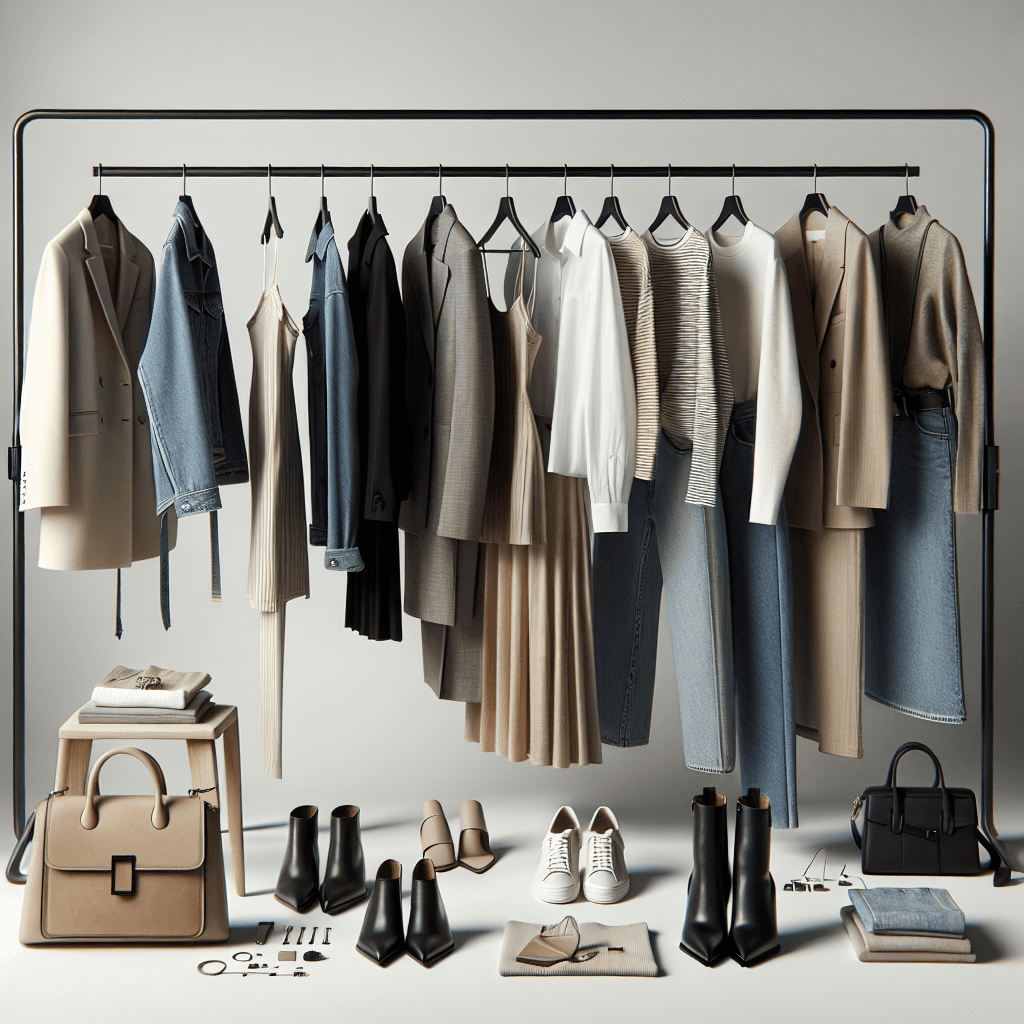
Why a capsule wardrobe
A capsule wardrobe distills your clothing into a compact set of pieces that mix and match effortlessly, reducing decision fatigue while ensuring you always have something appropriate to wear. In the apparel-fashion category, where trends move quickly and impulse buys can crowd a closet, a capsule provides structure: fewer items, clearer choices, and more cohesive style. It’s particularly practical if you juggle multiple roles or settings—commuting, study, casual weekends, or semi-formal gatherings—and need outfits to transition smoothly. Stradivarius is known for contemporary high-street style that blends trend-led details with everyday wearability, making it a natural destination for building a streamlined closet you can refresh seasonally. If you’re starting from scratch, begin by defining a color palette and silhouette preferences, then identify gaps your current wardrobe doesn’t fill. From there, select staples that anchor looks: a blazer, straight-leg denim, a versatile dress, comfortable knitwear, and footwear that suits your routines. Online browsing makes it easier to filter by size, color, fabric, and price, and to compare silhouette notes or lookbook images before deciding. As you plan, consider climate and lifestyle. Cool-weather capsules may prioritize outerwear and layers—think wool-blend coats, quilted jackets, sturdy denim, and boots—while warm-weather capsules center on breathable fabrics and lighter tones. Year-round capsules often balance both, leaning on transitional pieces such as lightweight trench coats, loafers, button-downs, and knit vests. Accessories also do heavy lifting: a neutral crossbody bag, a structured tote, and simple jewelry can change the mood of the same base outfit. Building intentionally helps you avoid duplicates and narrow-focus buys that languish unworn. If you’re exploring current options, you can browse the latest edits at stradivarius.com to gauge silhouettes, hemlines, and color stories that will blend with what you own. The goal is not to eliminate variety but to channel it into a concise framework: pieces that link to one another through color, proportion, and fabric so your closet works harder without constant additions.
Key pieces and fabrics
Successful capsules rely on a smart mix of categories that cover work, casual, and going-out moments with minimal overlap. Tailoring is an anchor: a relaxed blazer or softly structured jacket adds polish to denim, dresses, and trousers. For tops, think in layers: a crisp white shirt for structure; a knit or ribbed tee for texture; and a striped or graphic option for personality. Bottoms should include at least two silhouettes—straight or wide-leg denim for versatility and a tailored trouser or midi skirt for elevated looks. Dresses that pull double duty are especially effective: a slip or shirt dress can be styled with sneakers for day and heeled boots for night. Knitwear balances comfort and shape; a fine-gauge crewneck slips under blazers, and a chunkier cardigan adds warmth to tees and camis. Footwear choices can transform the same outfit: white or neutral sneakers keep it casual; loafers or ankle boots add structure; strappy heels or refined flats sharpen evening looks. Accessories make your capsule feel complete. A sleek crossbody for everyday, a tote for work or study, and a compact clutch for evenings cover most needs. Belts define the waist on dresses and oversized blazers, while minimal jewelry layers—studs, a pendant, and a simple bracelet—elevate basics without overwhelming them. When shopping, scan product pages for fabric composition and care tips, as these influence comfort and longevity. Cotton and linen breathe well for warm seasons; viscose and modal add drape and softness; blends with elastane improve recovery in knit tops and denim. For outerwear, wool blends and quilting offer warmth, while faux leather adds edge without heavy maintenance. Denim weight affects year-round wearability; mid-weight options often adapt best across seasons. Focus on consistent color families so pieces interlock: black, white, beige, grey, and denim blue form a reliable base, while one or two accent shades—burgundy, olive, or soft pastels—refresh outfits without fragmenting the palette. To fine-tune cost-per-wear, concentrate spend on pieces you’ll reach for often—jeans, blazers, and neutral shoes—while punctuating with smaller seasonal updates. If you’re checking current price points and size availability, you can explore offers and use filters to target exact colors, lengths, and materials that align with your plan.
Planning outfits and care
Translating your capsule into daily outfits becomes straightforward when you map use-cases and set simple rules. Start by auditing what you own: set aside five to ten keep-forever items that fit, flatter, and match your palette. List the gaps—maybe a tailored black trouser, a lighter spring coat, or a neutral sneaker—and allocate a realistic budget for filling them. As you browse, save potential pieces to a wishlist and compare silhouettes side-by-side; a straight-leg jean, for instance, pairs with loafers and boots across seasons, while a wide leg may require platform soles or tailoring. Check product measurements and photos to assess length, rise, and fit notes. When in doubt, consult size guides and verify materials; a blended knit may feel warmer than a pure cotton tee, and viscosity or modal can change drape. Consider how each candidate works with at least three outfits from your existing items; if it pairs easily, it’s more likely to earn its place. Once core items arrive, build a mini-lookbook. Photograph three to five combinations per piece, noting footwear and accessories. This pre-planning reduces morning decisions and makes travel packing easier. For care, follow garment labels closely: wash dark denim inside out to preserve color; reshape knits flat; use gentle cycles for delicate fabrics; and keep heat low for items prone to shrinkage. Rotate shoes and air garments between wears to extend freshness and reduce laundering frequency. Seasonal storage matters: clean items before storing, use breathable bags for outerwear, and place silica or cedar where humidity is a concern. A quarterly review keeps your capsule aligned with real life—retire what no longer fits your needs and consider minor tailoring to extend use. If you’re ready to compare current cuts, palettes, and accessories in one place, browse the brand’s official site and filter by category, color family, and fabric to maintain cohesion. With a focused plan, even a modest update—swapping a worn tee for a ribbed knit, adding a structured blazer, or choosing a versatile midi—can refresh the whole closet without overbuying.
Summary and next steps
A well-built capsule wardrobe simplifies getting dressed and maximizes the value of each purchase. By choosing a cohesive palette, clarifying silhouettes, and balancing categories—tailoring, denim, knitwear, dresses, and footwear—you create a closet where pieces work together by design. Stradivarius offers contemporary options that fit easily into this framework, from neutral staples to light seasonal refreshers. To get started, audit what you own, list true gaps, and set a budget. Then focus on fabrics and fits that suit your climate and routines, using size guides and product photos to preview how items will style with your essentials. Plan at least three outfit combinations for each new piece and document them so daily choices stay simple. Maintain your capsule with mindful care—gentle washing, proper storage, and occasional tailoring—to extend wear and keep items looking their best. With a deliberate approach, small, strategic updates can refresh your entire lineup, ensuring you have polished, comfortable outfits ready for workdays, weekends, and evenings without crowding your closet.