Why a versatile wardrobe matters
In the dynamic apparel and fashion landscape, a versatile casual wardrobe helps you navigate new seasons and shifting schedules without feeling overwhelmed by trends. Instead of chasing every drop, a focused selection of pieces can deliver day-to-day ease, consistent style, and better value from each item you own. Pull&Bear, known for youthful streetwear influences and approachable everyday looks, offers an accessible route to this kind of flexibility—think relaxed denim, neutral knits, graphic tees, utility trousers, and lightweight outerwear that all layer easily. The goal is to assemble items that mix and match across settings, whether you are commuting, heading to a casual meetup, or packing light for a weekend trip. Versatility starts with silhouettes and fabrics. Relaxed and straight fits, soft cottons, sturdy denim, and transitional layers tend to travel well between temperatures and dress codes. Choose a grounded color palette—stone, black, navy, ecru, and olive—then accent with a seasonal pop (a cobalt hoodie or a terracotta overshirt). When you keep the base palette consistent, each new piece slots in seamlessly, multiplying your outfit options without expanding your closet too quickly. Browsing drops on pullandbear.com through the lens of mixability—rather than stand-alone impact—can help filter choices fast. The approach also reduces decision fatigue. If your jeans, trousers, shirts, and outer layers share compatible shapes and tones, daily styling becomes a quick pick-and-layer routine. Look for items that function across contexts: a ribbed knit you can wear under a blazer or with joggers; a coach jacket that suits both a tee and a button-through shirt; a pair of denim that works with canvas sneakers one day and leather trainers the next. Paying attention to fabric weight further extends versatility: mid-weight knits, light quilted gilets, and overshirts help you adjust to fluctuating indoor and outdoor temperatures without needing a complete seasonal overhaul. Finally, consider upkeep and durability. Simple care instructions and sturdy stitching can keep garments rotation-ready for longer. Cotton blends with a touch of elastane, for example, can hold shape with repeated wears, and pre-washed denim often requires less break-in. These practical choices, paired with the brand’s casual design language, make Pull&Bear a useful starting point for anyone aiming to build a closet that stays relevant from one season to the next.
Key pieces, fabrics, and styling
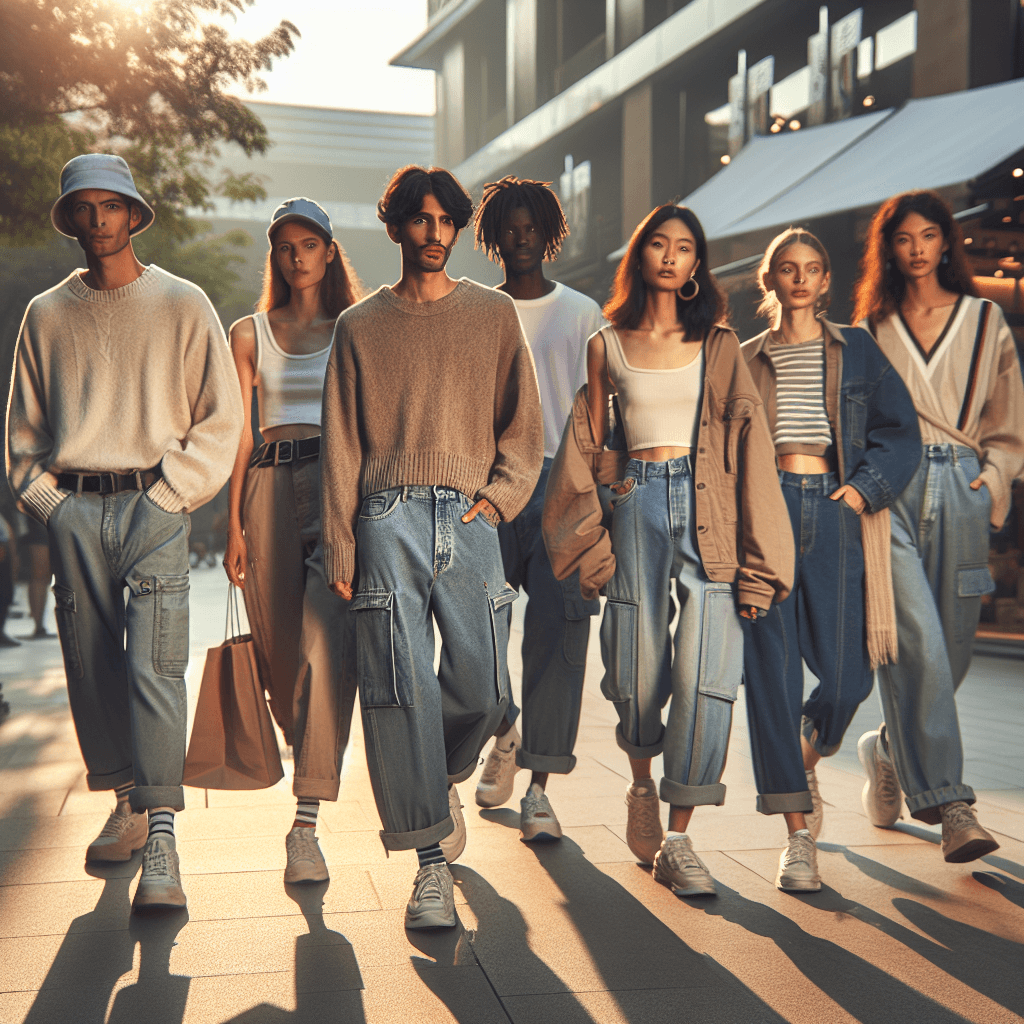
A flexible wardrobe rests on a handful of dependable categories, and Pull&Bear’s range maps well to those anchors. Start with denim: straight and relaxed legs are current without being fleeting. A mid-wash straight jean balances casual and polished, while a clean dark wash dresses up easily. If you prefer movement, look for a small percent of elastane for comfort. Next, utility or cargo trousers in cotton twill bring function to everyday wear; choose a tapered or straight cut that stacks neatly at the ankle so they pair with both low-top sneakers and chunkier soles. For tops, stock breathable cotton tees in neutrals and one or two graphic options to add personality. Long-sleeve tees or henleys create a bridging layer between T-shirts and knitwear. An overshirt—flannel for cooler months or cotton poplin for warmth—offers instant structure when worn open over a tee or buttoned as a single layer. Knitwear should be mid-weight for year-round utility: crewneck cotton or cotton-blend knits resist overheating indoors, while a zip-cardigan or quarter-zip adds airflow control. Hoodies and sweatshirts ground off-duty looks and also work under an overshirt or a light jacket. Outerwear is where transitions happen. Consider a lightweight bomber, a coach jacket, or a compact puffer depending on climate. A bomber in a neutral tone slides over denim and cargos alike; a water-repellent coach jacket brings everyday practicality without the bulk. When the temperature drops, a lightly padded jacket fills the gap between a hoodie and a heavy coat. Pull&Bear often rotates seasonal color stories, so you can add a single statement hue to a base of neutrals to refresh looks without breaking cohesion. Fabric choices shape comfort and maintenance. Combed cotton tees feel smooth on skin; cotton twill adds structure to trousers; denim weight influences drape and durability; and recycled or responsibly sourced fibers, when available, can support lower-impact choices. Check product pages for fabric composition and care guidance. You can browse new releases and explore offers to spot repeating silhouettes you already like; buying familiar shapes in fresh colors is an easy way to expand options. Styling comes down to proportion and texture. Try a straight jean with a slightly cropped bomber to balance volume, or pair a relaxed cargo with a more fitted knit to keep the outfit tidy. Mix smooth tees with ribbed cardigans, or matte twill with the slight sheen of a technical jacket. Footwear-wise, minimal sneakers keep outfits cohesive; if you prefer chunkier soles, balance the upper half with a roomier sweatshirt or overshirt so the silhouette remains intentional.
Smart shopping and next steps
A few practical steps will make online shopping more efficient and reduce returns. Start by bookmarking the size guides and product measurements. Pull&Bear’s silhouettes vary from fitted to relaxed, so measure your best-fitting tee, knit, jeans, and jacket at home and compare flat measurements to listings. Check the model’s height and size notes on each page to visualize drape. When in doubt between two sizes, consider the intended silhouette—oversized streetwear usually looks best true-to-style, while a cleaner look might call for a closer fit. Use filters to narrow by color, fit, and fabric. If your base palette is black, navy, ecru, and olive, apply those filters first so you only see items that naturally connect. Save favorites to a wishlist, then revisit after a day with fresh eyes. This pause helps you spot duplicates, prioritize gaps (for example, you might realize you own three similar hoodies but no neutral overshirt), and focus spending on the pieces that expand outfits the most. Review care instructions and fabric blends before checkout. Pieces with elastane may recover shape better in knits and denim; pure cotton often breathes more in tees and poplins. If available, scan any sustainability notes to align purchases with your preferences. Read customer feedback about fit, fabric feel, and color accuracy—especially for lighter shades like ecru or stone, which can vary screen to screen. Before placing an order, confirm shipping options and returns terms on the official site so you know the timelines and conditions. As your wardrobe takes shape, maintain it with simple routines: air knits between wears to reduce washing, turn denim inside out before laundering, and lay sweaters flat to dry to preserve structure. Rotate sneakers to extend their lifespan and to let outfits feel fresh without new purchases. Each season, reassess your capsule: retire anything worn-out, replace only what fills a genuine gap, and introduce one accent color or texture to keep looks current. Building gradually keeps the closet coherent, supports consistent personal style, and makes dressing easier day after day. If you’re still refining your direction, start with one complete outfit (denim, tee, overshirt, and light jacket) in your core palette. Wear it in different combinations for a week, note what feels most comfortable, and let those insights guide your next addition. Over time, you will build a set of reliable uniforms that flex with your calendar and your climate.
Bringing it all together
A versatile casual wardrobe balances practicality and personality. By focusing on compatible silhouettes, neutral foundations, and one or two accent colors, you create a closet where each new piece multiplies outfit options. Pull&Bear’s mix of denim, utility trousers, breathable tees, mid-weight knits, and adaptable outerwear offers an approachable path to that goal, helping you dress with ease across commutes, weekends, and short trips. Start with the essentials you wear most, confirm fits using measurements and size guides, and prioritize fabrics that suit your climate and care preferences. Then add layers that transition well—overshirts, hoodies, and lightweight jackets—to handle changing temperatures without a full closet reset. When shopping online, filters, wishlists, and a brief cooling-off period help refine choices; reading product details and checking delivery and returns information keeps the process smooth. Small, consistent steps—maintaining items carefully, reassessing seasonally, and adding only where your wardrobe has genuine gaps—go a long way toward a collection that looks intentional and feels effortless. With this approach, you can build a durable, mixable rotation that reflects your taste while staying ready for whatever the week brings.