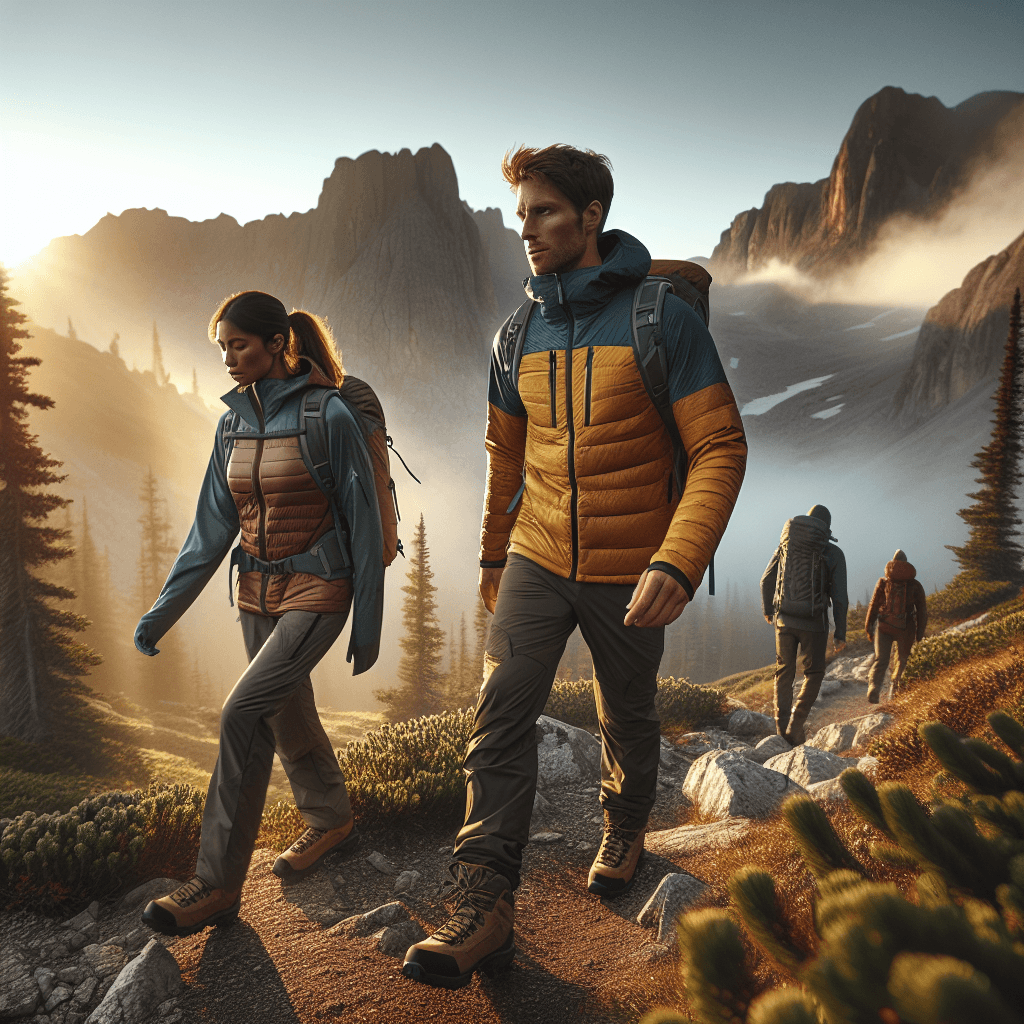
Why outdoor apparel matters
In outdoor pursuits and everyday commutes alike, the clothes you choose are your first line of defense against shifting weather and varied terrain. The right apparel helps manage heat, moisture, and movement so you can stay comfortable longer and focus on the moment, whether that’s a summit attempt, a Saturday trail run, or a rainy walk to the coffee shop. In the apparel and fashion category, performance gear stands apart because it blends style with technical function. Yet the abundance of options—waterproof-breathable shells, insulated jackets, sun-protective shirts, trail shoes, and more—can make shopping feel complex. Understanding how pieces work together, and what features truly matter, is the key to building a versatile wardrobe that serves you year-round. Columbia has spent decades refining technical apparel for hikers, travelers, anglers, skiers, and city commuters who face the same core challenge: variable weather. The brand’s approach centers on three pillars—protection, comfort, and durability—applied across layers that you can mix and match. A waterproof shell stops wind and precipitation, a mid-layer traps warmth, and a base layer manages sweat. That simple system, scaled up or down depending on conditions, is the foundation for comfort in most environments. The challenge isn’t knowing the concept; it’s choosing the specific garments that perform well for your climate and activities, and that fit the way you move. As you browse seasonal collections and year-round staples, you’ll see recurring design cues: taped seams, adjustable hoods, zip vents, abrasion-resistant fabrics, and stretch panels where mobility is needed most. Each detail has a purpose, whether it’s keeping out drafts or letting heat escape when you’re working hard. The variety of silhouettes—regular, active, and relaxed—aims to match different bodies and styles, but size charts and fabric notes are still essential to get right. Shoppers who want a straightforward path to the brand’s range can explore new arrivals, best sellers, and category pages directly on the web. If you’re just beginning your search, you’ll find the breadth of outerwear, layers, and footwear on columbia.com and can begin to see how individual pieces fit into a complete kit for your climate and activities. This guide outlines how to choose key layers, what technologies and materials mean in practice, and how to think about footwear and accessories. It also covers fit, care, and smart buying strategies so your investment goes further. Whether you’re gearing up for shoulder-season rain, planning a multi-day hike, or simply updating a commute-ready jacket, understanding these essentials will help you shop with confidence.
Materials, tech, and choices
Technical outerwear is often defined by how it handles water and air. A classic 2- or 3-layer waterproof-breathable shell is designed to block rain and wind while allowing interior moisture vapor to escape. Indicators like fully seam-sealed construction, storm flaps, and adjustable cuffs show a jacket’s commitment to keeping weather out. DWR (durable water repellent) treatments help water bead and roll off the surface; over time, you can refresh this finish to maintain performance. For dry, windy days or aerobic activity where breathability is paramount, a lightweight wind-resistant shell with large vents may be more comfortable than a heavyweight waterproof piece. Insulation sits at the heart of your warmth strategy. Down remains a top warmth-to-weight performer—packable and cozy—but it’s most effective in cold, dry conditions. Synthetic insulation retains more loft if damp and is easy to care for, making it a reliable choice for shoulder seasons and mixed weather. Fleece mid-layers vary from grid-pattern options that maximize breathability to high-pile designs that prioritize plush warmth. For everyday travel, a lightly insulated, water-resistant jacket can reduce the need for multiple layers while still adapting to varied indoor and outdoor temps. For sun-drenched adventures, long-sleeve shirts, hoodies, and hats with built-in UPF ratings add daytime comfort. Quick-drying fabrics with wicking properties move sweat off the skin, reducing clamminess on hikes or runs. Stretch is another quiet hero, improving mobility in jackets and pants so you’re not fighting your clothes on scrambles, switchbacks, or bike commutes. In bottoms, look for articulated knees, gussets, and secure pockets that keep essentials handy without bouncing around. Footwear extends the apparel system: trail shoes or hiking boots with traction-forward outsoles, rock plates, and supportive midsoles can reduce fatigue on uneven surfaces. Waterproof options help in wet climates, while highly breathable models excel in heat. Columbia’s collections bundle these ideas into intuitive categories—rain shells for wet forecasts, insulated pieces for cold snaps, and hybrid designs for active movement. Read product pages carefully for fabric construction, intended use, and care instructions. That clarity shortens the learning curve and helps prevent over- or under-buying. Seasonal color refreshes and limited releases keep style in play alongside function, so you can maintain a cohesive look across your wardrobe. If you’re value-oriented, timing matters. Brands frequently run promotions around season transitions, major holidays, and end-of-line clearances. When you’re tracking prices and stock, you can explore offers to align your purchase with the best mix of size availability and savings. Just remember that fit and the right feature set are worth prioritizing ahead of deep discounts; a well-chosen shell or mid-layer can serve for years across seasons.
Smart shopping and care tips
Turn the layering concept into a checklist. Start with climate: list the coldest, wettest, and windiest conditions you routinely face. Then map activities to intensity. A drizzly dog walk requires different breathability than an uphill hike. Next, inventory what you already own. If you have a dependable fleece, prioritize a shell and an active base layer. If you already have a favorite rain jacket, invest in a warmer mid-layer or insulating parka for winter. This approach curbs redundancy and channels your budget toward the most impactful add. Sizing is critical for performance. Measure your chest, waist, hips, and inseam with a soft tape. Compare those numbers to the brand’s size chart and pay attention to fit descriptors: regular typically balances room and mobility, active is closer to the body for efficiency, and relaxed offers extra ease for layering or casual wear. If you plan to wear bulky mid-layers under a shell, consider whether you need to size up, but avoid going so large that hems catch or cuffs ride down. Before checking out, review garment measurements or fit notes on the product page and consult user reviews for on-body feedback. When in doubt, reference size charts on the official site and look for photos or descriptions that match your build and use case. Footwear deserves its own fitting process. Try shoes later in the day when feet may be slightly swollen, wear the socks you’ll use on trail, and ensure a thumb’s width of space at the toe for descents. Lacing should hold your heel securely without hot spots across the instep. Break in boots gradually with short walks before long treks. For wet climates, waterproof membranes add insurance, while arid regions may reward highly breathable mesh uppers. If you use gaiters or microspikes in winter, confirm compatibility. Once you’ve chosen core pieces, protect your investment with proper care. Follow the wash-and-dry instructions on each garment’s label. Technical shells often benefit from mild detergent and a periodic DWR refresh to restore water beading. Fleece and base layers generally wash easily, but avoid fabric softeners, which can hinder wicking. For insulated jackets, secure zippers and close hook-and-loop before laundering; tumble-drying on low with clean dryer balls can help re-loft insulation where recommended by the care tag. Storing gear dry, zipped, and uncompressed prevents odors and preserves structure. As for budgeting, keep a short list of your top priorities and monitor seasonal transitions when inventory turns over. Outlets and last-season colorways can provide strong value without sacrificing performance. Read product pages for sustainability notes, such as recycled materials or bluesign-approved fabrics, if that matters to you. Above all, balance the features you’ll use most with a fit that lets you move freely; that combination is what keeps you reaching for the same well-chosen Columbia pieces year after year.
Key takeaways and next steps
Building a dependable outdoor wardrobe is about aligning layers, materials, and fit with your climate and activities. A waterproof-breathable shell, a warm but breathable mid-layer, and a moisture-wicking base give you a system that adapts across seasons. Technologies like seam sealing, DWR finishes, and stretch fabrics work quietly in the background to keep you comfortable, while UPF-rated pieces and well-chosen footwear round out protection for sun and trail. As you compare options, start with the conditions you face most, choose the features you will actually use, and confirm sizing with measurements and fit notes before you buy. Thoughtful care—washing with the right detergent, refreshing DWR when needed, and storing garments properly—extends the life of your gear and protects your investment. Watching for seasonal promotions or last-season colorways can deliver value without compromising performance, especially when you already know the exact piece and size you want. Columbia’s collections make it easy to assemble a versatile kit that moves from city errands to weekend hikes with a consistent look and feel. By focusing on layering fundamentals, realistic use cases, and careful fit checks, you’ll end up with apparel and footwear that earn repeat wear and keep you comfortable when the forecast turns uncertain.