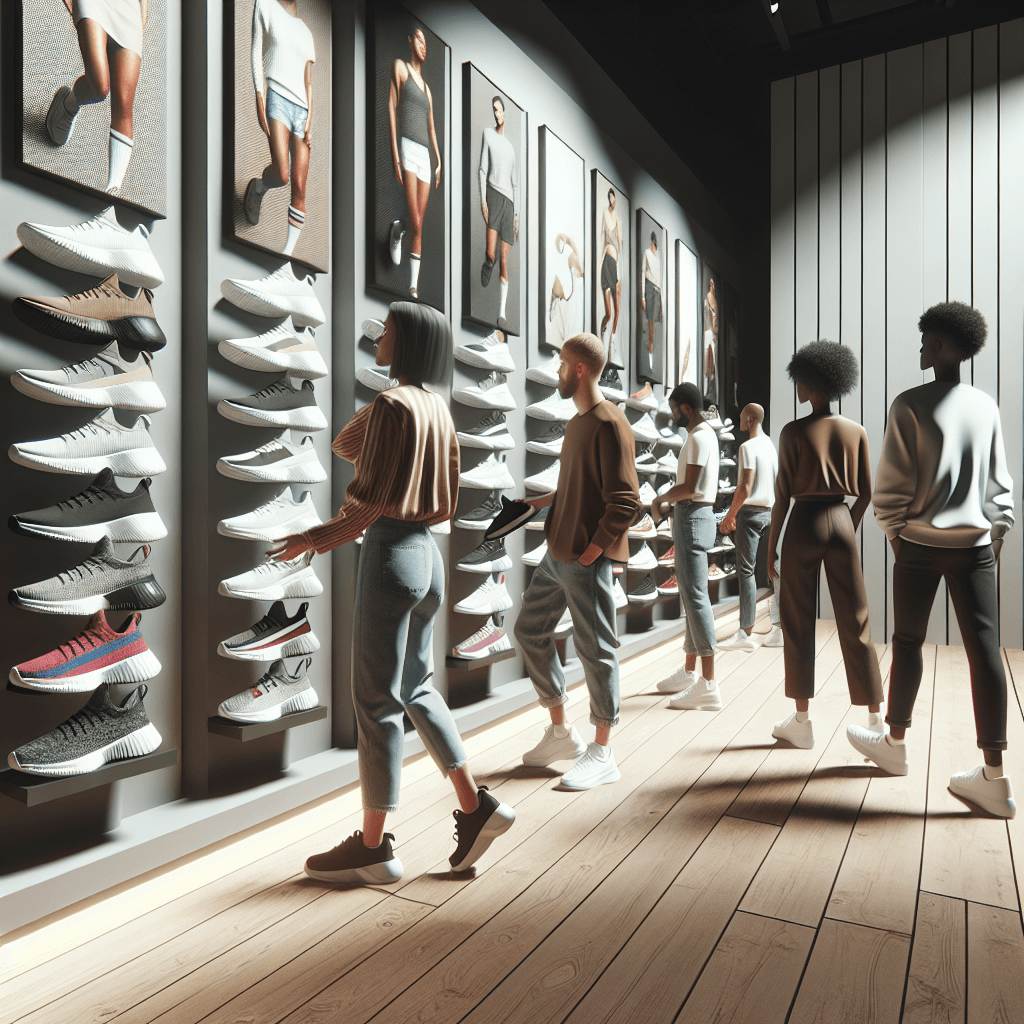
Why sneaker choice matters
In the apparel-fashion category, sneakers occupy a unique place at the intersection of style, comfort, and function. Whether you want a pair to clock miles on the road, cut quickly on the court, or anchor a clean casual look for everyday wear, the right choice starts with a clear understanding of what you need your shoes to do. The challenge is that today’s market is crowded with models that promise cushioning, energy return, stability, and trend-forward design. That abundance is great for tailoring a shoe to your lifestyle, but it can also make decisions feel overwhelming. Shopping in-store helps with hands-on try-ons, yet online browsing offers a broader range of sizes and colorways; either way, a grounded approach keeps the process simple. It helps to begin with your primary use case. Running shoes are generally engineered to move you forward with consistent impact absorption, while basketball silhouettes emphasize multi-directional traction and supportive containment for lateral motion. Training shoes aim for versatility across short runs, gym sessions, and agility work, and lifestyle sneakers skew toward materials and shapes that pair well with denim, sweats, or tailoring. From there, think about fit and feel. Everyone’s foot is different—width, arch height, and preferred underfoot sensation vary person to person—so a sneaker that works for your friend may not feel ideal to you. Consider how the toebox accommodates toe splay, how the midfoot wraps your arch, and whether the heel counter locks without rubbing. Trying on similar sizes in different brands often reveals differences in length and width. You’ll also want to plan for use: a daily trainer for commuters or retail workers may require more step-in softness, while a pair for occasional outings could prioritize materials and silhouette. The footwear selection you’ll find in stores and at footlocker.com spans these needs, giving you room to refine by activity, cushioning type, and style. With a few core considerations—intended activity, desired underfoot feel, and sizing nuances—you can narrow a sea of options to a curated short list that fits your day-to-day and looks the part.
Tech, fit, and materials
Understanding the features behind sneaker design makes comparing models more straightforward. Start with cushioning and midsole geometry. Midsoles are commonly made of foams with different densities that deliver a spectrum from pillowy softness to firmer, quicker response. Softer foams can feel plush underfoot during long hours of standing or walking, while slightly denser blends may feel more stable for quick movements. Heel-to-toe drop—the difference in height between the heel and forefoot—also affects feel; higher drops can shift more load to the heel, while lower drops can feel more level. Neither is inherently better; it’s about what feels natural for your stride and intended activity. Traction and outsole patterns deserve attention if you move on a variety of surfaces. Running outsoles often use durable rubber with flex grooves to promote a smooth stride, while court-oriented designs emphasize grip and lateral stability. For gym sessions and agility work, a flatter, wider base helps you feel connected to the floor. Next, examine fit. The toebox should let your toes move and expand slightly during activity, with roughly a thumb’s width of space ahead of the longest toe. The midfoot should hug without pinching, and the heel should feel secure with minimal lift. If you use performance socks, bring or consider them when evaluating length and width. Some brands run longer or shorter, so comparing size charts can help. Upper materials also influence comfort and style. Engineered mesh breathes well, knit uppers conform for a sock-like fit, and leather or synthetics can add structure and a polished look. For colder or wetter climates, consider water‑resistant treatments or denser weaves. Removable insoles can fine-tune step-in comfort and make maintenance easier. Finally, look at construction details that signal durability: consistent stitching, clean bonding around the midsole, and reinforced high-wear zones. If you’re browsing online and want to see options across categories, you can conveniently explore offers and filter by activity, color, size, and release date to align your short list with both performance needs and personal aesthetic.
Smart steps to buy
With the basics in mind, turn your preferences into an action plan. Start by identifying your top two priorities—for example, all‑day comfort and a clean silhouette for work, or court-ready traction and supportive containment. Build a short list of three to five models that fit those criteria across different brands and price points, and compare details side by side. If you can visit a store, try shoes on later in the day when feet may be slightly more swollen, wear the socks you’ll use most, and walk or jog a few steps to gauge heel security, arch wrap, and forefoot space. For court or gym pairs, test lateral movements to ensure the upper keeps you centered over the platform. When shopping online, study size charts, read neutral, experience-based reviews, and pay attention to notes about width and length. Rotating between two pairs, if possible, can extend lifespan and help each shoe rebound between wears. For care, knock out dust and debris after each session, air-dry away from heat, and hand-clean with mild soap and water as needed; removing insoles speeds drying and helps control odor. Plan for a short break-in—most shoes will feel their best after a few hours to a few outings. Budget realistically by balancing flagship releases with value pairs that share similar platforms or materials; older colorways can present savings without compromising performance. Seasonal releases often bring new palettes, so if your priority is styling, monitor upcoming drops and coordinate with your wardrobe to ensure versatility. If you’re deciding between two sizes, the more secure heel fit usually wins; you can fine-tune volume with lacing patterns. When you’re ready to finalize a choice or compare availability across sizes and colorways, browsing the official site helps you confirm stock, view detailed images, and align your pick with the activities you have planned. Keep your expectations practical, take a little time to test or research, and you’ll land on a pair that supports how you live, move, and dress.
Key takeaways
Choosing sneakers is easier when you organize the process around your lifestyle and comfort. Begin by defining how you plan to use the shoes—running, training, court play, or everyday wear—and narrow your search to models built for that purpose. Compare cushioning feel, outsole traction, and upper materials to find the combination that suits your stride and environment, and focus on a secure heel, comfortable midfoot wrap, and a toebox with enough room for natural movement. If you’re shopping in-store, try pairs later in the day with your regular socks and move naturally to test fit; if you’re shopping online, use size charts and reviews, and look closely at product photos to understand shape and construction details. Plan for a short break-in, rotate pairs when possible, and care for your shoes with simple cleaning and air-drying to maintain performance and appearance. With a thoughtful approach and attention to the elements that matter most to you, you can choose a sneaker that feels good, looks right, and integrates seamlessly into your routine.