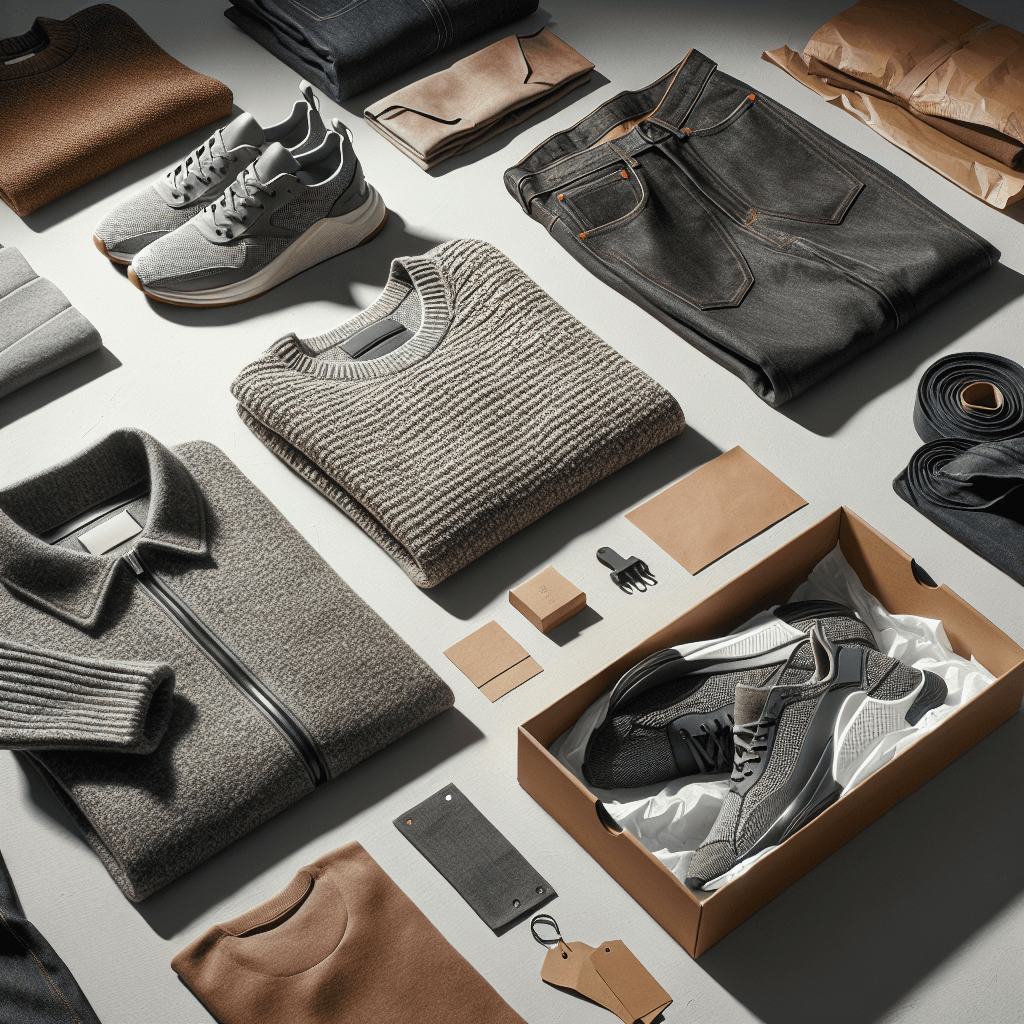
Why END. Clothing matters
In the apparel and fashion space, choice can be overwhelming. Hundreds of labels, variable sizing, and limited-release products all compete for your attention and budget. END. Clothing has become a key destination for modern menswear and sneakers by curating established designers and emerging names side by side, offering a blend of wardrobe staples and statement pieces. For shoppers, the question is rarely, “Is there something for me?” but rather, “How do I navigate this selection efficiently and buy with confidence?” This guide unpacks how to approach the site’s breadth of products, make sense of sizing and materials, and understand the purchase journey from launch calendars to returns. If you’re starting to build a refined everyday rotation, END. Clothing’s curated product pages are useful for comparing silhouettes, fabrics, and finishes across categories such as outerwear, knitwear, tailoring-inspired casualwear, and performance-minded footwear. At the same time, its focus on sought-after releases invites another set of considerations: how to engage with drop schedules, how to prepare for seasonal sales, and how to balance trend-led purchases with long-term wardrobe planning. While many retailers offer choice, the strength here is editing—giving you access to a range that spans luxury and streetwear without losing clarity. Beyond curation, the practicalities matter: clear delivery options, transparent taxes and duties at checkout for international customers, and straightforward returns all reduce friction. This is especially relevant when fits can vary between brands; a consistent way to interpret product measurements goes a long way. You’ll also see attention to fabrication details, which can indicate comfort, durability, and care requirements. When shopping online, these clues help approximate the in-store try-on experience. Whether you’re eyeing a technical shell for transitional weather, heritage denim for daily wear, or cross-category outfits that move from office to evening, treating the platform like a toolbox makes a difference. Save sizes and favorites, compare material compositions, and read descriptions carefully—these habits reduce guesswork and improve long-term satisfaction. To explore the latest curation directly, many shoppers start with endclothing.com and filter by category, size, and color to narrow the field quickly.
What to expect online
A successful visit to END. Clothing begins with understanding how the site organizes information around each product. Product pages typically highlight fabric composition, fit notes, and origin details—clues that help you predict comfort and longevity. If a tee lists a midweight cotton jersey and a regular fit, you can expect all-season versatility. If a knit specifies merino or cashmere blends, plan for gentle care but elevated softness. A technical jacket with a 2- or 3-layer membrane signals weather protection and breathability; check hydrostatic head ratings if provided for a sense of water resistance. Sizing is where many online purchases succeed or falter. Across brands, conventions differ: a UK 9 in footwear may translate to EU 43 or US 10, but shape (last width, arch support) remains brand-specific. For apparel, shoulder width and chest or pit-to-pit measurements often matter more than a generic small/medium/large tag. When in doubt, compare listed measurements to a garment you already own and like. Look for indications such as “boxy,” “slim,” or “relaxed,” and note length if you’re tall or prefer cropped silhouettes. Between two sizes, choose based on intended styling: layered looks may benefit from sizing up, while tailored finishes often look better true to size. Discovery tools are worth embracing. Filters for brand, size, price, color, and material shorten browsing time. Wishlists help you track items across seasons, while back-in-stock notifications can catch replenishments of core footwear and basics. For hyped sneakers and limited apparel drops, END’s launch format organizes upcoming releases by date, giving you a clear view of what’s next. Treat these launches as part of a broader wardrobe plan rather than spontaneous purchases: identify the silhouettes you’ll wear regularly, then set alerts accordingly. Shipping and returns policies contribute to overall value, especially when ordering across borders. Expect clear shipping tiers and estimated delivery timelines at checkout; many regions also see duties and taxes calculated upfront, reducing surprises at the door. Returns windows are typically defined and straightforward but always confirm eligibility (e.g., unworn condition and original packaging). Seasonal sales and mid-season edits can create strong opportunities on core items; use price filters and size availability to act quickly on staples like white sneakers, oxford shirts, or overshirts. If you want to check the current selection and time-sensitive promotions, navigate by category and then explore offers that align with your priorities.
Smart shopping next steps
Translate browsing into confident purchases with a few structured habits. First, anchor your wardrobe around versatile silhouettes and materials that play well across seasons. A rotation might include: a neutral technical shell for rain and wind, a midweight wool or cotton knit for layering, a crisp button-down or camp-collar shirt for smart-casual looks, straight or tapered denim, and a pair of clean leather or suede sneakers. Treat bolder items—textured overshirts, patterned knitwear, color-pop outerwear—as complements to this base. END. Clothing’s mix of heritage and contemporary labels helps you assemble both tiers. Next, create a personal sizing profile. Measure garments you love: chest width (laid flat), shoulder seam-to-seam, sleeve length, and back length for tops; waist, front rise, thigh, inseam, and leg opening for bottoms. Keep these numbers at hand while comparing product pages so you can decide quickly when a “boxy” medium equals your preferred relaxed small. For footwear, note your Brannock or reliable brand reference size and adjust based on last width and material (leather can stretch slightly; mesh typically does not). Community feedback, when available, can validate whether an item runs large or small. Budgeting and timing also matter. New-season arrivals sell fast in common sizes, while classic items often return or restock. If you’re building fundamentals, shop early in the season or set alerts; for directional pieces, consider waiting for end-of-season sales, understanding that availability may become limited. If duties and taxes are shown at checkout for your region, factor them into your decision-making to avoid surprises later. Keep packaging intact until you confirm the fit; this preserves return eligibility if needed. Care is the final leg of value. Follow wash symbols, use gentle detergents for wool or technical membranes, and air dry when possible to maintain shape and performance. A clothing brush refreshes wool between wears; cedar or paper shoe trees help footwear keep form and manage moisture. Rotate shoes to extend lifespan, and store knits folded, not hung, to prevent stretching. These small steps pay dividends across seasons. When you’re ready to refine a shortlist or check shipping timelines for your region, browse categories, apply your saved sizes, and learn more about each item’s fabric and construction notes before checking out. With a clear plan, you can engage with drops, sales, and new arrivals intentionally—cutting through noise and investing in pieces that suit your lifestyle.
Key takeaways
Shopping END. Clothing is most rewarding when you pair the store’s curated selection with a personal plan. Start by clarifying what you need—versatile layers, year-round footwear, or a standout piece—and then let product details guide you. Fabric composition, listed measurements, and fit notes are your best proxies for try-on, while filters, wishlists, and alerts streamline discovery. For limited releases, treat the launch calendar as a tool rather than an impulse trigger, and consider how each potential pickup fits your regular rotation. Think practically about logistics, too. Review shipping options and returns windows before ordering and keep original packaging until you confirm the fit. If duties and taxes are shown at checkout for your location, include them in your budgeting. Finally, commit to care: following wash instructions, rotating footwear, and storing garments properly all extend the life of your purchases. With these steps, you can navigate trends, identify quality, and build a wardrobe that serves daily needs without sacrificing individuality. The result is a more confident, efficient shopping experience that makes the most of a well-edited fashion destination.