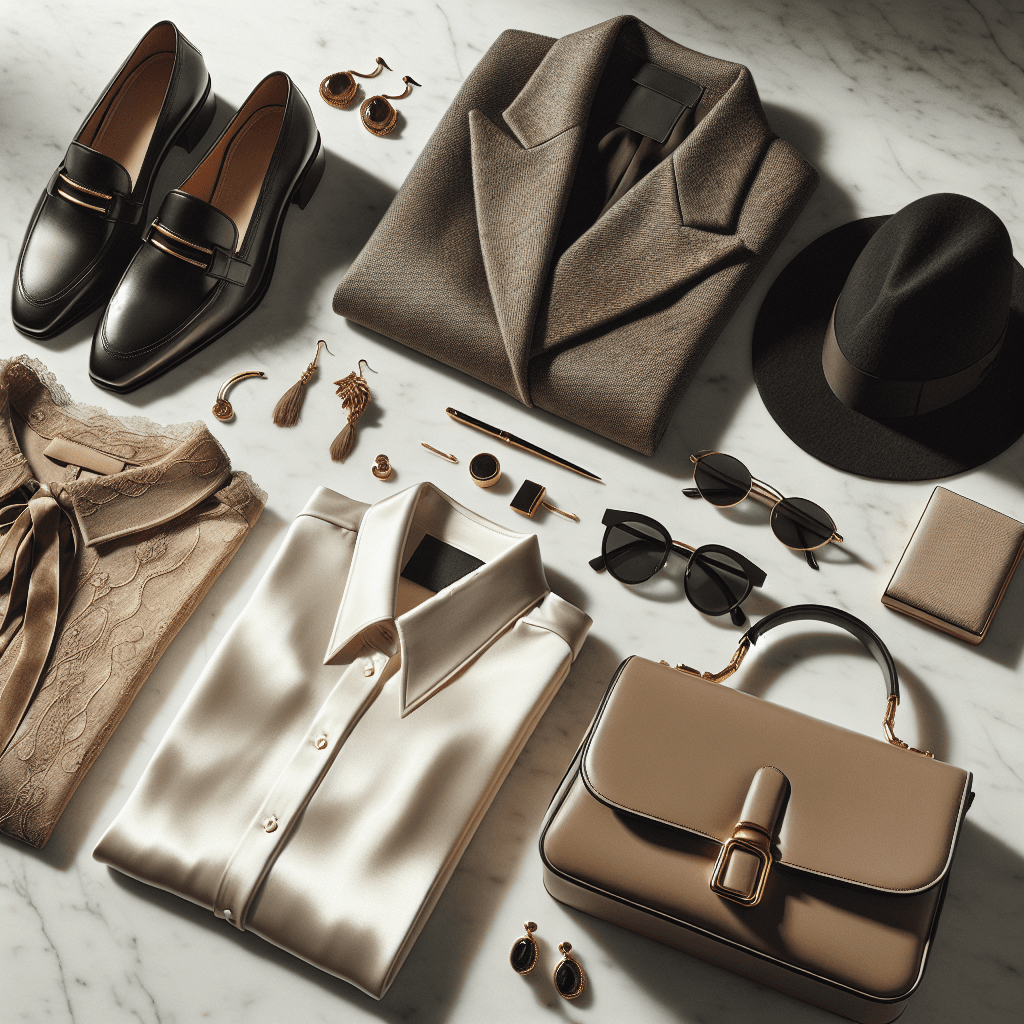
Understanding luxury fashion online
Buying designer apparel online can feel both liberating and intimidating. In the apparel and fashion category, choice expands well beyond what most local boutiques can offer, yet the absence of an in-person fitting room raises questions about size, drape, color accuracy, and overall value. This is where a clear, methodical approach makes a difference. Retailers such as matchesfashion.com bring together established houses and emerging designers across clothing, shoes, bags, and accessories, aiming to balance breadth with a distinctive editorial point of view. For shoppers, the primary needs are reliability and clarity: how to identify the right piece, how to evaluate materials and fit from afar, and how to ensure the order and return process meets expectations. At a high level, successful luxury e-commerce revolves around information. Detailed fabric composition, care guidance, size references, and multiple images (including close-ups and different angles) provide the context a fitting room ordinarily would. Clear product categorization and search filters help narrow options quickly, while styling notes—when available—offer ideas for how a garment might work within a real wardrobe. Equally important is a transparent checkout that outlines shipping options, destination-specific duties or taxes where relevant, and return procedures before you confirm payment. By approaching each product page as a mini dossier, you can assess both the aesthetic appeal and the practical realities of wear and care. Another common concern is authenticity and provenance. Reputable luxury platforms vet their brand partners and source goods directly from designers or authorized distributors, and they typically describe items using the designers’ official naming conventions. That traceability supports consumer confidence and helps with future care or resale, since model names and fabric codes can be useful references. Beyond the purchase itself, post-sale support—order tracking, accessible customer service channels, and clear instructions for returns—rounds out the experience, making the process predictable and less stressful. In short, a little structure goes a long way: define what you need, use the site’s tools to filter intelligently, read product details closely, and verify the logistics that matter most to you (delivery windows, possible duties, and return steps) before you buy. This blend of curation and clarity is what makes online luxury viable for both seasonal statements and everyday wardrobe building.
Navigating products, fit, and checkout
Transforming inspiration into a confident purchase starts with a plan. Begin by clarifying your priorities: are you looking for a foundational blazer, a pair of versatile loafers, or a seasonal statement dress for events? Define a color palette that complements your existing wardrobe and a realistic budget that accounts for potential tailoring and aftercare. With that groundwork set, browse categories methodically and apply filters for size, color, material, and designer to minimize distractions. On a curated luxury platform, you can often explore collections by aesthetics (minimal, romantic, street-influenced) or by occasion (workwear, evening, travel), which streamlines discovery without compromising on style. On the product page, consider photography as a key data source. Full-length images reveal proportion and movement, while close-ups show fabric texture, stitching precision, and hardware finish. If model measurements are provided, compare them with your own to estimate how a piece might fall on your frame. Fit notes—where available—can signal whether to choose your true size or consider sizing up or down. For footwear, pay close attention to notes about width and last shape; for denim or knitwear, composition and knit density influence stretch and recovery. Always read fabric composition and care instructions carefully: silk and fine-gauge wool demand different maintenance than cotton or technical blends, and the cost of professional care can affect overall value. Before checkout, review delivery estimates, any destination-specific taxes or duties that may apply, and the return window for your location. Luxury retailers typically display these details at checkout so you can make an informed decision. If gift options or reduced-packaging preferences are offered, select them according to your needs. When choosing payment methods, stick to secure options you trust and confirm billing and shipping addresses to avoid delays. After placing an order, track progress using the order confirmation and courier updates; this helps you plan for a timely and stress-free delivery. Two final points can refine your experience. First, use digital tools thoughtfully: wishlists and back-in-stock notifications can prevent impulse purchases and help you buy only what truly suits your wardrobe plan. Second, consider longevity: look for reinforced seams, quality linings, and durable soles or hardware that can be repaired. A well-chosen luxury piece should serve across multiple seasons, so prioritize versatility—neutral colors that mix well, silhouettes that flatter a range of outfits, and materials that age gracefully.
From shortlist to wardrobe staple
Turning a strong shortlist into garments you will reach for repeatedly requires a few disciplined steps. Start with measurements. Use a soft tape to note your bust, waist, hips, shoulder width, and inseam, plus the length of a favorite jacket or trouser that fits well. When a product page provides garment measurements, compare them to your notes. If you are between sizes, consider fabric behavior: crisp cotton poplin and structured suiting may feel restrictive if you size down, whereas a ribbed knit may comfortably accommodate a closer fit. For shoes, map any known fit quirks—high instep, narrow heel—against the footwear’s shape, and check return guidance in case a try-on proves different than expected. When your order arrives, create a controlled try-on environment. Use clean, dry surfaces, wear appropriate underlayers, and keep tags intact until you are certain about the item. Assess how the piece works with items you already own: does a new jacket layer over knitwear without pulling? Do loafers complement both denim and tailored trousers? If minor tailoring would perfect the fit, factor in local options and expected costs before you decide to keep. For delicate fabrics, review care notes and consider storage solutions—shoulders supported for blazers, breathable garment bags for knits—to protect shape and finish. Next, manage logistics proactively. Read your region’s return instructions and timeframes in advance on the retailer’s support pages; confirm whether return labels are provided and whether pick-up or drop-off options are available. When returning, follow packaging guidelines to reduce the chance of transit damage. If you plan to gift a purchase, verify recipient address details and delivery timelines, keeping customs processing times in mind for international shipments. Finally, adopt a long-term wardrobe perspective. Balance standout pieces with versatile staples so new additions earn frequent wear. Consider repairability and care access in your area—trusted cobblers, tailors, or cleaners can extend the life of leather soles, zippers, and linings. If you track cost-per-wear, review your notes every season and refine your shopping strategy accordingly. For policy specifics, customer care contacts, or the latest designer assortment, check the retailer’s official site before you buy. This simple habit ensures you are working from current information on shipping estimates, returns, and product availability, helping you make decisions that are both stylish and practical over time.
Key takeaways and next steps
A successful luxury purchase online combines clear goals with careful reading of product details and a firm handle on logistics. Define what you need, narrow options with filters, and use photography, fabric composition, and fit notes to approximate the in-person experience. Align selections with your color palette and daily routines so pieces work hard for you—across weekday tailoring, weekend denim, and evening events. Before checkout, confirm delivery windows, any destination-specific duties or taxes, and the return process for your location so there are no surprises. When your order arrives, try on thoughtfully, keep tags intact until you are certain, and evaluate pairing potential with items already in your wardrobe. Over the long term, prioritize materials and construction that can be maintained or repaired; this keeps favorites in rotation and supports a more considered approach to style. By combining curation, information, and practical habits, you can shop MatchesFashion with confidence and build a wardrobe that feels cohesive, modern, and distinctly your own.