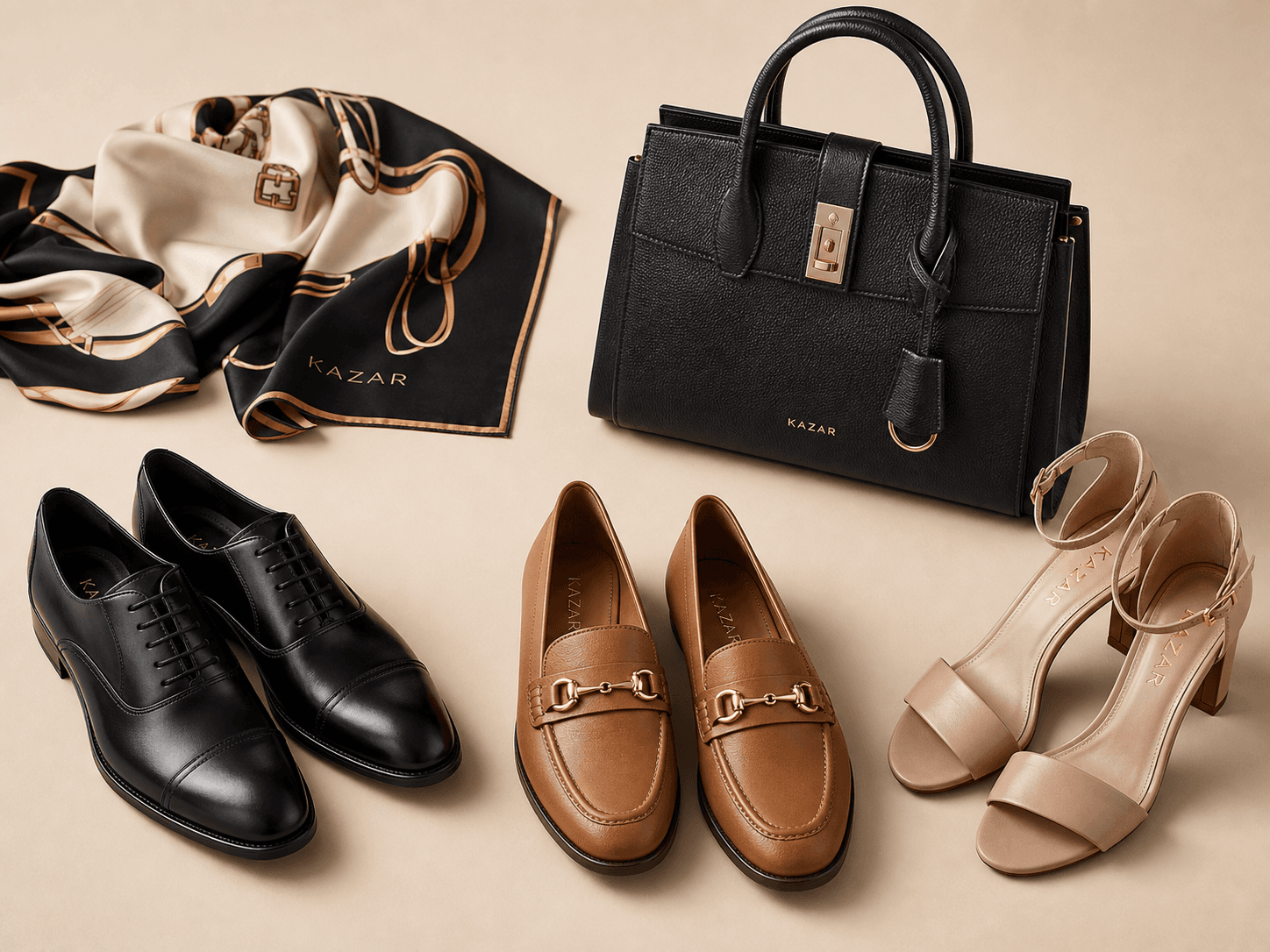
Why quality footwear matters
In the apparel and fashion category, footwear and accessories play an outsized role in how outfits look, feel, and wear over time. Shoes influence your posture and comfort during long days, belts and bags organize your essentials, and small details like hardware finishes or stitching can subtly elevate a simple ensemble. Yet with the sheer range of options available online, it can be difficult to identify what separates long-lasting wardrobe staples from pieces that only look good in photos. This guide focuses on practical ways to evaluate premium footwear and accessories—what to look for in materials, how to assess build quality, how to approach sizing, and how care routines can extend the life of your investment—using the product variety and presentation you’ll typically encounter on modern platforms such as kazar.com. If you value a streamlined closet and want each purchase to work across multiple settings, understanding a few fundamentals goes a long way. The first challenge for many shoppers is decoding product descriptions. Terms like “full‑grain,” “top‑grain,” “lined,” or “cemented” indicate different tiers of quality and intended use. A thoughtfully chosen shoe or bag can deliver both day-to-night versatility and durability—two attributes that help you shop more intentionally and avoid repeat purchases. At the same time, aesthetics remain important: sleeker lasts, balanced proportions, and considered colors tend to integrate easily with existing outfits. Another recurring question is fit. Because different brands can interpret sizes and width profiles in their own way, reading size guides, measuring at home, and understanding how specific styles break in can make the difference between items you reach for daily and those that remain unworn. Online photography has improved, but tactile qualities like leather temper, lining softness, or outsole flexibility are still best inferred from close‑up images, material notes, and customer feedback where available. Finally, maintenance is often overlooked, though it directly affects appearance and lifespan. Simple routines—rotating pairs, using trees, conditioning leather, brushing suede—can keep pieces looking polished with minimal effort. As you begin evaluating silhouettes and materials, it’s helpful to keep your lifestyle front and center: work environments, commute patterns, travel frequency, and local climate all influence which features will serve you best. With this frame in mind, browsing a curated selection at kazar.com becomes more focused, helping you distinguish staples from occasion pieces and identify which items will meaningfully round out your wardrobe.
Materials, builds, and fit
When comparing footwear, start with leather type and construction. Full‑grain leather typically shows the most natural character and develops a patina, while top‑grain is slightly more processed for a smoother, more uniform finish. Corrected‑grain leathers, often finished with pigments, can resist surface marks but may not age the same way as full‑grain. Nubuck and suede offer a soft, matte look; they are versatile for smart‑casual outfits but benefit from protective sprays and regular brushing. On construction, cemented (glued) soles often yield lighter shoes and contemporary profiles, while Blake, Blake‑Rapid, or Stitchdown methods can provide a more robust feel and, in some cases, resoling options. If you value flexibility and immediate comfort, Blake might appeal; if you prioritize structure and weather resilience, consider thicker outsoles or storm welts. For dress options, Oxfords, Derbies, and loafers cover a broad range of office and event needs. Oxfords generally suit formal outfits with their clean lines, while Derbies wear well in business‑casual and smart‑casual contexts. Loafers bridge seasons: penny loafers pair with denim and tailoring, while tassel loafers nod slightly more formal. For women’s ranges, block heels and mid‑heel pumps often balance comfort with polish, while strappy sandals excel for occasions. Sneaker lines—especially leather or suede uppers with minimal branding—fit modern hybrid workplaces and travel days. Bags and small leather goods deserve equally close attention. Consider grain tightness, lining materials, edge finishing, and hardware quality. Smooth‑running zippers, reinforced strap anchors, and clean paint edges are subtle signs of care in production. Structured totes maintain a crisp silhouette; softer hobos and crossbodies drape more casually and pack easily. Color selection matters for integration: black, brown, tan, navy, and cream complement most wardrobes, while seasonal tones can act as accents. Fit is where many shoppers hesitate. Start by measuring both feet at day’s end and consult the brand’s conversion chart for EU/US/UK sizing. If you’re between sizes, consider the shoe type: lined leather loafers and dress shoes may relax slightly, while structured, thicker‑lined boots can feel firm longer. Width can vary by last; reading product notes about toe shape and instep height helps anticipate comfort. Break‑in should feel progressive rather than painful; thin dress socks can reveal pressure points during a home trial. If you’re budget‑planning, you can explore offers around seasonal changes, but prioritize pairs that genuinely address gaps in your rotation, as those will deliver the most wear.
Smart steps before buying
A simple, repeatable process helps you make confident selections online. Begin with a wardrobe audit: note the contexts where you most often need footwear—office, smart‑casual weekends, formal events, or travel. Identify two or three silhouettes that would immediately increase outfit mileage, such as a pair of black Oxfords for formal occasions, minimal leather sneakers for hybrid days, or tan loafers for business‑casual versatility. Next, consider climate and commute. If you navigate rainy seasons or walk extensively, prioritize durable outsoles with traction, slightly higher walls, or water‑resistant finishes. In warm climates, breathable linings and lighter constructions will feel better day to day. Take precise measurements of both feet and compare them against the brand’s size chart; aim to check width guidance and last shape descriptions, then shortlist your size accordingly. When evaluating product pages, zoom in on images that reveal grain texture, edge finishing, and stitching consistency. Read material and lining details, and look for notes on insole cushioning or arch support if comfort is a key concern. For accessories, check strap drop lengths, pocket layout, and closure types to ensure they suit your routines. Planning for longevity starts before checkout. A small maintenance kit—cedar shoe trees, neutral and color‑matched creams, a horsehair brush, suede brush, and a gentle cleaner—will keep leather looking balanced without over‑polishing. Rotate pairs to allow moisture to dissipate, and store shoes with trees in breathable bags rather than sealed plastic. For bags, avoid overstuffing, and use dust covers when not in use. Responsible care also supports sustainability by extending product life, reducing the need for frequent replacements. Finally, review shipping and return windows so you can test fit at home on clean surfaces, ideally in the afternoon when feet are at their largest. Try both thin and thicker socks to understand range. If a style almost works but rubs in specific areas, assess whether a different last, half size, or width might solve it. Building a wish list helps you compare silhouettes and colors over a few days, checking how they align with outfits you already own. When you’re ready to proceed, browse the assortment on the official site with these criteria in mind so your final selection fits seamlessly into your rotation and routine.
Key takeaways and next steps
Thoughtful footwear and accessory choices begin with clarity about your routine, climate, and style goals. Focus on construction and materials that match your use cases: full‑grain or refined top‑grain for longevity and polish; Blake, Blake‑Rapid, or sturdy cemented builds depending on your preference for flexibility or structure. Keep an eye on subtle quality markers such as clean edge finishing, even stitching, and reliable hardware on bags. For fit, rely on daytime measurements, compare brand-specific charts, and consider last shapes and lining details. A test period at home helps confirm comfort without wear. Once you’ve narrowed down silhouettes in core colors—black, brown, tan, navy, or cream—plan a simple care routine using trees, gentle cleaners, and occasional conditioning. Rotate pairs to maintain shape and freshness, and store accessories properly to preserve structure and color. With these practical steps, browsing curated selections becomes more efficient and less overwhelming. Whether you’re adding a versatile loafer, a refined pump, a balanced Oxford, or a structured tote, grounding your choice in material, build, and fit will pay off in frequent, comfortable wear. As you refine preferences, keep a running list of gaps you notice in your wardrobe so future purchases continue to deliver value without duplication.