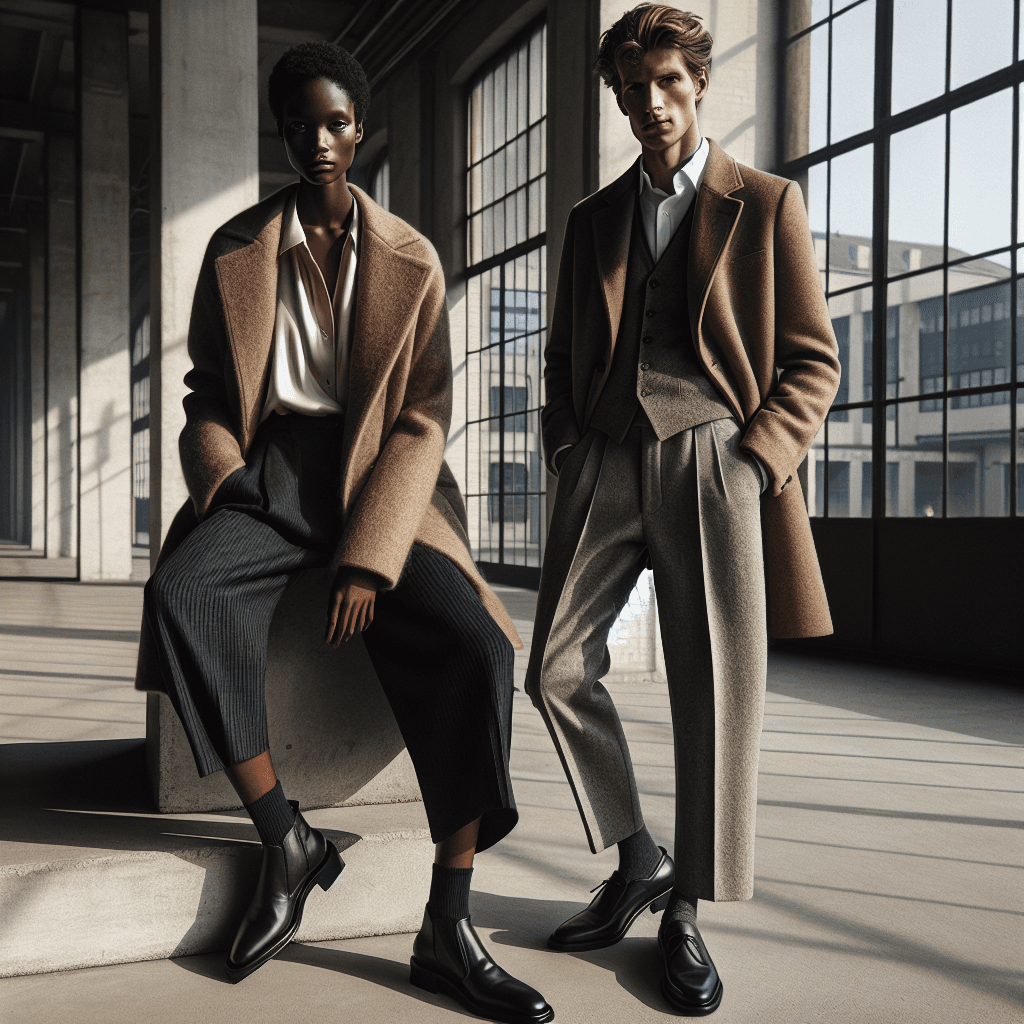
Why a smart wardrobe matters
In a category as dynamic as apparel and fashion, it’s easy to get swept up by trends and impulse buys that don’t add long-term value to your closet. Many shoppers end up with pieces that are hard to combine, require unexpected care, or don’t fit quite right, leaving outfits feeling unfinished. A smart wardrobe solves this by focusing on versatile staples, coherent color palettes, and thoughtful materials that adapt to different settings—office, weekend, dinners, and travel—without sacrificing polish. Massimo Dutti, known for refined essentials across menswear and womenswear, offers a streamlined path to this kind of dressing through timeless silhouettes, premium-feeling fabrics, and finishing details that elevate everyday looks. When structure, drape, and texture are considered together, an outfit achieves balance: sharp but relaxed, clean but expressive. It’s this balance that makes a wardrobe feel bigger than the number of garments you own. The first step is to clarify your core needs. Consider where you spend most of your time: professional environments might call for blazers, crisp shirts, and tailored trousers or skirts; creative or hybrid roles may lean on knitwear, versatile dresses, and smart denim; casual weekends benefit from soft polos, chore jackets, and minimalist sneakers. From there, prioritize fabrics suited to your climate and schedule. Lightweight wool blends and wrinkle-resistant cottons support daily commuting; linen earns its keep during warm months; and soft leathers, from boots to belts, add depth year-round. These materials should be easy to restyle across contexts—your blazer should pair with dress trousers and denim alike; your shirt should slip under a sweater or stand alone. Because Massimo Dutti emphasizes piece-by-piece refinement, building around a small capsule can be especially effective. Start with neutral foundations—navy, charcoal, black, camel, ivory—then weave in subdued accent colors to keep looks fresh without complicating combinations. Cuts that follow the natural line of the body often deliver the most mileage: not too slim, not too oversized. Subtle details—pick stitching, horn-style buttons, or a soft lapel roll—contribute tactile interest you’ll appreciate over time. Exploring these features on product pages can clarify what fits your aesthetic and lifestyle. If you’re beginning to map your capsule or want to compare materials and finishes, browsing the latest edits on massimodutti.com can help you translate wardrobe goals into a short, focused shopping list that stays relevant across seasons.
Key pieces, fabrics, and fit notes
Building a wardrobe that performs day after day depends on choosing the right building blocks. Across menswear and womenswear, Massimo Dutti’s tailored jackets, trousers, skirts, shirts, knitwear, outerwear, and leather accessories function as the pillars of a refined closet. A tailored blazer in a seasonally appropriate wool blend or a structured cotton twill is a powerful anchor: it adds instant polish to denim, chinos, or a pleated skirt, and it transitions cleanly between formal and relaxed settings. Shirts—poplin, oxford, or sateen—offer different personalities: poplin is crisp for formality, oxford carries texture for smart casual looks, and sateen introduces a soft sheen ideal for evenings. Knitwear, including merino crewnecks, fine-gauge cardigans, or cashmere-blend turtlenecks, bridges office and weekend styling while adding warmth and dimension. Outerwear is worth considered investment. A camel or charcoal wool coat remains timeless and pairs with tailoring and casual layers alike; a refined trench provides rain-ready protection without bulk; and a minimal leather jacket can ground everything from silk dresses to selvedge denim. Footwear should echo this versatility: leather loafers and ankle boots for structure, minimally detailed sneakers for ease, and strappy or block-heel options for elevated ensembles. Accessories like belts, scarves, and leather goods round out looks and add longevity, especially when you choose neutral tones and subtle hardware. Fabric composition is central to comfort and longevity. Wool and wool blends bring breathability and shape retention; cotton offers softness and wide-ranging care options; linen excels in heat due to airflow and a relaxed, natural crease; silk or silk blends deliver drape and a touch of luxury; and modern fibers like lyocell or viscose can add fluidity without weight. Blends can be practical—adding stretch for mobility or durability—so long as they remain breathable and feel pleasant against the skin. Before purchasing, scan product pages for density or weight notes: a midweight wool blazer wears longer across seasons than an ultra-light or heavy version, and a tightly woven cotton twill shirt can read sharper than a loose weave. Fit and sizing deserve a moment of attention. Massimo Dutti commonly references EU sizing; many customers find it helpful to compare body measurements to the brand’s size charts and to note fit descriptors like slim, regular, or relaxed. If you’re between sizes, consider the end use: layering under a blazer might call for a trimmer shirt, while a relaxed knit is more forgiving. Footwear often follows EU numbers; check the size guide and read any notes about width or last shape. For care, follow garment labels: wash cool where appropriate, reshape and dry flat for knits, avoid over-washing denim, use cedar for knit storage, and condition leather sparingly. To assess current availability and refined seasonal edits, you can browse collections and explore offers that align with your capsule focus.
How to shop and style strategically
Turn your goals into a plan by drafting a streamlined checklist before you buy. Start with three to five high-impact items that multiply outfit options: for example, a navy blazer, tailored trousers or a pencil skirt, a crisp white shirt, a versatile fine-gauge knit, and dark, clean-finished denim. For footwear, consider a leather loafer or ankle boot and a minimalist sneaker to cover both polished and casual days. In warm climates or seasons, trade wool-heavy layers for linen tailoring, cotton-linen chinos, and silk-blend tops or dresses, which keep structure and shape without trapping heat. Establish a core palette—navy, grey, camel, and ivory—with one or two accent hues that integrate across garments. This ensures each new piece combines with existing items in at least three ways. When you review product pages, focus on silhouette and composition first, then look closely at finishing: shoulder structure on blazers, pocket placement on trousers and skirts, button styling on shirts and dresses, and ribbing weight on knits. These details influence whether a garment reads office-ready, weeknight-elevated, or casual. If a piece almost works but needs a small tweak, plan for simple alterations: shortening sleeves, adjusting the waist, or tapering trousers can dramatically upgrade fit and comfort. For online orders, measure key reference points at home: shoulder width, chest/bust, waist, hip, sleeve, and inseam. Compare those numbers to the size chart and, where available, to any fit notes or customer feedback. When items arrive, test them with three outfits you already own to confirm versatility. Check drape in motion and natural light, evaluate whether the fabric feels good for a full day, and confirm that shoes and belts harmonize. Maintain your garments systematically: rotate knits to rest fibers, brush wool with a garment brush to remove surface lint, and steam shirts to refresh without excessive washing. Store leather items away from direct heat, use shoe trees in leather footwear, and protect delicate textures in breathable bags. As you refine your capsule across seasons, keep an eye on updated drops that offer incremental improvements—like a new wool blend with better recovery or a refined lapel line on a blazer. If sustainability influences your purchasing decisions, review product composition and any responsible-material notes on the page, then select items that balance performance with your values. For in-store visits, bring or wear a base layer similar to how you’ll style the piece, and move naturally to assess comfort and mobility. If you’re ready to narrow your list or cross-check sizes and materials across new arrivals, head to the official site and translate your plan into a cohesive set of purchases that work now and next season.
Bringing it all together
A smart wardrobe is less about buying more and more about choosing well. By prioritizing versatile silhouettes, cohesive colors, and materials that match your climate and schedule, you create a closet that feels polished without extra effort. Massimo Dutti’s focus on refined essentials—tailoring, elevated shirts, thoughtful knitwear, structured outerwear, and clean footwear—makes it easier to assemble outfits that move from office to dinner and weekend without a full change. Use size charts, fit descriptors, and product details to select comfortably, and give yourself time to test how each item mixes with what you already own. Maintenance keeps everything looking sharp: brush wool, fold knits rather than hanging, spot clean where possible, and condition leather sparingly. When an item is close but not perfect, small alterations can unlock its potential. Build slowly, one purposeful purchase at a time, and revisit your checklist as seasons shift. With this approach, you’ll cultivate a wardrobe anchored by pieces that deliver high impact day after day, reflecting an elegant, modern aesthetic that endures beyond trends.