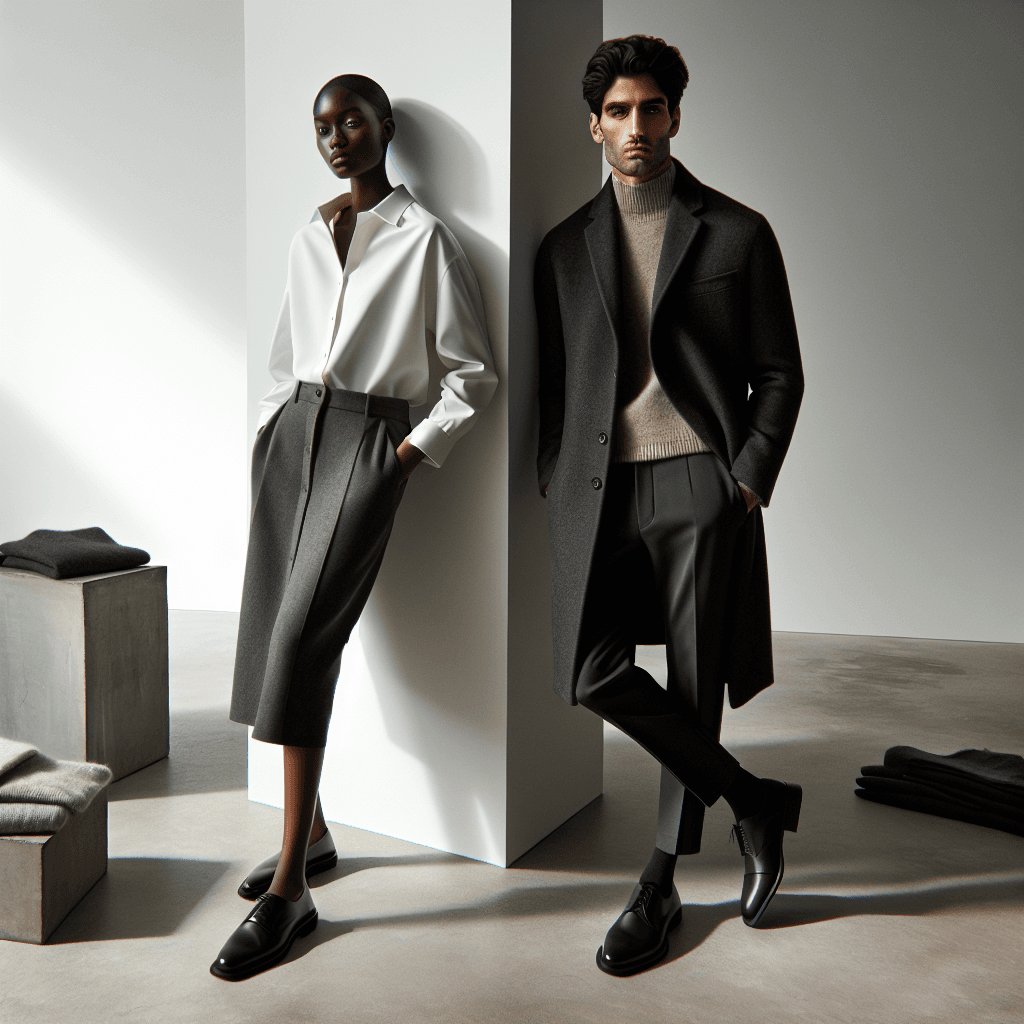
Why a modern wardrobe matters
Curating a wardrobe that feels current, adaptable, and easy to wear day after day is an ongoing challenge in the apparel-fashion space. Between trend cycles, shifting dress codes, and the realities of different climates, many people look for a consistent design language that balances form and function. That is where a brand like cos.com often resonates, with collections built around refined silhouettes, deliberate proportions, and fabric-first thinking. The goal is not to chase every runway moment, but to assemble a coherent set of building blocks that perform across office settings, social occasions, and travel without feeling repetitive. Minimalism, when done thoughtfully, can be liberating: fewer pieces can deliver more outfits, and subtle design details can carry a look from one season to the next. Yet, the concept of “minimal” can be misunderstood as “plain.” In practice, modern minimalism thrives on texture, structure, and balance—qualities you will find in sharp shirting, architectural outerwear, and well-weighted knitwear. The pieces that earn rotation are those that feel good on the body, retain their shape, and anchor bolder items when you want to experiment. The challenge is choosing wisely. Fit, fabric, and finish make the difference between a garment that becomes a daily favorite and one that remains in the closet. Understanding how a shirt’s yoke dictates shoulder line, how a trouser’s rise and taper frame footwear, or why a coat’s interlining affects drape will pay dividends. When shopping online, high-resolution images, clear measurements, and styling examples bring these details into focus. In that context, shopping directly at cos.com can help you view lookbooks, fabric descriptions, and size guidance side by side, making it easier to assess how a piece will function in your wardrobe. Ultimately, the modern wardrobe is about coherence: a palette that mixes smoothly, silhouettes that complement each other, and materials that feel right for the climate you live in. A carefully selected coat can work over tailoring or denim; a crisp poplin shirt can layer under a textured knit; and a sleek leather accessory can finish both casual and dressed-up looks. Approached this way, your closet becomes a toolkit, not a collection of one-off items—streamlining mornings while leaving room for personal expression.
How to evaluate fit and fabric
Start with fabric, because it dictates comfort, look, and longevity. Cotton poplin offers a crisp, clean line for shirts; heavier twills introduce subtle texture and can bridge smart and casual. Merino and lambswool knits tend to provide warmth without excess bulk, while cashmere blends deliver a softer handfeel for lighter layering. Linen and linen blends excel in warmer climates, offering breathability and a dry, airy drape. Technical blends—such as fabrics with added elastane or modern synthetics—can bring stretch recovery, crease resistance, and smoother travel performance. When browsing modern labels like cos.com, look closely at the composition: it often signals how the garment will wear across seasons. Fit follows function. For tailoring and outerwear, shoulder alignment is the first checkpoint; the seam should sit near the shoulder bone for a clean line unless the design intentionally drops the seam for a relaxed silhouette. Body length and sleeve pitch also matter: too long and proportions skew; too short and you limit layering. For trousers, pay attention to rise (high, mid, low) and leg shape (straight, tapered, wide). A mid- to high-rise with a gentle taper typically transitions well between sneakers and refined shoes, while a wide leg can create sculptural movement with cropped outerwear or boxy knits. Dresses and skirts benefit from checking waist placement and hem movement—A-line and column shapes each create distinct visual effects. Construction details quietly elevate a piece. French or flat-felled seams, reinforced buttons, and neat bar tacks at stress points often indicate durability. On coats and blazers, note the interfacing: softer construction drapes naturally, while more structured fronts maintain a sharper line. For knits, gauge thickness to the intended use; finer knits work under jackets, and chunkier knits act like outer layers in transitional weather. Online shopping is smoother when you use lookbooks and filters thoughtfully. Save images that show side views and close-ups of fabric. Compare product measurements to a garment you already own that fits well; this is more reliable than relying solely on generic size labels. As you explore, review capsule-friendly categories—tailored trousers, structured shirts, timeless outerwear, easy knitwear, and clean sneakers or leather shoes. If you time your purchases around seasonal refreshes and curated edits, you can discover staples that round out your closet or inject a new silhouette. You can also keep an eye on curated selections and explore offers when they appear during key retail moments to fill specific gaps rather than impulse buying.
Building outfits and planning purchases
Begin with a simple color strategy. Choose two or three core neutrals—charcoal, navy, black, stone, or off-white—then add one or two accent tones you enjoy wearing. This keeps pairing straightforward while giving room for expression. Think in silhouettes: a long coat over a lean trouser and sleek boot; a boxy knit over straight denim and clean sneakers; a structured shirt tucked into a tailored skirt with minimal heels. Balance matters: when a top is voluminous, a slimmer bottom restores proportion; a wider leg benefits from a closer-fitting top. To translate images to reality, take measurements at home. For tops, measure chest width across a favorite shirt or knit and compare with the size chart; for trousers, measure waist, thigh, and hem; for outerwear, note shoulder width and back length. Then check product photos for cues: sleeve break at the wrist, hem relative to hip or knee, and drape from shoulder to body. When in doubt, consult the size guide on the official site and favor the fit that supports the role a piece will play—tailored for work, relaxed for off-duty, or hybrid for both. Care is as important as the initial purchase. Follow washing instructions to preserve shape and handfeel. Many shirts and cotton knits benefit from gentle cycles and reshaping while damp; wool items often last longer with handwashing or responsible dry cleaning; linen thrives with air drying for its signature texture. Steam rather than iron delicate fabrics to reduce shine, and store knitwear folded to avoid stretching at the shoulders. Rotating footwear and using shoe trees helps maintain form and freshness. Plan purchases with intention. A short list is powerful: a structured overshirt for in-between weather, a breathable summer trouser, a versatile dress that layers under a blazer, or a statement knit to lift everyday looks. Revisit your list after a month—if the item still solves a real need, it is a better candidate. Consider simple tailoring when a near-perfect piece needs minor adjustments. For shoes and accessories, look for clean lines and refined hardware that play well with multiple outfits. Finally, track comfort and wear frequency; the pieces that earn repeated use often share traits—balanced proportions, comfortable fabrics, and consistent color harmony—that can guide future choices.
Key takeaways for a refined closet
A modern wardrobe is built on clarity: focus on fabrics that feel good, silhouettes that complement your frame, and a palette that mixes with ease. Brands like cos.com center design around clean lines and tactile materials, which can simplify everyday dressing while leaving room for personal style. Begin with core layers—shirts with structure, trousers that hang cleanly, and outerwear that frames outfits—then add knits and accessories to adjust for weather and occasion. Online shopping becomes more reliable when you compare product measurements to items you already wear, examine construction details in close-up images, and read care instructions before buying. Small practical habits—like measuring your best-fitting garments, checking shoulder alignment, and balancing volume across an outfit—help translate a lookbook image into something that works for your lifestyle. Over time, track which pieces you reach for most and why; this feedback loop keeps your closet grounded and coherent. Whether you are refining office attire, updating casual uniforms, or planning for travel, a thoughtful approach leads to versatile outfits and fewer unworn items. Start with one or two well-chosen additions, style them several ways, and build from there. With this method, you will gradually assemble a collection that feels modern, adaptable, and easy to wear across seasons.