Navigating trend-led fashion
Fast-moving trends can be exciting, but they can also make wardrobe decisions feel overwhelming. In the apparel and fashion category, shoppers often balance the desire for fresh, expressive outfits with practical questions about fit, fabric, and value. PrettyLittleThing is known for quick-turn collections that echo what you’re seeing on social media and in street style, which makes it a useful destination when you want to refresh your look for a new season or a specific event. Whether you’re planning a brunch-ready co-ord, a polished work-to-dinner blazer dress, or off-duty denim with a sleek bodysuit, the brand’s wide assortment makes it easier to experiment without overcommitting to a single aesthetic. If you’re browsing new arrivals on prettylittlething.com, you’ll notice capsule-friendly staples sitting alongside bolder statement pieces. That mix matters: the most functional wardrobes are built around versatile foundations that can be dressed up or down, then accented with seasonal trends that reflect your current mood. This approach helps you avoid the trap of single-wear items while still embracing what feels current. Online fashion shopping also comes with familiar questions. How does the fabric feel? Will a mini dress run shorter than expected? Is a blazer lined or unlined, and how does that influence drape? Thinking in terms of materials and construction—like the presence of elastane for stretch or a woven suiting fabric for structure—can guide your choices before you click “add to cart.” Another practical strategy is to start with your calendar. Consider upcoming occasions across the next eight to twelve weeks, list typical temperatures or indoor dress codes you’ll face, and identify a few silhouettes that can handle more than one scenario: a midi dress that works with a trench and ankle boots now and with sandals later; wide-leg jeans that pair with sneakers on travel days and slingback heels in the evening. With that framework in mind, the breadth of PrettyLittleThing’s range becomes less daunting. You’re not chasing every trend—you’re filtering the assortment through your lifestyle, color palette, and fit preferences. The result is a closet that feels current while staying coherent, where newness adds options instead of clutter.
Key pieces and smart choices
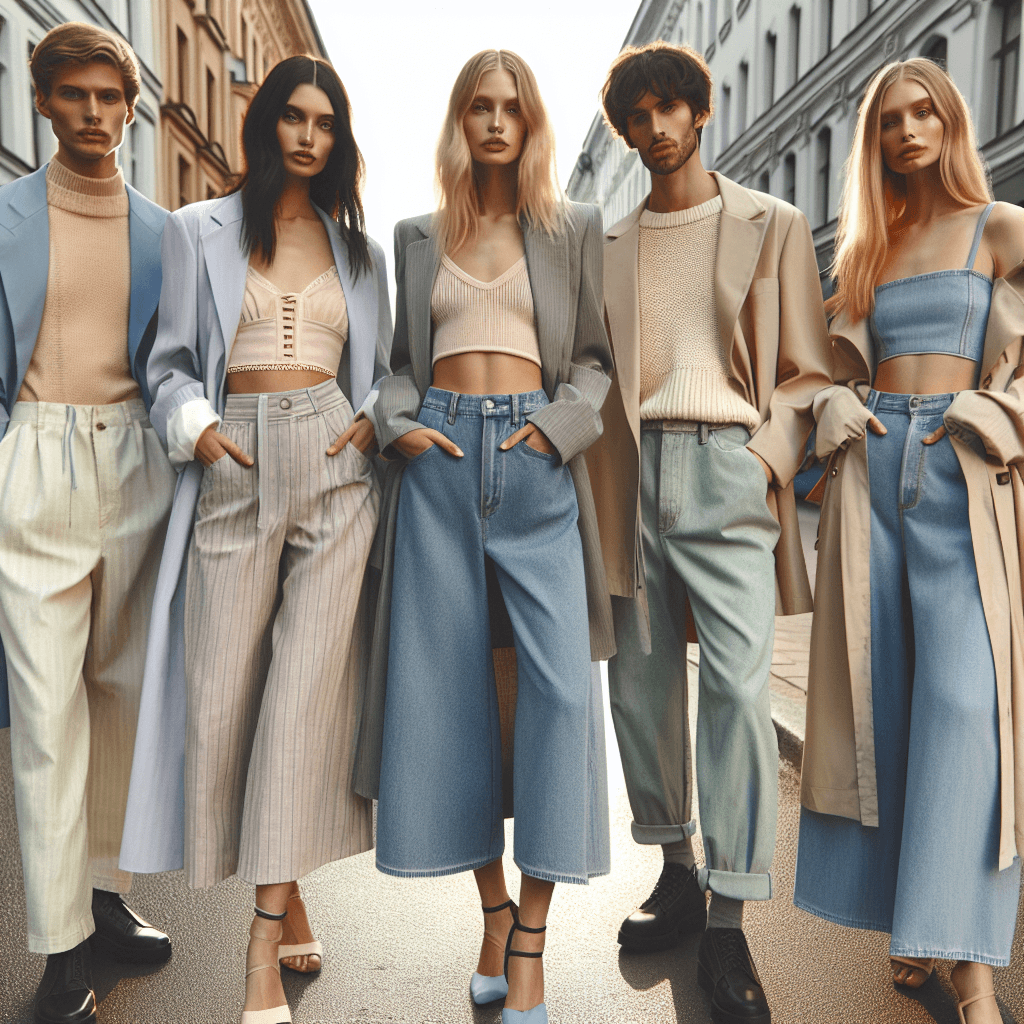
Translating trends into wearable outfits starts with understanding silhouettes and materials. Dresses are an easy entry point: slip styles skim the body and layer well under blazers; bodycon cuts highlight curves and often include stretch for comfort; blazer dresses create a tailored look that can shift from day to night with a shoe change. If a mini feels too short, look for mid-thigh measurements in the product details or consider a longer jacket layered over it for added balance. Co-ords are equally pragmatic. A ribbed knit set or a structured two-piece lets you mix and match with existing staples, multiplying outfits without adding clutter. You might pair the skirt from a set with an oversized tee on casual days, then reunite it with the matching top for evenings. Denim is the utility player: wide-leg and straight-leg fits read modern and tend to flatter many proportions, while a hint of elastane can make rigid-looking jeans more forgiving. Pay attention to rise and inseam measurements; small tweaks here often make the difference between a good fit and a great one. Knitwear and basics—think fitted rib tops, long-sleeve bodysuits, and fine-gauge cardigans—earn their keep because they layer smoothly and transition across seasons. In outerwear, a light trench sharpens silhouettes without adding bulk, and a faux leather jacket can punctuate softer pieces with structure. For footwear and accessories, consider function first: block-heel sandals or platform mules lengthen the leg while maintaining stability; trainers complement relaxed tailoring; ankle boots anchor midi hems. Bags with a structured shape add polish to floaty fabrics, while minimal jewelry keeps a look clean when your clothing includes bold prints or saturated hues. On product pages, check the composition breakdown for a quick fabric read—polyester blends are common and easy-care; viscose drapes fluidly; cotton breathes well. Care labels matter too: hand-washable pieces can last longer with gentle treatment. If you prefer to plan purchases around seasonal updates or edits, you can explore offers and trend collections to spot recurring colors and key shapes, then choose the versions that integrate with what you own. If sustainability is a consideration, look for product descriptions that note recycled or responsibly sourced fibers where available, and make care choices—like air-drying knits—that extend a garment’s life. Finally, mind the logistics: consult the size guide, review shipping windows in relation to any event dates, and familiarize yourself with the return policy on the retailer’s website so you can plan fittings at home without stress.
How to build outfits
Turn browsing into a focused plan by starting with a palette and a purpose. Choose two neutrals and one to two accent colors that complement your skin tone and the shoes and bags you already own. From there, assemble foundations: one tailored layer (a blazer or trench), two versatile bottoms (e.g., wide-leg denim and a streamlined trouser), two to three mixable tops (a fitted rib knit, a button-up, and a bodysuit), and one event-ready dress. This set creates dozens of combinations while leaving room for a standout piece—perhaps a co-ord in a seasonal print or a textural mini skirt. When shopping PrettyLittleThing, build each look around one focal point. If the dress is the statement, keep accessories minimal and let shoes do quiet work to finalize the tone; if the silhouette is clean, introduce interest with texture—faux leather, satin, or a soft boucle. Fit testing at home is essential: try each piece with the jackets, shoes, and bags you plan to wear, then do a quick movement check—sit, walk, and reach overhead to confirm comfort and coverage. Good natural light helps you judge color and fabric sheen; a mirror photo can reveal proportion better than a glance. If you’re between sizes, consider how the fabric behaves: woven, non-stretch suiting might benefit from a more relaxed choice, while a rib knit often accommodates a closer fit. Take body measurements (bust, waist, hips, and inseam) and compare them to the size chart on the brand’s product pages; if you need specifics, head to the official site to review details for each item. To keep purchases intentional, use a shortlist method: save items to a wishlist, step away for a day, then revisit with your event dates and existing wardrobe in mind. Prioritize pieces that unlock three or more outfits. Plan maintenance as part of styling—steam rather than iron delicate fabrics, store knits folded, and keep a lint brush handy for dark tailoring. If an item nearly works, remember small fixes can help: a low-profile belt can refine waistlines, fashion tape can secure tricky necklines, and a simple insole can improve shoe comfort. Over time, this consistent, methodical approach results in a wardrobe that feels fresh each season without constant overhauls. You’ll know which PrettyLittleThing cuts and fabrics suit you, and each new piece will earn its place by pairing seamlessly with what you already love to wear.
Final takeaways
A trend-forward wardrobe is easiest to maintain when you treat newness as an accent to a thoughtful core. PrettyLittleThing’s breadth helps you find both foundations and statements, from versatile denim and knit basics to occasion-ready dresses and tailored layers. Start with your calendar and color palette, choose silhouettes that suit your routine, and evaluate materials and care to get more from every piece. At home, test outfits in daylight with the shoes and bags you’ll actually wear, and listen to fit feedback from movement—comfort supports confidence. If you prefer a lighter environmental footprint, look for product pages that note recycled or responsible materials when available and lean into care habits that extend garment life. Above all, keep your shortlist aligned with clear use cases and the ability to create multiple outfits. With that approach, you can navigate seasonal updates efficiently and build a closet that feels current, polished, and true to your style without unnecessary guesswork.