Why Ralph Lauren matters
Ralph Lauren occupies a distinctive place in the apparel-fashion category, bringing together American heritage, sport-inspired ease, and polished tailoring across a wide range of pieces and price points. From iconic polo shirts and Oxford cloth button-downs to tailored blazers, eveningwear, outerwear, and accessories, the brand’s breadth helps shoppers build wardrobes that move smoothly between casual and refined settings. Yet that variety can pose a challenge: which line suits your needs, what fabrics are worth the investment, and how do you decode fits so garments look and feel right? This guide aims to make those decisions clearer so you can shop with purpose and confidence. When you understand the differences among collections, the nuances of fabric construction, and key fit markers, you can choose pieces that support your personal style and daily routine—whether you are assembling office-ready separates, refining a weekend uniform, or packing a light travel capsule. A good starting point is to recognize that Ralph Lauren spans multiple labels and intentions. Polo Ralph Lauren often centers on classic American sportswear with a preppy tilt, RLX focuses on performance-minded pieces, and more elevated lines emphasize craftsmanship and tailoring. Across these, you will find recurring silhouettes that define the brand’s language: cable-knit sweaters, rugby shirts, trench coats, tuxedos, and equestrian motifs. Core items get refreshed season after season in updated colors and fabrics, while standout runway or limited designs add visual interest. This balance allows you to invest in essentials without sacrificing novelty. Navigating such scope is easier when you clarify your objectives. Are you looking to replace a worn-out polo with a better-fitting one for daily wear? Do you want a blazer that pairs with jeans as well as dress trousers? Are you seeking a weather-ready coat that transitions between business travel and weekend plans? By linking purchases to concrete use cases, you avoid impulse buys and allocate budget strategically. If you prefer to browse the latest range before narrowing down choices, it can help to scan seasonal lookbooks and new arrivals; by visiting ralphlauren.com you can get an at-a-glance sense of color stories, fabrics, and silhouettes featured now. From there, you can compare options within your target category—say, short-sleeve knits versus piqué polos—or assess which shirt fit works best for your frame. With a clear plan, the brand’s breadth becomes a strength rather than a hurdle.
What to check before buying
Fit is the single most important factor. In shirts, you will commonly encounter Classic, Custom Slim, and Slim fits. Classic offers more room in the chest and waist for ease and layering; Custom Slim narrows the torso slightly while keeping balanced proportions; Slim trims both chest and waist for a closer profile. If you prefer tucking shirts, ensure the body length accommodates movement without pulling free. In polos, sleeve opening and shoulder seam placement affect not only comfort but also appearance—ideally, the seam should sit at the shoulder edge, and the sleeve should skim, not squeeze, the upper arm. In tailoring, understand key measurements. A blazer should sit cleanly across the shoulders, with the collar resting flat at the back of the neck and minimal wrinkling through the upper back. The button stance and length influence how modern or traditional it appears; a slightly nipped waist can add shape without restricting movement. Trousers should align with your preferred rise and hem style—classic with a light break, or cropped and tapered for a sharper line. When considering suiting, review product details for fabric weight and composition; lighter tropical wool works year-round in many climates, while flannels and tweeds excel in cooler months. Fabric selection defines performance and longevity. Oxford cloth is durable and softens with wear, great for year-round shirts. Piqué cotton lends polos breathable structure. Cashmere offers warmth and refinement in knitwear; fine merino balances softness and resilience; cotton cable knits deliver texture with easy care. Linen and linen blends excel in heat, while waxed cotton and technical shells enhance weather resistance. Look for full product descriptions and care instructions so you can match material to use case and upkeep preferences. If you are browsing across categories or weighing seasonal timing, you can also explore offers and new arrivals to see colorways and fabric stories introduced for the current season. Value depends on wear frequency, versatility, and care. A navy blazer, white Oxford, and mid-grey trousers can be combined in many ways and worn across settings. Polos and chinos form the backbone of casual-to-smart casual wardrobes, while a field jacket or trench adds function without sacrificing polish. For footwear and leather goods, consider color coordination—brown leather pairs smoothly with navy, olive, and cream; black feels crisp with greys and charcoals. Before checking out at ralphlauren.com, confirm size charts and international conversions, read customer reviews for notes on shrinkage or stretch, and verify return windows to ensure easy exchanges if the fit is off.
How to build your look
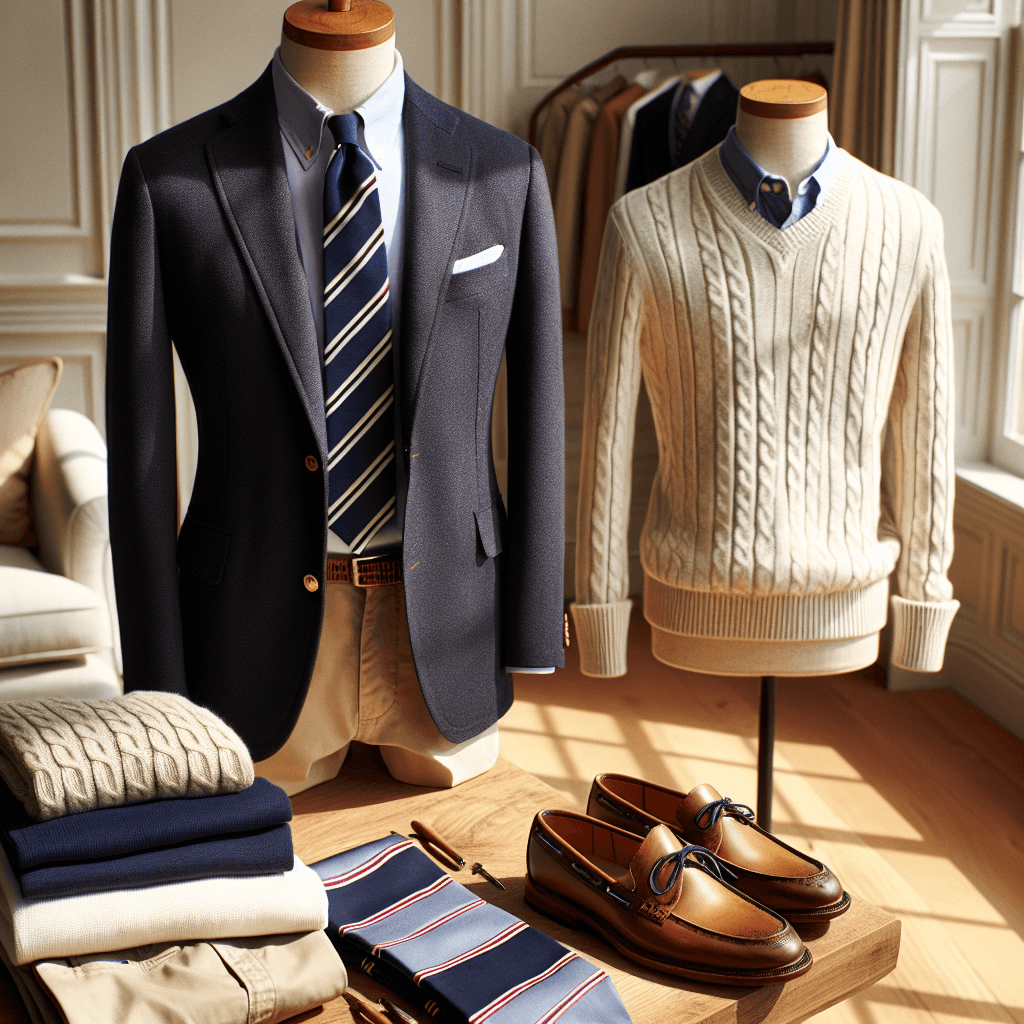
Start with a focused capsule that mirrors your lifestyle. If you balance office time with casual evenings, prioritize a tailored blazer, two Oxford shirts (white and light blue), a mid-gauge navy sweater, dark denim or chinos, and a pair of versatile leather shoes. Layer in two or three polos for warm-weather rotation, then add a seasonal outer layer—a wool coat in winter or a lightweight technical jacket in spring. Once these foundations are set, introduce personality through color, texture, and pattern: a striped rugby for weekends, a cable-knit in cream for contrast, or a silk tie in a muted stripe to dress up the blazer. Seasonality should guide fabric choices. In hot climates, breathable staples—linen shirts, linen-cotton trousers, and unstructured blazers—keep you polished without overheating. As temperatures drop, pivot to merino or cashmere knits, brushed cotton twills, and sturdy outerwear such as a quilted jacket or wool topcoat. Mixing textures elevates simple outfits: pair a smooth worsted trouser with a ribbed knit; offset a rugged field jacket with a refined poplin shirt. Pay attention to color palettes that harmonize across seasons—navy, grey, olive, cream, and burgundy tend to integrate seamlessly. Care is a long-term investment. Washing polos and knits inside out on gentle cycles, air-drying when possible, and using cedar blocks to deter moths will extend fabric life. Suiting benefits from judicious dry cleaning and regular steaming; rotating shoes with cedar trees helps maintain shape. When considering sustainable choices, check product pages for details on fabric sourcing and care certifications, and prioritize timeless pieces you will wear often. As you compare product specifics, the detailed descriptions and fit notes on the brand’s product pages at the official site can help you match garments to your preferences. Timing your purchase can also add value. Core icons like polos, Oxford shirts, and certain sweaters often reappear, so you can plan around your wardrobe gaps rather than chasing every novelty. When browsing ralphlauren.com, use filters by size, fit, material, and color to refine quickly. If you are between sizes, consider ordering two adjacent sizes and returning the one that does not meet your expectations, provided the return policy allows it. Keep measurements on hand—chest, shoulder width, sleeve length, waist, and inseam—to compare against size charts and garment specs. With a steady approach, you will curate a closet that looks cohesive, fits well, and adapts across occasions.
Key takeaways
Ralph Lauren’s strength lies in its combination of timeless silhouettes, versatile fabrics, and a range of fits that can suit many body types and style preferences. To make the most of that breadth, begin with clear goals: decide what you need, where you will wear it, and how it should fit. Use fit labels and size charts to guide selection, and match fabrics to climate and care preferences so items remain comfortable and presentable over time. Building a small foundation—blazer, Oxford shirts, chinos or trousers, knitwear, and dependable outerwear—creates a flexible base you can expand with seasonal or statement pieces. Attention to care extends garment life and preserves appearance, while thoughtful color palettes ensure simple combinations always look intentional. When in doubt, rely on detailed product descriptions, customer feedback, and return policies to manage uncertainty. With a measured, informed approach, you will assemble a wardrobe that reflects Ralph Lauren’s modern-classic spirit and performs reliably from workdays to weekends.