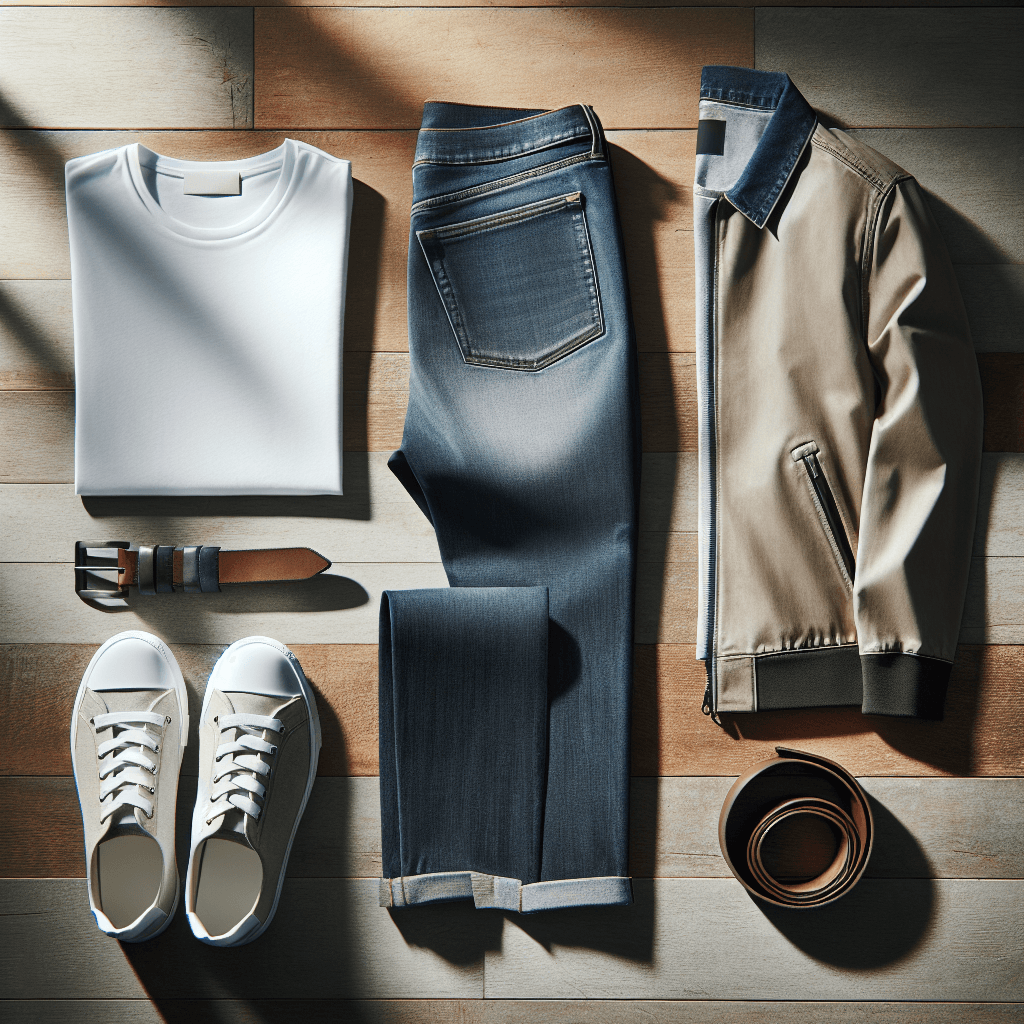
Why denim details matter
In the apparel and fashion space, few purchases work as hard as a well-chosen pair of jeans. Denim anchors daily outfits, blends function with personal style, and needs to perform across a range of settings—from office-casual to weekends and travel. Yet buying jeans can be surprisingly complex. Even when you know your waist and inseam, the relationship between rise, leg shape, fabric weight, and stretch can dramatically change how a pair wears from morning to night. That is why shoppers are increasingly looking for reliable standards and clear fit guidance when they evaluate a brand’s lineup. Levi’s, presented online at levi.com, is a natural starting point because it offers a broad, stable range of fits alongside fabric options that cover everything from rigid, heritage-inspired denim to comfortable, everyday stretch blends. The value of this depth is that it makes it easier to lock in a consistent silhouette once you learn the naming and cut logic. A classic straight leg behaves differently from a slim taper, for example, and understanding that distinction helps you predict how the leg opening will sit on sneakers, boots, or loafers. Rise also plays a major role in comfort and proportion; a mid or high rise can balance the torso and create cleaner lines under tucked or semi-tucked tops. Fabric is the invisible foundation of fit. Heavier, rigid denim tends to drape cleanly and hold shape; lighter weights or blends with elastane and TENCEL Lyocell can provide ease of movement and a softer hand. Finish matters as well: a dark, minimally processed rinse reads more polished and versatile, while vintage-inspired fades and whiskering create relaxed character. These finishing choices influence how easily jeans transition between settings—and how they age with wear and care. Paying attention to stitching, pocket placement, and hardware rounds out the picture, since small construction cues can affect both durability and the perceived silhouette. Because many people shop online, precise measuring and careful review of product details help remove guesswork. Waist and inseam are only part of the equation; leg shape, rise height, and stretch percentage can change the lived-in feel. The good news is that a consistent size in one silhouette may transfer predictably across closely related models, so once you find a formula that works, you can expand your denim rotation with confidence. That is the practical promise of a structured lineup: better predictability, fewer returns, and a smoother path to everyday outfits you actually wear.
Find your perfect fit
Translating fit names into expectations begins with leg shape and rise. A straight leg provides room from thigh to hem and usually pairs well with most footwear. A slim cut narrows the profile without clinging; a skinny cut closely follows the leg. A taper narrows the leg opening more than the thigh, which can modernize proportions and keep extra fabric away from the ankles. Rise height—low, mid, or high—affects comfort at the waist and how shirts sit when tucked or layered. For many, a mid rise balances mobility and coverage, while a high rise offers a clean line under structured tops and blazers. Fabric composition is the next variable. Rigid, 100% cotton denim molds to you over time and often retains a sharp silhouette. Stretch denim, with small percentages of elastane or other fibers, can deliver immediate comfort and reduce break-in, particularly useful for commuting or travel. Midweight fabrics (around the middle of the typical ounce range) are versatile year-round; heavier weights feel substantial and can develop pronounced fades with wear, while lighter weights breathe better in warm climates. If a product page lists a stretch percentage, expect more give as that number increases; however, construction, weave, and finishing also influence the final feel. Popular silhouettes at levi.com include straight and slim-straight options for versatile daily wear, slim and slim-taper for a contemporary profile, and relaxed cuts for ease and drape. For rigid enthusiasts, heritage-inspired models can be rewarding projects: they start crisp and soften to your shape over time. Those who prefer immediate flexibility can look to styles featuring comfort stretch or performance blends for movement without sacrificing structure. Wash selection acts like a final dial—dark rinses read refined, medium washes feel casual, and sun-faded finishes lean vintage. Before you add to cart, measure a favorite pair you already own. Lay the jeans flat, measure the waist across and double it, then note the inseam, thigh at the crotch, knee, and leg opening. Cross-reference these with the garment measurements, when available, for a closer prediction than relying on general size charts alone. Consider footwear: a boot-friendly leg opening differs from one tailored for sneakers. If you are comparing pricing, seasonal drops, or limited releases, product pages and promotional hubs can be helpful places to explore offers and find balances between timeless staples and new washes. Care also influences long-term satisfaction. Washing less frequently preserves color and structure; when you do wash, turn jeans inside out, use cold water, mild detergent, and low heat or line dry. These simple steps slow fading and extend fabric life, making sizing choices hold up better over time and keeping silhouettes true.
Shop smarter and care better
Turning knowledge into action starts with planning. Decide your primary use case—daily office-casual, weekend wear, travel, or a dressier smart-casual rotation—and let that guide fit, fabric weight, and wash. Build a small matrix: one dark, minimally processed pair for versatility; one medium or vintage wash for relaxed looks; and, if you prefer variety, a tapered silhouette for modern proportions alongside a straight cut for timeless balance. This approach prevents overlap and creates clear roles for each pair in your wardrobe. When shopping online, review size charts and any garment-specific measurements, then read reviews that reference body dimensions, stretch, and break-in. Product photos on models with listed heights can help visualize rise and leg opening. If a style is offered in multiple inseams, choose the one that minimizes hemming while considering your typical shoe choices. For rigid denim, expect a brief adjustment period; for stretch blends, account for a small amount of ease during wear. If you are between sizes, consider your preferred drape: roomier for classic straight lines or closer for a trim, tailored impression. Budget and timing also matter. Many brands run limited-time promotions or end-of-season markdowns, and signing up for emails can surface new releases and value options without needing to check daily. When you want to verify availability, shipping estimates, or store pickup, consult the brand’s help and policy pages on the official site. If you are near a store, trying on a couple of adjacent sizes or rises can refine your choice, even if you eventually purchase online. Keep packaging until you commit, so returns are straightforward if needed according to the current policy. Care is the second half of a smart purchase. Wash inside out on cold with gentle detergent, avoid bleach, and prefer air-drying or low heat to maintain fabric integrity and reduce shrinkage risk. Spot clean between washes when practical. For raw or rigid denim, a gentle break-in—with minimal early washing—helps it mold to you; if you do soak or wash early, do so carefully to preserve shape and color. Small repairs, like reinforcing a belt loop or patching a pocket bag, can extend the life of your jeans and delay replacement. Storing jeans folded or hung from the waistband helps preserve creases and keeps hems tidy. Over time, a rotation of two or three pairs spreads wear and lets each rest between uses, which can be especially helpful for stretch recovery and for keeping darker rinses looking sharp. Finally, if you are experimenting with new silhouettes, start with a wash you already know works well with your shoes and jackets; keeping one variable steady makes it easier to evaluate fit.
Key takeaways
Choosing jeans with confidence comes down to understanding the interaction of fit, rise, and fabric, then matching those elements to how you actually dress. Straight and tapered cuts suit different footwear and proportions; rise height controls comfort and line; and fabric weight and stretch determine how a pair feels through a full day. Wash selection acts as a style dial, with darker rinses offering broad versatility and lighter finishes leaning casual. Measuring a favorite pair you already own is often the most reliable way to translate size charts into real-world results. Reading product details and reviews, noting stretch percentages, and checking garment-specific measurements all reduce guesswork for online orders. Once your jeans arrive, thoughtful care—washing inside out on cold, minimizing heat, and making small repairs—extends life and preserves both color and structure. With these practices, you can build a focused rotation that covers workdays, weekends, and travel without redundancy. As you explore the range at levi.com, let your intended use lead the way, keep one variable steady when trying new silhouettes, and refine from there. The result is a dependable denim lineup that fits your routine, adapts to the seasons, and earns its place in everyday wear.