Why smart footwear choices matter
In apparel and fashion, the right footwear does more than finish an outfit—it determines how confidently and comfortably you move through each day. Whether you are refreshing work staples, finding weekend sneakers, or searching for durable boots, choosing well can help you enjoy every step, protect your wardrobe budget, and reduce waste from short-lived purchases. Yet shopping online can be daunting: size systems vary by brand, materials behave differently over time, and two shoes that look similar may feel completely different on foot. That is where a structured approach to selection—and a reliable retailer—can make the difference. This guide is designed to help you evaluate shoes before you buy, with practical criteria you can apply across styles and seasons. We will look at fit fundamentals, materials, construction, comfort cues, and style versatility so you can build a rotation that works for the office, travel, and everything in between. If you are browsing widely across brands and silhouettes, a focused marketplace like legendfootwear.co.uk can simplify the process by bringing size guides, filters, and customer feedback together in one place, helping you compare options without hopping between multiple sites. Start with fit, because no material or design can offset a mismatch in shape. Consider the last—the three-dimensional mold that defines the interior of the shoe—as your best clue to compatibility. A sleek, tapered last often looks refined but can feel snug up front; a rounder last can offer toe room for daily wear. Check the toe box height if you prefer a natural toe splay, and note heel shape and padding to reduce unwanted movement. Next, look for comfort features that suit your routine: structured heel counters help with stability, while well-placed foam or leather-lined insoles can cushion long days. For outsoles, think about both grip and ground feel, balancing traction with flexibility depending on your surfaces—city pavement, office floors, or light trails. Finally, make sure the style aligns with your wardrobe. Versatile neutrals in leather or suede can dress up or down, while performance textiles and bolder palettes shine on casual days. When you balance these variables—fit, function, and form—you build a footwear rotation that works hard without feeling repetitive. The sections that follow translate this framework into specific choices about materials, construction, and sizing, and they outline how to shop efficiently online while minimizing returns and second-guessing.
Materials, construction, and sizing essentials
Materials are the foundation of how shoes look, feel, and age. Full-grain leather is known for durability and a refined finish that develops character with wear; it generally softens over time while maintaining structure. Suede offers a relaxed texture that pairs well with casual tailoring but benefits from regular brushing and protective spray to manage light moisture. Engineered textiles—mesh, knit, and technical weaves—prioritize breathability and low weight, making them strong choices for warm weather and active days. High-quality synthetic or plant-based alternatives can also deliver a polished appearance with straightforward care; just be sure to read the care notes so you understand cleaning products and drying guidance. Outsole and midsole combinations shape underfoot feel. Rubber is versatile and grippy across seasons, with patterns that channel water for traction. EVA and similar foams reduce weight and add cushioning, while TPU and other compounds can increase stability or durability in high-wear zones. If you prefer a connected sensation to the ground, seek flexible forefoot designs; if you value daylong comfort on hard surfaces, a slightly thicker midsole may serve you better. Stitching methods matter too: cemented construction keeps weight and break-in lower on many sneakers and contemporary dress styles, while stitched or welted builds tend to emphasize longevity and structured support in boots and some smart shoes. Sizing is where online shopping often succeeds or stumbles. Begin with a fresh measurement of both feet in the afternoon, when they are typically at their largest. Use a sheet of paper, mark heel-to-toe length while standing, and note width at the widest point. Compare against each brand’s chart rather than relying on conversions alone, because UK, EU, and US scales can differ subtly by maker. When available, review fit notes that indicate whether a model runs long, short, narrow, or wide. Think about socks, too: a thick winter sock may require half a size more space than a thin dress sock. If the retailer provides insole length or last shape details, use them; these are often better predictors of comfort than a number on the box. As you shortlist options, lean on tools that streamline comparisons. Retailers such as legendfootwear.co.uk typically group similar styles and provide filters for size, width, material, and color. Reading recent customer reviews helps reveal patterns around fit and break-in. During seasonal events, new releases and classic staples sometimes appear side by side, making it easier to balance trend and timelessness—browse with intent and, when it fits your plan, explore offers that align with what you truly need rather than impulse buys.
From shortlist to long-term satisfaction
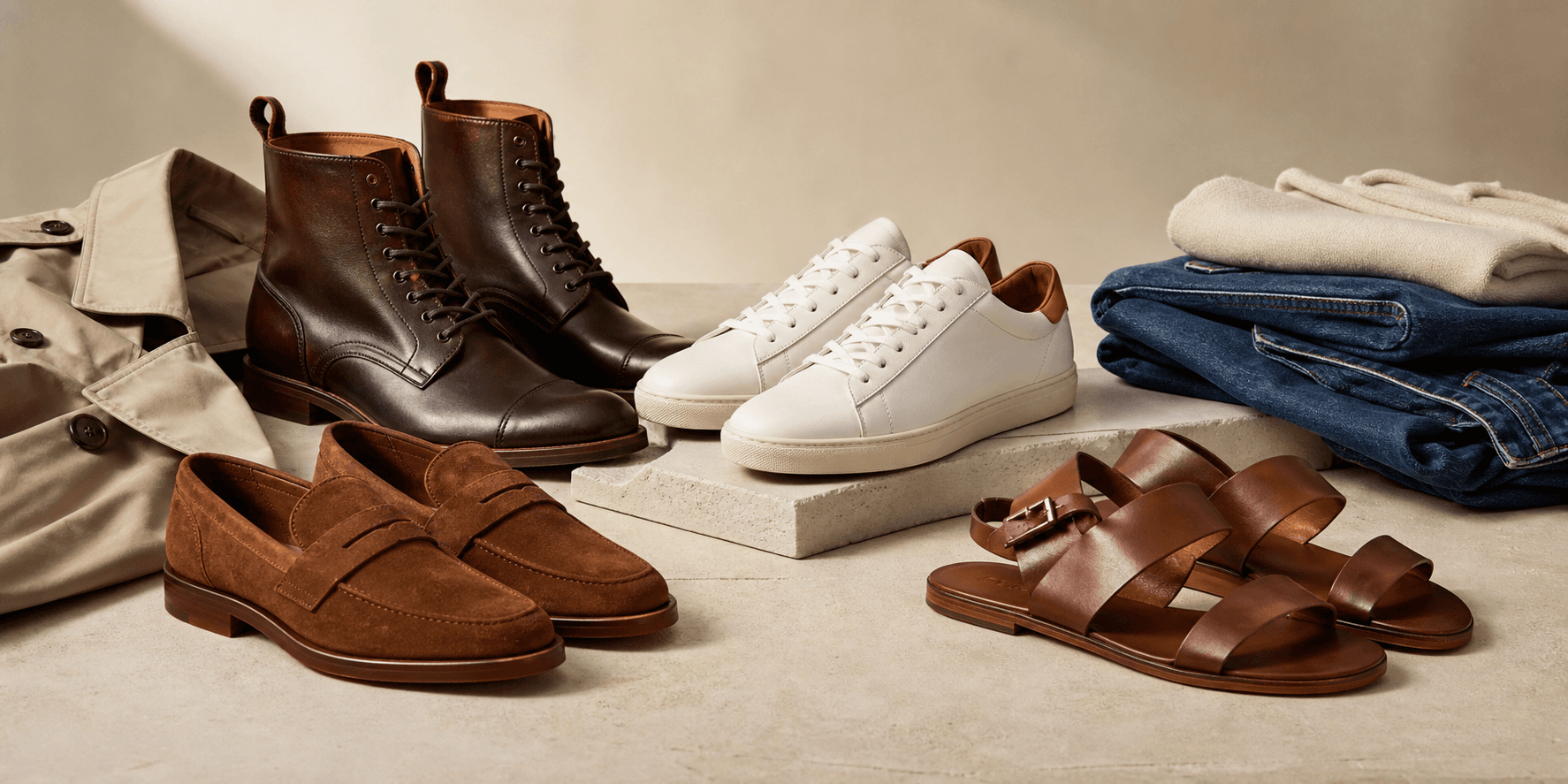
Turning a shortlist into a satisfying purchase is about process. Before you check out, revisit your core use case: office wear that pairs with tailoring, a hybrid sneaker you can commute in, or a boot ready for unpredictable weather. Consider versatility—will this pair complement several outfits you already own? If you are replacing a worn favorite, note what worked and what did not: perhaps you loved the supportive heel but wanted a roomier forefoot, or you appreciated the leather’s patina but wished for a lighter outsole. When your order arrives, try on both shoes on a clean, hard surface. Lace or strap them as you would for normal wear, and walk for several minutes at indoor pace. You are looking for secure heel hold without rubbing, forefoot space that allows natural movement, and no sharp pressure points. Keep tags intact until you are certain. If you test during the late afternoon, you are more likely to capture how the shoes will feel at their most snug. If you are between sizes, remember that some leathers and textiles soften slightly with wear, while certain structured styles keep their shape longer. Care is the next step in maximizing value. For leather, use a gentle cleaner, condition periodically to maintain suppleness, and apply a protective spray when wet weather threatens. Suede responds well to a dedicated brush and occasional protective treatment. For textiles and synthetics, spot clean with the recommended product and air dry away from direct heat. Rotating between two or three pairs extends lifespan by allowing materials to rest and dry between wears. Simple storage habits—shoe trees for structured leather styles, paper stuffing for softer uppers, and a well-ventilated shelf—help preserve shape and freshness. Finally, plan purchases around your calendar. If you know you will travel, break in new shoes a couple of weeks in advance with short, repeated wears. If you are building a capsule wardrobe, prioritize a neutral sneaker, a polished boot or loafer, and a warm-weather sandal or lightweight shoe, then add specialty pairs over time. Watch for restocks of staple sizes and colorways, and consider setting alerts or wish lists. For a streamlined experience comparing styles, materials, and availability across brands, it is efficient to browse the official site of your chosen retailer, where organized filters and clear photography can reduce guesswork and make confident choices easier.
Key takeaways and next steps
The most reliable footwear decisions balance fit, function, and form. Begin by understanding your foot shape and daily routine, then evaluate materials and construction that match your climate and wear patterns. Leather and suede reward consistent care with lasting character, while modern textiles keep weight low and breathability high. Outsole and midsole design determine how connected or cushioned each step feels, and brand-specific size charts are a smarter guide than generic conversions. When you shop, use filters, read multiple recent reviews, and compare similar styles side by side to clarify trade-offs. Test new pairs indoors first, looking for secure heel hold, comfortable toe room, and freedom from hot spots. Maintain your investment with simple cleaning, conditioning, and rotation practices that extend lifespan and keep shoes looking sharp. By approaching each purchase with a plan and leaning on reputable retailers like legendfootwear.co.uk for consolidated information and selection, you can assemble a rotation that supports your style year-round without overbuying. With these steps, you are better equipped to make choices that feel good today and remain dependable in the seasons ahead.