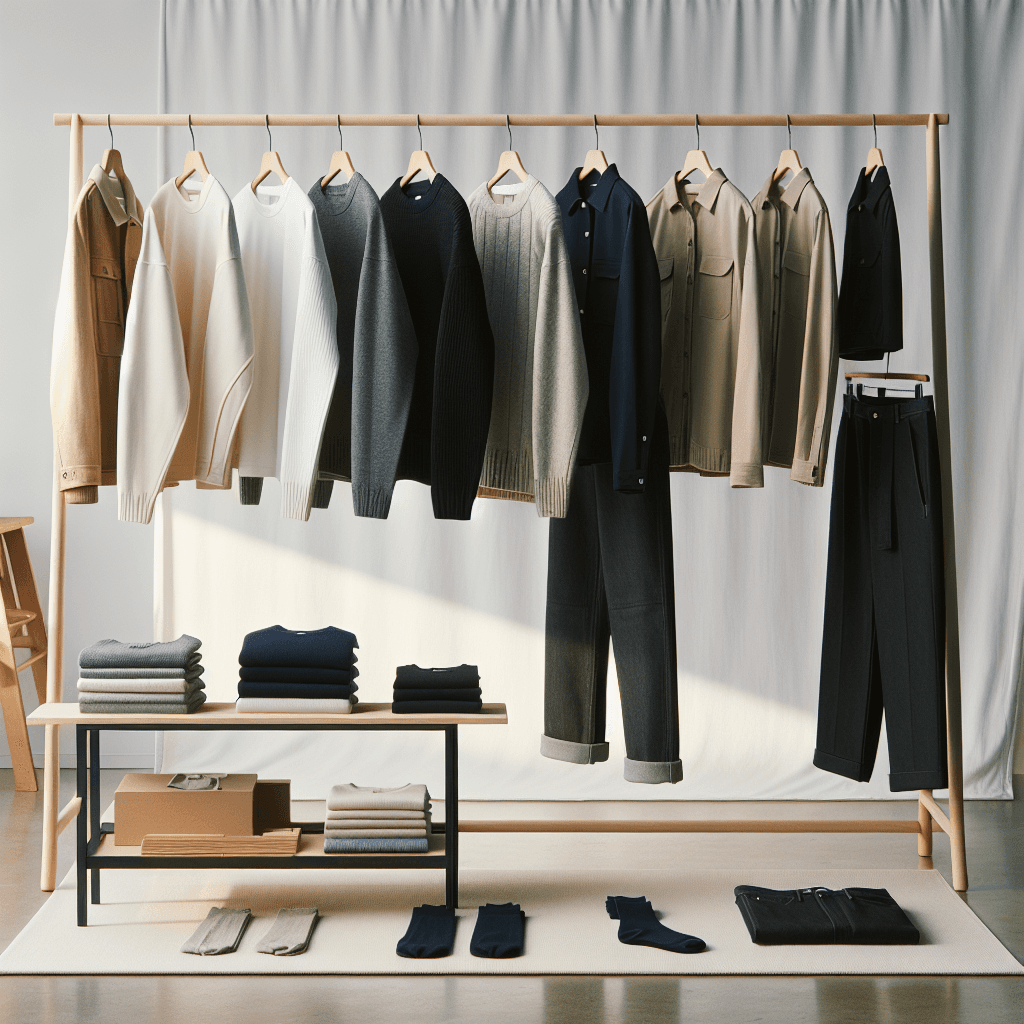
Why a capsule wardrobe matters
In the apparel and fashion category, a capsule wardrobe solves a familiar challenge: too many clothes but nothing that consistently works together. By focusing on a tight rotation of well-made essentials, you reduce decision fatigue, streamline packing, and avoid duplicate purchases. It’s not about strict minimalism; it’s about reliable pieces that mix and match across seasons and occasions. UNIQLO—the brand behind the LifeWear concept—leans into this idea with year-round essentials, consistent color stories, and fabric innovations designed for everyday comfort. If you’ve wondered how to simplify outfits for work, weekends, or travel without feeling repetitive, a UNIQLO-centric capsule is a sound place to start. The brand’s approach centers on clean silhouettes, practical materials, and accessible price points, making it possible to assemble a cohesive wardrobe gradually rather than all at once. That slow-build mindset is helpful if you are testing new fits or color palettes, or if your lifestyle spans office days, casual errands, and short trips. You can also rely on a core of seasonless layers—think sturdy denim, breathable knits, and versatile shirts—then rotate in weather-specific pieces as needed. For warm months, lightweight fabrics and moisture-wicking base layers keep outfits comfortable; in cold months, streamlined insulation and heat-retentive layers reduce bulk while maintaining warmth. To see how this concept comes together, browse staple categories and colorways at uniqlo.com and note how similar hues repeat across tops, bottoms, and outerwear. That repetition makes pairing easy: a navy or black jacket works with jeans or chinos; a white or striped shirt coordinates with skirts or trousers; and knitwear ties everything together. Another advantage is consistency. Core items often return season after season, so you can replace a favorite tee or add a new color without rethinking the whole closet. Sizing generally covers a broad range, though availability varies by region and style; checking measurements helps you dial in the right fit. In short, a capsule anchored by UNIQLO staples addresses practical needs—fit, comfort, coordination, and maintenance—while keeping your style understated and versatile.
Key pieces and fabric choices
Start with tops that anchor multiple outfits. Supima cotton or U-collection crewneck T-shirts offer a smooth hand-feel and a trim-but-not-tight silhouette that layers under shirts, cardigans, or jackets. An Oxford or broadcloth button-down can dress up denim or dress down tailored trousers, while a light flannel adds warmth without bulk. Knitwear—merino, lambswool, or cotton—covers office-ready and casual looks; merino in particular breathes well and keeps a neat profile under blazers or coats. For bottoms, think in pairs: one dark indigo denim and one neutral chino (black, navy, or beige). Straight or tapered cuts maximize outfit flexibility, while wide-leg styles create a modern silhouette that still coordinates with slim or cropped tops. If you work in a business-casual setting, consider smooth-finish trousers or the brand’s easy-care dress pants to bridge weekday and weekend use. For womenswear capsules, add a pleated or A-line skirt in a neutral tone; it pairs with tees, shirts, and knits for a full range of smart-casual outfits. Outerwear brings the system together. Lightweight down is packable and warm for transitional weather; water-resistant shells provide coverage when it’s windy or drizzling; and wool-blend coats deliver structure for formal or office days. Innerwear matters as much as what you see: breathable, moisture-wicking layers work in summer, and warmth-retentive base layers reduce the need for heavy sweaters in winter. Accessories—belts, socks, scarves, and beanies—subtly shift tone between casual and polished. Shoes aren’t a UNIQLO focus, but pairing your capsule with simple sneakers, loafers, or boots keeps the aesthetic coherent. Fit and fabric are easier to navigate with measurements. Look at shoulder width and chest/sweep for shirts, waist/hip and rise for trousers, and sleeve/inseam lengths for proportions. Detailed size charts and color runs are available on the official site, and comparing garment measurements to a favorite item you own is a reliable shortcut. Care is straightforward: most cotton tees and shirts wash cold and dry flat or tumble low; wool knits benefit from gentle washing and flat drying; down garments compress best when fully dry and stored loosely. Many pieces are designed for easy care, but always follow the garment label. By choosing a neutral base (black, navy, gray, white, beige) plus one accent color (olive, rust, or a muted blue), you’ll multiply combinations without adding clutter.
How to build yours now
Begin with a quick audit. Pull your most-worn items and note the colors and fits you reach for repeatedly. Decide on a base palette—say, navy and gray with white accents—and choose silhouettes that reflect how you live: a smart-casual office, a campus routine, frequent travel, or a mix. Set an initial target like 12–16 items that cover two weeks of outfits, then expand gradually if needed. A sample unisex core might include: two crewneck tees (white, black), one striped tee, one Oxford shirt, one merino crew or cardigan, one lightweight knit or overshirt, one dark straight-leg jean, one neutral chino or wide-leg trouser, one pleated skirt or second trouser (if preferred), one lightweight down or water-resistant shell, plus innerwear layers and two accessories (a scarf and a belt). That small set can produce dozens of looks by rotating tops and swapping shoes. Prioritize fit first, then color, then duplicates. Try two adjacent sizes in staples like tees, shirts, and chinos if possible; a tailored shoulder or clean waistline will elevate even the simplest outfit. Keep receipts and tags until you’ve mixed each item into at least three outfits at home. If shopping online, consult the size chart and check garment length versus your best-fitting piece; additional product photography and fabric descriptions can help you anticipate drape and structure. When you’re ready to refine your picks or add seasonal layers, you can browse current drops and color updates and learn more about materials and care. Budget strategically by building in phases: start with two tees, one shirt, and one trouser; add knitwear and outerwear next; finish with a second bottom and a versatile layer. Watch for seasonal refreshes to fill gaps in colors or sizes, and consider in-store alterations for pant hems when available. Care extends lifespan and protects your budget: wash cold, use a gentle cycle for knits, dry flat, and fold sweaters rather than hanging them; refresh wool with a fabric comb; store down loosely; and rotate shoes to let them air out. For travel, pack within your capsule’s palette: one jacket, two tops, one knit, and two bottoms often cover a long weekend. Finally, give your wardrobe a monthly check-in. If a piece sits unworn, ask whether tailoring, layering, or a color swap would help; over time your capsule becomes both tighter and more expressive.
Essential takeaways and next steps
A capsule wardrobe built around UNIQLO essentials prioritizes clarity over complexity: simple silhouettes, cohesive colors, and materials that handle daily wear. By anchoring to a small set of reliable pieces—tees, a shirt or two, denim, a neutral trouser or skirt, a practical jacket, and a breathable or warmth-retentive base layer—you create combinations that flex from weekdays to weekends and from one season to the next. Focus on fit first, confirm fabric and care needs, and expand in phases as you learn what you reach for most. Keep your palette disciplined with one or two accent colors to maintain ease of mixing. Use size charts and garment measurements to minimize returns, and lean on alterations when available to dial in lengths and hems. With mindful care—washing cool, drying gently, and storing thoughtfully—your core rotation stays sharp and comfortable. When you’re ready to add or replace, look for consistent color runs so new arrivals slot neatly into what you already own. The result is a wardrobe that feels calm, coordinated, and ready for whatever the week brings—without overbuying or overthinking.