Why car leasing is complex
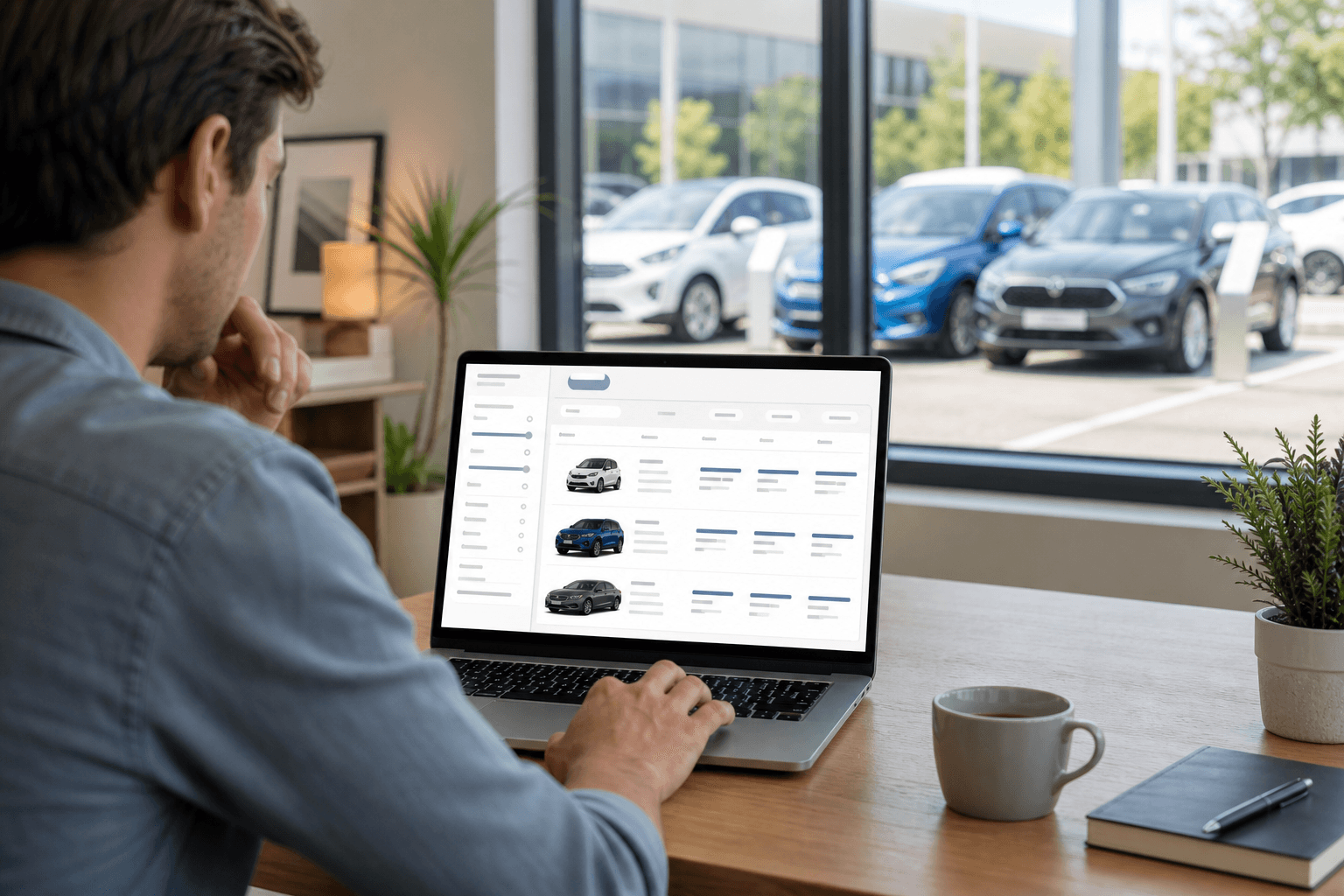
In the automotive market, leasing has become a practical way to drive a new vehicle without the long commitment of ownership. Instead of paying the full price upfront or taking out a conventional purchase loan, a lease spreads the cost of using a car over an agreed period and mileage. Yet for many drivers, navigating lease deals can feel overwhelming. Offers vary across models, trims, contract lengths, initial payments, mileage allowances, and optional services—factors that can change the total you pay and the overall experience. This is where comparison platforms help by bringing multiple offers into one place and making it easier to spot what fits your situation. Services like leaseloco.com showcase a wide range of personal and business lease deals, helping you see pricing and key terms side by side so you can shortlist options quickly. Understanding the basics is the first step. Most personal leases in the UK are personal contract hire (PCH), where you agree to a fixed term (often 24 to 48 months), a mileage allowance (for instance, 8,000 to 12,000 miles per year), and a set of upfront and monthly payments. The vehicle is returned at the end of the term, and you typically do not own it. Business contract hire (BCH) works similarly but is tailored to companies and fleets, with separate tax and accounting considerations. Regardless of contract type, the headline monthly figure rarely tells the full story. The initial rental (sometimes described as a multiple of monthly payments or a flat amount), excess mileage rates, maintenance choices, potential administration fees, and delivery lead times can all influence what feels like the best value for your needs. The rise of electric vehicles (EVs) adds more decisions. For instance, an EV may have a higher monthly price than a comparable petrol model but offer lower running costs depending on your charging setup and driving pattern. Likewise, safety features, infotainment options, and driver-assistance systems vary by trim and can alter the value proposition. Leasing therefore becomes an exercise in matching your day-to-day use—commuting, school runs, weekend trips, or business mileage—to the specification and contract details. By clarifying these requirements before you start comparing, you can filter quickly and avoid surprises later. In short, leasing can be straightforward once you understand the moving parts; the key is to work methodically, compare like with like, and read the terms that sit behind the headline price.
Key details and cost factors
When comparing lease offers, think in terms of total cost and suitability rather than only the monthly payment. The total cost typically includes the initial rental, fixed monthly payments across the term, any optional fees (such as a documentation or arrangement fee if applicable), and the cost of add-ons like a maintenance package. A maintenance package can fold routine servicing, MOTs when applicable, and some wear-and-tear items into a predictable monthly cost; without it, you pay these as they arise. Excess mileage charges matter as well: if you exceed the agreed allowance, you pay a per-mile fee at the end. Choosing a slightly higher mileage allowance up front can sometimes be more predictable than paying excess charges later, especially if your driving pattern fluctuates. The specification of the car—engine type, battery capacity for EVs, trim level, wheels, and driver-assistance features—also affects value. For example, a higher trim may offer safety or comfort upgrades that improve your day-to-day experience, but balance that against the cost. Delivery lead time is another practical point: popular models or specific configurations may have longer waits. If timing is important, it’s worth checking in-stock or “pipeline” cars. Even registration month can matter if it influences the plate year you prefer. On comparison sites, you can use filters to narrow by body style, fuel type, contract length, and more; platforms such as leaseloco.com consolidate options so you can explore offers systematically. Consider two illustrative scenarios. Suppose Deal A is a 36-month contract with 9 months initial rental, £275 per month, and 10,000 miles per year. Deal B is a 24-month contract with 3 months initial rental, £345 per month, and 8,000 miles per year. For Deal A, the initial payment is 9 × £275 = £2,475, plus 35 remaining payments at £275 = £9,625, for an indicative total of £12,100 before fees or add-ons. For Deal B, the initial payment is 3 × £345 = £1,035, plus 23 remaining payments at £345 = £7,935, totaling £8,970 before fees or add-ons. While Deal B’s monthly price is higher, its shorter term and lower headline total might suit someone who prefers flexibility or anticipates a lifestyle change. These figures are purely illustrative; actual totals vary by provider, mileage, vehicle, and fees. Other considerations include insurance (separate from most leases), tyre coverage, roadside assistance, and manufacturer warranty. Always review how early termination is handled, as ending a lease early usually incurs charges. Many providers use credit checks; if you’re unsure about your eligibility or how a check is performed, speak with the broker or funder for clarity before you proceed. Business customers should consult a qualified professional on tax matters related to BCH. Ultimately, bring all these pieces together so that you’re comparing on like-for-like terms rather than just the lowest monthly number.
Practical next steps to decide
Start by defining your needs clearly. List your must-haves—seat count, boot space, driving range for EVs, safety features—and your nice-to-haves, like a premium stereo or panoramic roof. Next, sketch a budget that includes the initial rental you’re comfortable with, your target monthly range, and whether you prefer to include a maintenance plan for predictable running costs. With this framework, you can use filters on a comparison platform to focus on relevant makes, models, terms, and allowances. If you want more clarity on real-world performance, look at independent reviews for ride quality, cabin comfort, and efficiency, then reconcile that with the exact trim in the offer you’re considering. Once you have a shortlist, check availability and lead time. An in-stock car may arrive faster but might have a fixed configuration; a factory order is more configurable but often takes longer. Ask for a written quotation and review the key information summary: contract length, mileage allowance, initial rental, monthly cost, total of payments, excess mileage rate, maintenance inclusion, expected delivery, and any fees. Ensure the example vehicle and trim match the one you want. For EVs, consider your charging plan: whether you have home charging, access to workplace charging, or rely on public networks. Running costs vary significantly with your electricity tariff and driving pattern, so factor that into your overall assessment rather than focusing solely on the rental figures. Before signing, read the agreement carefully and ask the broker or funder to explain anything unclear. Confirm how fair wear and tear is assessed at the end of the lease, what counts as damage, how tyre and windscreen issues are handled, and the process for arranging collection. Keep copies of all documents and communications. When the car is delivered, inspect it thoroughly and note any defects promptly. Good communication throughout the contract helps prevent surprises—if your mileage will exceed the allowance, contact the provider early to discuss options. When you’re ready to narrow down choices or request quotes, a consolidated marketplace can save time by showing multiple providers and models together. If you want to check current availability, pricing, and terms across a broad range of vehicles, you can learn more and refine your search with filters, then speak with a representative to confirm details. Remember, the information in this guide is general and not financial advice; final decisions should be based on your own circumstances and the specific terms offered by the provider.
Summary and final pointers
Leasing can be a straightforward route into a new car when you approach it methodically. Begin with a clear picture of how you drive—mileage, routes, passengers, and space needs—then translate those requirements into filters for body style, fuel type, contract length, and budget. Weigh total cost, not just the monthly figure: the initial rental, monthly payments, maintenance inclusion, excess mileage charges, and any fees together shape value. Availability and lead times are practical considerations, and specification details such as trim, safety features, and driver assistance can meaningfully affect day-to-day satisfaction. Throughout the process, read documentation carefully, ask questions, and compare on like-for-like terms. Electric vehicles introduce different running cost dynamics, so consider your charging access and tariff as part of the overall picture. Keep in mind that business and personal contracts have distinct considerations, and professional advice may be useful for business users. Platforms like leaseloco.com can help you scan the market efficiently and assemble a focused shortlist. With a structured approach and a careful review of terms, you’ll be better equipped to select a lease that aligns with your needs, timing, and budget, and enjoy a smooth experience from delivery to end of contract.