Why meal kits matter today
For many households, getting dinner on the table is a running negotiation between time, taste, and budget. The food and grocery category has seen a steady rise in services that help simplify this daily decision, and meal kits have become a notable option for people who want a guided cooking experience without the full commitment of weekly meal planning and lengthy supermarket trips. Gousto, known via gousto.co.uk in the UK market, offers pre-portioned ingredients and step-by-step recipes selected from a rotating menu, aiming to make home cooking more predictable and, in many cases, less wasteful. When ingredients arrive in the right amounts, it becomes easier to try new dishes while keeping your pantry lean and your weeknight routines streamlined. Beyond convenience, the appeal of a service like Gousto often lies in variety. If you’ve ever fallen into a cooking rut, a curated set of recipes can be a helpful prompt to try different cuisines, flavours, and techniques—without spending time hunting for recipes or tracking down niche ingredients. Many people also value the structure that comes with a defined number of meals and servings each week; it creates a simple framework for planning around other commitments. While no single service fits everyone, the core idea is to trade some flexibility for reliable meal outcomes and a clear path from box to plate. Another common motivation is reducing food waste. When you buy full-size spice jars for one recipe or large packs of herbs that wilt before you use them, the hidden costs add up. Pre-measured packets aim to cut that problem down. This approach doesn’t guarantee savings in every scenario—prices vary and depend on how you usually shop—but it can help make costs more visible on a per-meal basis. It also provides a defined cooking time window to support weekly scheduling. For newcomers, it’s useful to think of a Gousto box as a bridge between shopping and takeaway. You’ll still cook, but with less overhead and more predictability. The platform’s recipe cards walk through preparation so you can plan around skill level and time available. If you want to see how a typical selection looks, you can browse menus through the gousto.co.uk storefront experience and get a feel for the breadth of dishes before committing.
What to expect from Gousto boxes
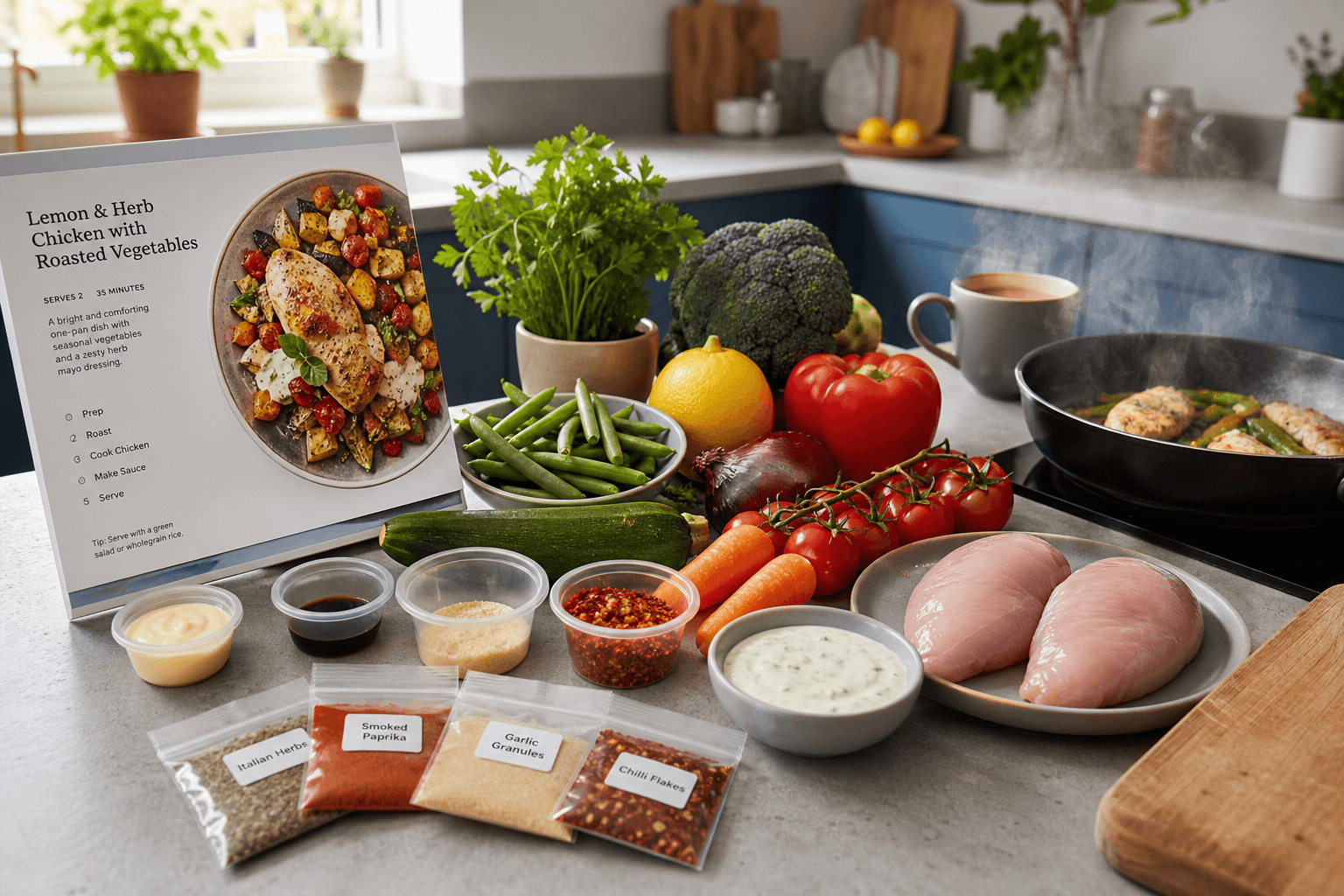
Ordering from Gousto generally starts with choosing how many people you’re cooking for and the number of recipes you want in each delivery. From there, you pick meals from a weekly menu that spans crowd-pleasers, lighter options, and globally inspired dishes. Expect clear cooking time estimates, ingredient lists, and nutritional information presented per serving. Recipes are designed to be approachable, with pre-portioned spices and sauces helping you produce consistent flavours without holding a large inventory of specialty items at home. Ingredients typically arrive chilled in insulated packaging designed to maintain safe temperatures during transit. Perishables like meat, fish, or dairy are sealed and labelled, while produce and ambient items come in separate packets. It’s standard to receive a printed or digital recipe card that outlines steps from prep to plating, including tips on sequence, timing, and final checks for doneness. Most recipes call for a few home staples—oil, salt, pepper, maybe sugar or vinegar—so it’s helpful to check the recipe’s required pantry items ahead of time. Dietary preferences are usually supported through menu filters such as vegetarian or plant-based selections, and there are frequently options geared toward different heat levels or family-friendly flavours. Allergen information is provided on packaging and recipes, but anyone with allergies or intolerances should review labels carefully, as suppliers and preparation environments can change. For tailored needs, it’s good practice to review each recipe’s components instead of relying on broad categories alone. Delivery will vary by location and schedule availability, with options to skip a week, pause, or adjust orders. This flexibility matters when you have travel, social plans, or an unusually busy calendar. If you’re comparing meal kits to grocery shopping or takeaway, consider portion sizes and the convenience of having everything arrive together. While per-meal pricing won’t always beat cooking from scratch with bulk ingredients, consistent portioning, less leftover produce, and time saved on planning can provide value for many households. To preview the kind of recipes and bundles that may suit your routine, it can be helpful to review rotating menus and seasonal picks, then narrow by cooking time, dietary needs, and flavours you already enjoy. If you want to quickly scan current selections and any new-customer incentives, you can explore offers before deciding how many meals per week make sense for you.
How to get the most value
Maximising value from a meal kit often comes down to planning. Start by mapping chosen recipes to your week: place the quickest dishes on your busiest evenings and save more involved recipes for nights when you have extra time. Next, sort meals by perishability—use seafood and delicate greens earlier in the week and hearty vegetables or frozen-friendly components later. This sequencing can help you avoid rushed cooking or unnecessary waste. Think about how recipes can play off each other. If two dishes include similar flavour profiles, consider cooking them on adjacent nights so opened spice packets or garnishes can be finished while they’re freshest. Conversely, choose a mix of cuisines to keep the week interesting and avoid palate fatigue. When recipes list optional garnishes, keep those if you enjoy them; they can elevate simple plates without much extra effort. As you build confidence, you can adjust seasoning gently to taste, staying within the recipe’s framework for reliable results. Storage also matters. Make space in the fridge before your box arrives, and scan use-by dates as you unpack. Keep proteins at the coldest part of your fridge and store herbs with stems trimmed in a glass of water or wrapped in damp paper towel. Read recipe cards thoroughly before you begin, setting out equipment and pre-measuring anything that speeds up the process. If a dish yields more than you expect, portion leftovers promptly and label them for next-day lunches. Budget-wise, compare per-portion costs with your usual routine rather than general averages. If you often buy takeaways or over-purchase ingredients that go unused, a defined number of meals can bring structure. If you prefer bulk shopping and batch cooking, meal kits might be an occasional supplement for variety and time savings. Packaging can often be broken down for recycling based on local guidance; refer to any disposal notes included with your delivery. Account management features matter too. Skipping a week when your plans change helps prevent food piling up, and adjusting box size seasonally can keep your routine aligned with your schedule. If you’re curious about upcoming menus or want to see how delivery slots map to your area, checking details on the official site before finalising an order can help you plan. Finally, remember that recipe listings and supplier information can evolve, so make it a habit to review labels and notes each week, particularly if you have dietary requirements.
Key takeaways and next steps
Gousto meal kits offer a structured way to plan home cooking, bringing together recipes, pre-portioned ingredients, and clear instructions so you can spend less time deciding what to make and more time cooking. In the broader food and grocery landscape, this format suits people who value convenience, variety, and predictability. While it won’t match every shopping style or budget, it can reduce planning overhead and help limit unused ingredients, especially when you map recipes to your week and prioritise perishability. Before you order, review the weekly menu and filters to ensure options fit your tastes and dietary needs. Check the pantry items you’ll need on hand, scan cooking time estimates, and pick a box size that aligns with your schedule. If you have allergies or intolerances, read packaging and recipe notes carefully, as suppliers and labelling can change over time. For best results, make space in your fridge on delivery day, read recipe cards end to end, and sequence meals to match your calendar. Used thoughtfully, a meal kit like Gousto can be a practical addition to your routine—whether as a weekly staple or a flexible tool for busy periods. If the approach appeals, consider reviewing current menus and delivery options to see how they might fit into your household’s rhythm.