Why the right gear matters
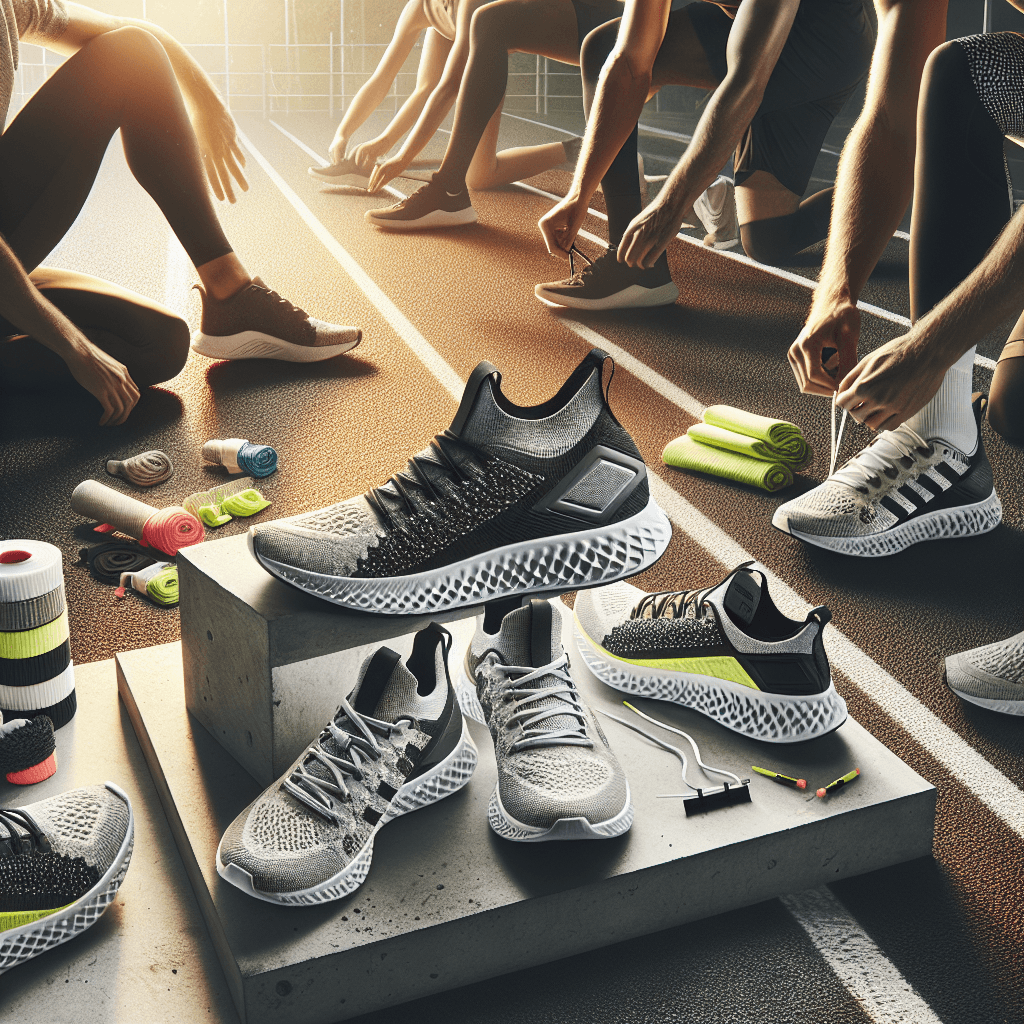
Finding the right running shoes and training apparel can feel surprisingly complex, especially when you are shopping online and comparing dozens of styles, materials, and specifications. In the health, fitness, and sports category, the nuances truly matter: comfort, fit, and durability influence how steadily you can train and how enjoyable each session feels. The goal is not to chase technical buzzwords, but to identify how each choice serves your routine—whether you are building a habit of daily walks, scheduling interval sessions, mixing in gym strength work, or hitting nearby trails. On adidas.com, the breadth of choice is a strength, provided you approach it with a simple plan. Start by clarifying your main activity and surface. If you spend most of your time on paved paths or treadmills, road running shoes with balanced cushioning may suit you best. If you alternate between pavement and park paths, consider shoes with slightly more grip and protective uppers. For gym days and cross-training sessions, shoes that emphasize stability and a grounded feel can make multi-directional movements feel more controlled. Next, consider your training frequency and the kind of feel you prefer underfoot. Some runners enjoy a plush, cushioned ride for easy efforts, while others prefer a firmer, more responsive sensation for faster work. There is no universal right answer, because feel is personal and changes with goals and experience. Apparel follows a similar logic. Lightweight, breathable tops and shorts or tights can help you stay comfortable across a range of temperatures, and moisture-wicking fabrics are designed to handle sweat efficiently. When conditions get variable, layering is essential: a breathable base layer, a light insulating mid-layer, and a weather-resistant outer piece can be mixed and matched depending on the forecast. Fit is important for both shoes and apparel, so it is worth using size guides and reading customer feedback to understand how items typically run. Finally, keep your context in mind: if you train at dawn or dusk, reflective accents are practical; if you live in a rainy climate, quick-drying fabrics and water-repellent layers are convenient. By mapping your environment, frequency, and comfort preferences to what you see online, you convert a large catalog into a focused shortlist that matches your real-world needs.
Key features to consider
When you begin comparing running shoes, midsole cushioning and overall geometry are a helpful place to start. Models with higher stacks often feel softer and more cushioned for longer, steady runs, while those with a leaner profile can feel firmer and more connected for uptempo sessions. Neither approach is inherently better; it depends on how you like a shoe to respond underfoot. Upper materials also play a big role in comfort. Breathable engineered mesh keeps things light and airy, while more structured designs can provide a secure hold through the midfoot. If you train on mixed terrain, look for resilient uppers with supportive overlays, and check the outsole pattern for the right balance of grip and durability. On product pages, you can see features and sizing notes that explain how a model fits relative to standard expectations, which helps narrow down your options efficiently. Fit details matter even more if you wear thicker socks in colder months or if your foot swells slightly during long runs. Many runners find a thumb’s width of space in front of the longest toe to be a comfortable starting point for distance work. Beyond the shoe, apparel choices shape how consistently you can train across seasons. Look for moisture-wicking tees and singlets that move sweat away from the skin, paired with shorts or tights that provide an unobtrusive fit. When temperatures rise, lightweight pieces with strategic ventilation can feel more comfortable. In colder conditions, a breathable mid-layer helps maintain warmth without trapping excess moisture, and a wind- or water-resistant jacket can add versatility if the forecast is uncertain. Consider reflective details if your schedule pushes you into low-light windows. Accessories round out the setup. Performance socks with targeted cushioning reduce friction points and can enhance comfort, while caps or headbands help manage sun and sweat. A minimal running belt or vest can carry keys and a phone without bounce. For gym sessions, shoes with flatter, more stable bases and durable uppers handle lateral movements and strength work with consistency. Finally, pay attention to care instructions. Allowing shoes to air out, removing insoles after wet runs, and washing apparel according to label guidance can extend lifespan. Rotating between two pairs of shoes gives foam time to rebound and offers variations in feel across your week.
Your next steps online
A practical sequence can make online selection smoother. First, define your main use case for the next two to three months. If you are rebuilding consistency, prioritize models described as balanced daily trainers. If you are adding speed sessions to an established base, consider a snappier option as a second pair. Then measure your feet at day’s end, when they are at their largest, and compare the length to the size chart. If you are between sizes, think about your sock thickness and whether your longest efforts cause more swelling. Shortlist a few candidates by matching surface, cushioning level, and stated fit. Read customer reviews with attention to patterns, not outliers, and look for comments about upper volume, toe box space, and how the cushioning feels after several weeks. Check colorways and availability so you can reorder the same model if it becomes a favorite. For apparel, build a small, versatile capsule: two or three tops, two bottoms suited to your season, and one layer that manages wind or light rain. Ensure at least one piece has reflective elements for low-light sessions. Before checkout, confirm return windows and whether free returns apply in your region, which reduces risk if sizing feels uncertain. After your gear arrives, test shoes indoors on a clean surface to confirm fit. During your first few sessions, keep routes familiar and take brief notes on comfort, hotspots, and lace tension, adjusting gradually. Track approximate mileage so you can anticipate when midsoles start to feel less lively. Store shoes in a cool, dry space out of direct sunlight, and avoid high heat during drying. Wash apparel promptly after sweaty sessions using gentle cycles, and air dry when possible to maintain fabric integrity. Over time, this routine creates a comfortable baseline, making it easier to identify what you like and when to replace items. If you want to compare colorways, check updated size availability, or review detailed specifications as you refine your shortlist, browsing the official site is a straightforward way to keep your options organized.
Bringing it all together
Selecting adidas running shoes and training gear is most effective when you anchor the process in your actual routine: where you train, how often you go, and what sensations you prefer underfoot and on the skin. By sorting options by surface, cushioning style, and upper fit, then pairing them with breathable apparel and a reliable outer layer, you create a setup that feels consistent from day to day. Sizing and comfort are personal, so it helps to use size guides, compare notes from reviews, and test new items thoughtfully before committing them to longer sessions. A modest rotation—perhaps a balanced daily trainer for most runs and a snappier or more stable model for specific workouts—can make weekly schedules feel smoother, while care habits like airing out shoes and washing technical fabrics gently help sustain performance over time. With these fundamentals in place, browsing online becomes less about chasing features and more about finding dependable pieces that match your goals. As seasons change or your training evolves, you can update a layer here or add a second shoe there, keeping your kit aligned with what you actually do. This steady, practical approach turns a large catalog into a clear path toward comfortable, repeatable training.