Why the right gear matters
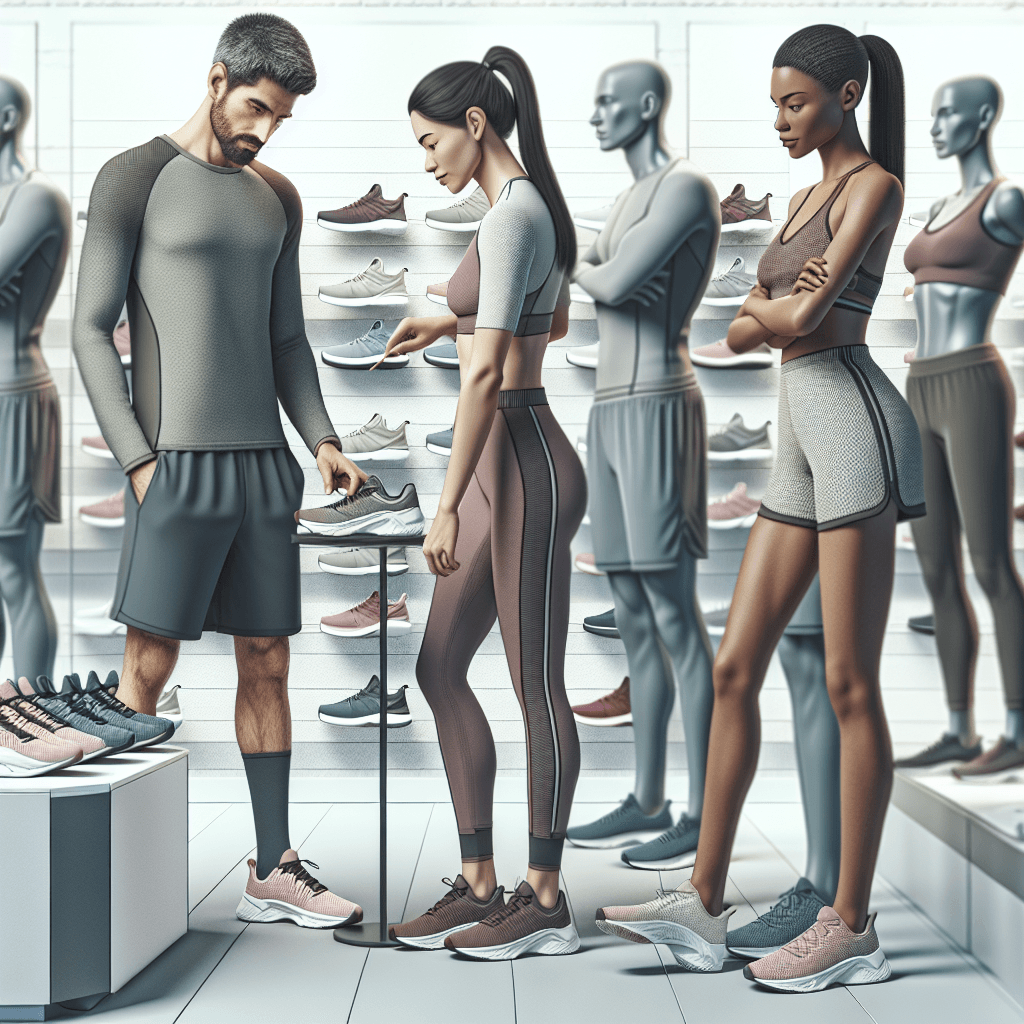
Selecting the right sportswear and footwear can have a meaningful impact on how comfortable, confident, and consistent you feel across workouts and daily activities. In the health, fitness, and sports category, apparel and shoes serve specific functions: they help manage heat and moisture, offer targeted traction for a surface or sport, and provide a fit profile that suits your body and training routine. If you run before work, take weekend classes at the gym, or spend much of the day on your feet, aligning gear with how you move is a practical way to support your routine with less friction. Retailers like jd-sports.com specialize in bringing a broad range of performance and lifestyle options together, making it easier to compare cuts, fabric technologies, and outsole patterns in one place. You can browse that breadth at jd-sports.com while cross-checking features that matter to you. The first step is clarifying your primary activities. For running, look at shoes categorized by distance and terrain; for studio or gym training, shoes often emphasize multi-directional support and stable platforms; for court sports, traction patterns and upper containment play central roles. If you mix activities, a versatile training shoe can be a sensible centerpiece, with a running-specific model for mileage days. Apparel follows the same logic. Lightweight, sweat-wicking tops and shorts work well for high-output sessions, while mid-layers and wind-resistant shells help you adapt to changing weather outdoors. For casual wear or travel, pieces with a clean silhouette, breathable fabric, and secure pockets add convenience without sacrificing comfort. Another key consideration is fit. Shoes should feel secure at the heel, with room for natural toe splay up front. Apparel should allow full range of motion without excess fabric catching or bunching. Fabrics labeled as quick-dry or moisture-wicking can help keep you comfortable during longer efforts, while soft knits and brushed interiors are great for recovery days or cooler climates. Finally, keep your environment and schedule in mind. If you often train before sunrise or after dusk, reflective details on apparel and shoes can aid visibility. If your routine varies across gym, pavement, and trail, planning a small rotation—one shoe for running, one for general training—can extend product life and keep each pair performing as intended. With a clear plan, you can streamline your selection and make the most of a large assortment.
Footwear and apparel essentials
Footwear choice starts with use case. For road running, look for cushioning that balances softness with energy return; many midsoles list foam names to signal feel and intended pace. A lower heel-to-toe drop can promote a flatter platform underfoot, while a higher drop can subtly shift load toward the forefoot. Try both to see which is most comfortable for your stride. If you run on mixed terrain, choose outsoles with varied lugs and slightly stickier rubber for grip; strictly indoor training often benefits from non-marking, grippy compounds that handle lateral moves. Court shoes typically pair durable sidewalls with traction patterns mapped for quick stops and starts. For gym days and strength work, a stable base can help you feel planted during squats and presses. Fit is equally important. At try-on, you should have a snug midfoot and heel with a thumb’s width of space at the toe box. If you wear specific socks for training—cushioned crews, thin racing socks—try shoes with those to dial in the exact volume. Lacing techniques can fine-tune fit: a runner’s loop can reduce heel slip, while skipping an eyelet can ease top-of-foot pressure. Apparel choice follows a similar checklist. For warm conditions, prioritize lightweight, breathable knits and meshes that dry quickly; look for smooth seams or bonded finishes to minimize friction. In cool or windy weather, a thin shell or wind-resistant layer over a moisture-wicking base can help maintain comfort without adding bulk. Shorts and tights with secure pockets keep essentials close without bounce, while adjustable waistbands and drawcords refine fit. Reflective trims add low-light visibility for early or late sessions. For rest days, soft fleece, French terry, or brushed knits deliver comfort while maintaining an athletic aesthetic. Durability and care also influence value. Reinforced high-wear areas—heel clips, toe overlays, double-stitched pocket entries—can extend lifespan. Garment tags and product pages often specify wash temperatures and whether to tumble dry or line dry to preserve shape and fabric performance. Shoppers who time purchases around seasonal shifts may see additional value; you can explore offers around major sport and retail moments for potential savings. To round things out, consider accessories that improve comfort and consistency, such as moisture-wicking socks, supportive sports bras, breathable caps, and lightweight bags that organize gear. Each piece plays a role in building a kit that feels ready whenever you are.
Sizing, care, and budgeting tips
Once you’ve identified your core activities, refine the details to make confident choices and get more from each purchase. Start with sizing. Feet can change slightly across seasons and over time, so it’s helpful to measure length and width or compare against a pair that already fits well. Try shoes later in the day when your feet may have expanded slightly, and walk or jog briefly to assess comfort at the heel, midfoot, and forefoot. If you use insoles or orthotics, test the fit with them installed. In apparel, check both letter sizing and numeric measurements for chest, waist, hips, and inseam. A quick look at the brand’s fit notes—slim, regular, or relaxed—can guide you toward the intended silhouette. For up-to-date size guides, store availability, and delivery options, consult the official site while you compare models. Break-in periods vary. Lightweight running shoes often feel ready on day one, while more structured models may settle after a few sessions. Introduce new footwear on familiar routes or workouts so you can notice differences in traction, cushioning, and stability. Rotating between two pairs—one for running, one for cross-training—can spread wear and let foams rebound between sessions. For apparel, follow the care tag to preserve fit and fabric hand: wash inside out, avoid high heat if recommended, and skip fabric softeners on performance pieces that rely on moisture-wicking finishes. Air-drying can help maintain elasticity and shape. Budgeting for a kit can be straightforward if you prioritize by impact. Typically, footwear affects comfort the most during high-output sessions, so allocate for the pair that best matches your routine. Next, build a small wardrobe of tops and bottoms that rotate easily across weather and workout types. Seasonal promotions and outlet sections can stretch your budget, and reviewing product descriptions and user feedback can help you understand fabric feel, stretch, and durability before you buy. If you shop online, filters for activity, surface, cushioning level, and fit profile can quickly narrow options, and delivery or collection services offer flexibility. Check returns and exchanges information in case a size or style doesn’t land as expected; policies can vary by product type and time of year, so review details at checkout. With thoughtful selection, consistent care, and a plan for rotation, your sportswear and footwear can support day-to-day training while fitting your style and budget.
Key takeaways for shoppers
Choosing the right sportswear and footwear is about matching your routine, environment, and comfort preferences to clear product features. Start by identifying your main activities—running, training, or court play—then select shoes designed for that use, with a fit that secures the heel and midfoot while leaving room up front. For apparel, look for breathable knits and smooth seams for high-output days, and add lightweight outer layers when weather shifts. Reflective trims, secure pockets, and easy-care fabrics contribute to day-to-day convenience. Budget by prioritizing the items that most affect comfort and consistency, then build a small rotation to extend lifespan. Use size guides, product descriptions, and customer feedback to refine choices, and review delivery and returns information for flexibility. By combining a clear needs list with an understanding of features, you can navigate JD Sports’ assortment efficiently and assemble a kit that feels ready for training, commuting, or casual wear—without overcomplicating the process.