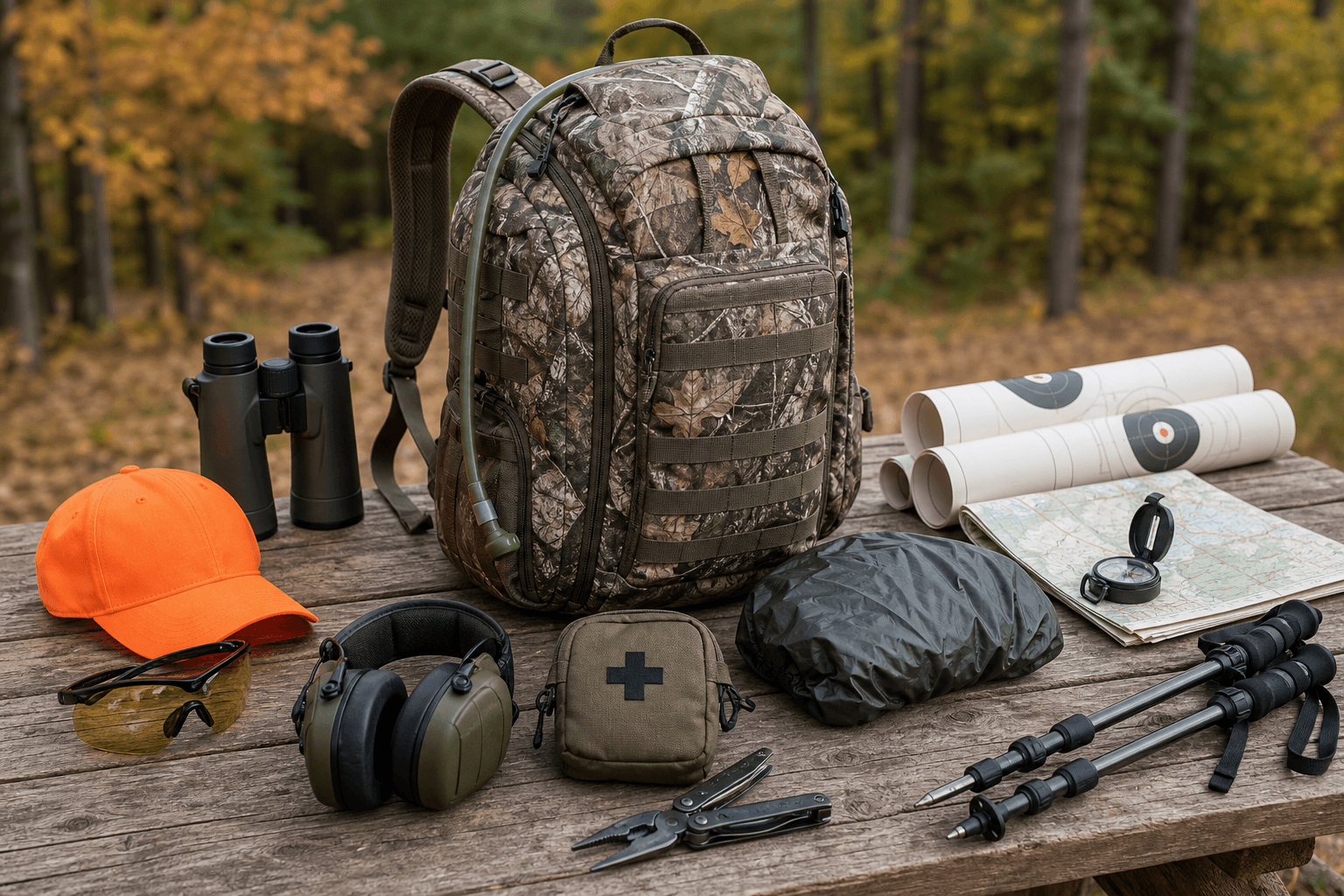
Why a dedicated hunting pack matters
A well-chosen hunting pack is more than a place to stash layers and snacks; it is the anchor that keeps essential tools accessible, your load stable over changing terrain, and your time outdoors safer and more comfortable. In the broader health-fitness-sports category, where endurance, efficiency, and injury prevention are constant priorities, the pack you carry has a measurable effect on how well you move and how clearly you think when conditions shift. A long walk to glass the next ridge, an unexpected squall that forces a quick layer change, or a chilly dawn that gives way to sun and dust can all test whether your pack’s harness, pockets, and weather resistance truly suit your style of hunting or field practice. For day hunts near home, minimal and quiet often beat bulky and complex. A low-profile daypack keeps your silhouette tight and reduces snagging in brush, while soft, low-sheen fabrics help you move quietly. For longer pursuits or mixed objectives—scouting, glassing, and hauling extra insulation or optics—modular organization can keep tripods, rangefinders, and rain gear from competing for the same space. Thoughtful access points also matter. A clamshell main opening makes it easier to locate a buried base layer without emptying the bag onto the ground, and a top lid or front shove-it pocket can be ideal for gloves you frequently remove and replace. Durability and weather resistance are also part of the equation. Abrasion-resistant textiles guard against rocks and deadfall, while a water-resistant face fabric and taped seams can buy you time in an unexpected drizzle. Even if you pack a rain cover, baseline water resistance helps protect paper maps, tags, and spare socks while you find shelter or finish a stalk. Comfort is the final constant. A supportive hip belt takes the strain off shoulders, and a breathable back panel can make long climbs more tolerable. Retailers like midwayusa.com stock a wide range of options that scale from light, minimalist daypacks to multi-day systems, making it easier to match a pack to your terrain, season, and gear list without overbuying or compromising the carry you need.
Key features and materials
Capacity is the starting point because it frames both what you can carry and how easily you can move. Many hunters find an 18–25-liter daypack sufficient for mild weather, a small insulation layer, compact optics, and essentials like water, snacks, and a first-aid kit. Shoulder seasons and optics-heavy days may call for 28–35 liters to accommodate puffy insulation, rain gear, and a tripod or shooting sticks. If you anticipate overnight bivies or need to shuttle layers for variable mountain weather, packs that scale to 40 liters and above provide the versatility to add or subtract volume as needed without feeling sloppy when lightly loaded. The suspension system determines comfort under load. A good hip belt should wrap the iliac crest with enough padding to distribute weight without hot spots. Load lifters that angle back toward the pack at roughly shoulder height can pull mass closer to your frame, which improves balance on uneven ground. Adjustable torso length is a notably useful feature for dialing the yoke to your body, especially when layering bulky clothing in late season. Frames vary: minimalist frames or semi-rigid sheets maintain structure with light loads, while external or robust internal frames shine when you add heavier optics or bulky clothing. Materials and hardware also warrant attention. High-tenacity nylons like 500D Cordura balance durability and weight for mixed terrain, whereas 1000D variants prioritize abrasion resistance where brush and rock are inevitable. Brushed polyester or other quiet weaves help reduce noise in still conditions. Look for water-resistant coatings, sealed seams in high-exposure areas, and zippers with garages that shed light rain. Thoughtful details—dual stretch bottle pockets that actually fit insulated bottles, a quick-stash front pocket, and compression straps that double as carry points for tripods—can transform daily use. Hydration reservoir sleeves with secure hangers prevent sagging, and a sternum strap with an integrated whistle adds a small but meaningful safety feature. Modular organization lets you tailor a pack to different days without changing the entire system. Removable belt pouches can house wind checkers or range cards; interior mesh pockets separate clean and dirty layers; and a flat, padded sleeve can protect a tablet or map board used for planning. If you also frequent the outdoor range for practice, a dedicated range bag keeps eye and ear protection, targets, chamber flags, staples, tools, and a cleaning kit separate from your field pack, reducing clutter and cross-contamination of scent or debris. Exploring retailer assortments to see features side by side—materials, harness designs, and access styles—helps you refine must-haves versus nice-to-haves and choose a pack that complements your routine.
Fit, packing, and field tips
Once you narrow the field, proper fit makes the difference between a pack you tolerate and one you forget you are wearing. Start with torso length: aligning the shoulder harness so it neither gaps nor digs lets the hip belt bear most of the load across your hips rather than sag onto your shoulders. When you snug the hip belt first and then fine-tune the shoulder straps, the pack typically rides more quietly and stays planted as you climb, crawl, or pivot to glass. Slight tension on load lifters can pull weight closer to your back without collapsing the frame’s shape. Throughout a long day, micro-adjustments keep circulation flowing and prevent hotspots as temperatures and layers change. How you organize the interior can be just as impactful as the pack you buy. Concentrate heavy items—like water or compact optics—close to the spine and midway up the pack to minimize leverage on your lower back. Frequently accessed items like gloves, wind layers, wind checker, or a beanie belong up top or in a stretch pocket so you can reach them without excavating the main compartment. Dry bags or lightweight organizers segregate food, spare socks, and electronics; they also add redundancy if a sudden shower gets past your pack cover. For still mornings, quiet fabrics and zipper garages help prevent unwanted noise as you reach for gear. Safety and readiness are constants during both hunts and practice sessions. Always carry a compact first-aid kit, a small headlamp with fresh batteries, a whistle, and navigation aids suited to your area, whether that is a map and compass or a GPS unit with downloaded maps. When temperatures swing, pack a thin insulation layer and a breathable shell even on fair-weather days. If you plan to train or confirm zero at an outdoor range before season, set up a separate tote or range bag with eye protection, earmuffs or appropriately rated plugs, chamber flags, tools, targets, and a small cleaning kit to keep carbon and oils away from field clothing. Regional regulations around blaze orange, transport, and land use vary, so confirm local rules ahead of time and follow posted guidance. Finally, invest a little time before opening day. Load your chosen pack with your real kit, walk a mile or two to fine-tune strap settings, and note what felt awkward or noisy. Keep the refinements simple, and record your ideal strap positions so you can reset them after adding or removing layers. If you want to compare carry styles or pocket layouts, visit a retailer assortment to learn more about current fabric technologies, harness designs, and seasonal colorways at midwayusa.com and similar outlets, then commit to a setup that supports your terrain and typical days afield.
Final takeaways
Choosing the right hunting or practice-ready pack starts with clarity about your days outside: how far you travel, what you carry, and how fast the weather turns. Capacity sets the ceiling, but suspension and fit determine whether that capacity is usable over hours and miles. Fabrics and construction detail how quietly and durably the pack performs when brush, rock, and rain enter the picture, while smart organization helps you reach what you need without disrupting your pace. A practical approach is to define your baseline kit, identify a capacity range that suits your season, and focus on harness comfort, access points, and a few purposeful pockets. Test the fit with real weight and fine-tune strap settings before the season starts, then keep a small safety core—navigation, light, whistle, and first aid—in the pack year-round so it is always ready. If you also maintain a separate range bag for training days, you will reduce clutter in the field and keep sensitive layers cleaner and quieter. With a clear checklist and a bit of pre-season rehearsal, you can confidently select, fit, and organize a pack that supports your goals—whether you are glassing ridgelines, easing through timber, or running practice drills on a quiet afternoon.