Why the right cleaning gear matters
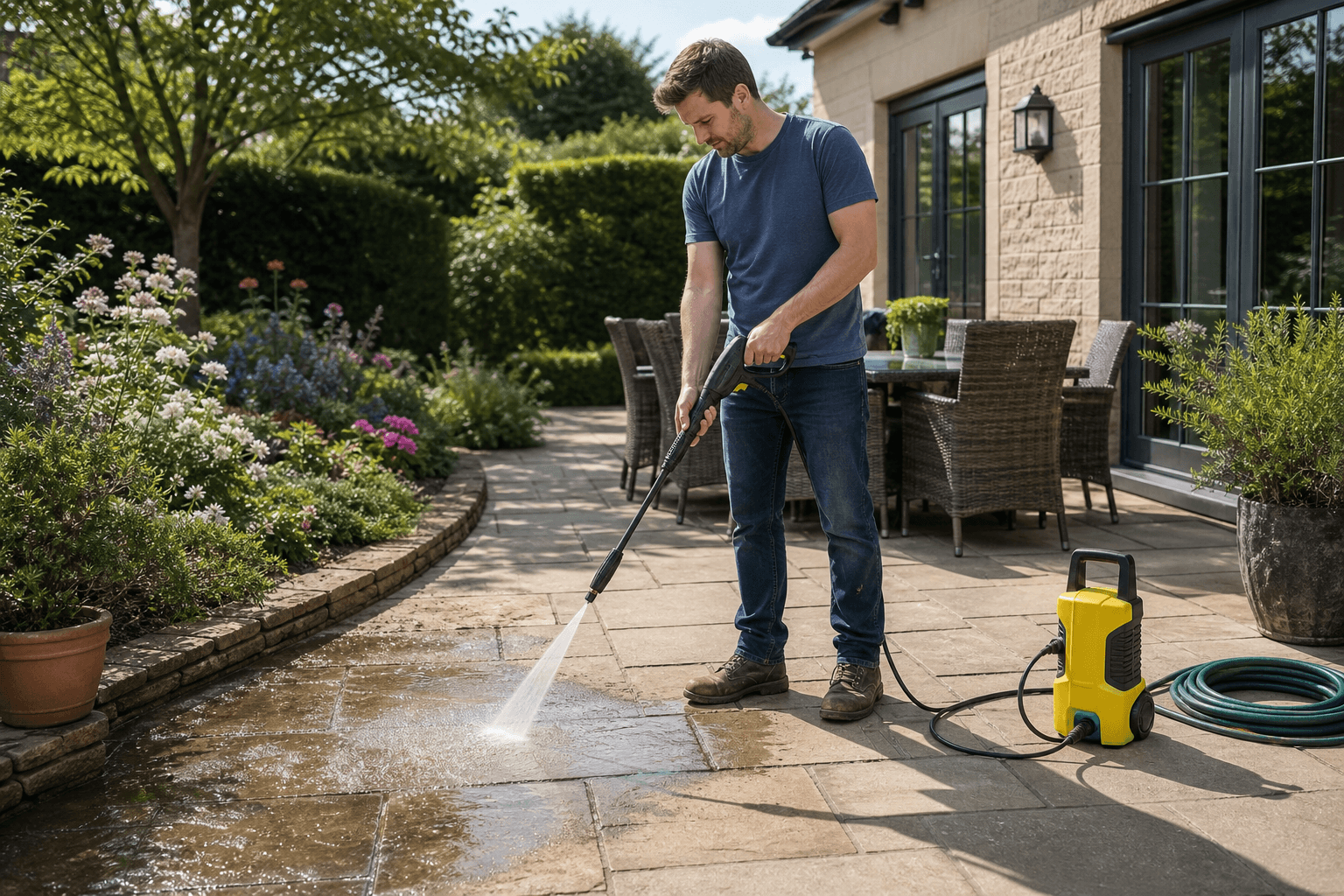
For many households, home and garden upkeep follows a familiar seasonal rhythm: winter leaves grit on driveways, spring pollen coats outdoor furniture, and summer gatherings bring food spills and footprints onto patios and decks. Indoors, daily life adds its own challenges—muddy entryways, pet hair on floors, and bathroom tiles that need periodic sanitizing. Choosing the right cleaning equipment can make these jobs faster, more consistent, and less taxing on both time and water. This guide focuses on the home and garden category and looks at how to select and use pressure washers, steam cleaners, and wet/dry vacuums often associated with kaercher.com, a well-known destination for tools built around everyday cleaning tasks. If you have ever tried to rinse a patio with a standard garden hose, you know that water volume alone doesn’t dislodge compacted dirt or algae. A pressure washer concentrates water flow so that you can lift grime from textured surfaces, wash vehicles with precision, and refresh decking more evenly. Steam cleaners, by contrast, use high-temperature steam to loosen light grease and dirt on sealed hard floors and tile grout without additional chemicals, while wet/dry vacuums simplify garage cleanups and DIY debris collection. The common thread across all these tools is adaptability: the right combination of pressure, flow, temperature, and accessories helps you finish jobs with less rework. As you evaluate options and accessories on kaercher.com, it helps to think first about your surfaces, typical messes, and storage space rather than starting with a model name or a single specification. Another reason to invest in fit-for-purpose cleaning gear is consistency. Manually scrubbing stone slabs or car wheels can be effective but is difficult to repeat evenly across large areas. With the appropriate spray pattern and accessory—like a patio surface tool that controls splashback or a gentle fan nozzle for vehicle paint—you can apply more uniform cleaning in less time. Finally, practical considerations matter: access to an outdoor tap, the length of your power cord or hose, noise preferences, and the need to store a compact unit in a small shed or apartment closet. Taken together, these factors inform not just which product might suit your home, but how you will actually use it week after week.
Understanding specs and accessories
Once you know your surfaces and constraints, interpreting specifications becomes much easier. For pressure washers, two values do most of the work: pressure and flow. Pressure (often shown in bar or PSI) represents the force behind the water jet, while flow (liters per hour or gallons per minute) describes how much water the machine moves. A balanced match of these two helps lift dirt and flush it away efficiently. Light-duty outdoor jobs like bicycles, garden tools, and balcony furniture usually need modest pressure with appropriate nozzles. Car exteriors and wheel arches benefit from adjustable pressure or a gentle fan pattern alongside a foam nozzle to pre-soak grime. Heavily soiled stone or concrete typically calls for higher pressure combined with a patio surface cleaner to keep spray contained and speed up progress. Pump and motor design can influence longevity and duty cycles. Many compact units use universal motors that are lightweight and cost-effective, while higher-tier products may feature induction motors known for quieter operation and potentially longer service life. Quick-connect fittings for hoses and lances save setup time, and built-in hose reels or onboard accessory storage keep everything tidy. If you must work far from a tap, check whether the washer can draw water from a tank or rain barrel via a suction hose and filter. Noise matters too—if you have close neighbors or prefer to work early, consider quieter models and accessories that minimize splash. Battery-powered solutions are useful where power outlets are scarce, trading unlimited runtime for portability. Corded units tend to deliver higher sustained output for larger areas. For indoor needs, steam cleaners can refresh sealed hard floors and tiles without additional chemicals, and wet/dry vacuums manage everything from sawdust to small liquid spills. Look for tank capacity, filtration type, and hose diameter if you plan to connect power tools for dust extraction. HEPA or fine-dust filters may be relevant for allergy concerns, while fleece or paper bags can simplify disposal. To compare model highlights and accessories side-by-side, you can see features across categories that align with typical household scenarios. Accessories often shape the experience as much as raw power. A rotary (turbo) nozzle helps with stubborn patches on robust masonry, while a wide-angle fan nozzle is safer on painted or delicate surfaces. Car-care brushes, foam lances, and extension wands tailor the tool to specific tasks. Detergents, when recommended for the surface, can reduce dwell time and scrubbing, but always follow dosing instructions and local guidelines for run-off to keep the process responsible.
Plan, use, and maintain wisely
A short planning checklist makes ownership smoother. Start by walking your property and listing routine and seasonal tasks—perhaps monthly vehicle washes, a spring patio refresh, or periodic deck maintenance. Note your water and power access points, the longest hose or extension cord you are comfortable handling, and any surfaces that require extra care, such as softwood decking, composite boards, or painted garden benches. Choose a washer or steam cleaner sized to the largest job you intend to do regularly, not the rarest challenge. For example, selecting a unit that pairs well with a patio surface cleaner can dramatically cut cleaning time on stone paths, while still accommodating car washing with an adjustable nozzle and foam attachment. When using a pressure washer, start with the least aggressive setting. Keep a safe distance from the surface, test in a discreet spot, and widen the fan angle to reduce intensity for delicate areas. Avoid directing a concentrated jet at window seals, electrical fixtures, or fragile render. On vehicles, pre-rinse to remove loose grit, apply foam for dwell time, and rinse top-down with a gentle pattern; reserve stronger nozzles for wheel wells and underbody areas that can tolerate it. Steam cleaners excel on sealed hard floors and tiles; move slowly to let the heat do the work, and change pads as they collect soil. Wet/dry vacuums help with post-project tidying—use a fine-dust filter or bag for sanding residue and switch to a wider nozzle for garage floors. Responsible use extends to water and detergent. Pre-sweeping dry debris before washing means less grime to flush away, and targeted detergent use, when suitable for the surface, can shorten overall runtime. After each session, flush detergent lines with clean water if your system allows, release pressure from the hose, and coil lines without kinks. Periodically check O-rings and filters, and replace worn parts to prevent minor leaks from turning into frustrating setup issues. If you live in a cold climate, follow winterization guidance by draining residual water and storing the unit in a frost-free space. Batteries (for cordless tools) prefer partial charge and moderate temperatures during storage. For service coverage, registration, and compatible accessories that match your model family, you can learn more through kaercher.com resources. These small habits keep tools ready for the next task and help maintain consistent results across seasons.
Key takeaways and next steps
Selecting cleaning equipment for home and garden is far easier when you begin with your surfaces and routines. Pressure and flow determine how effectively a washer removes dirt and flushes it away, while accessories like surface cleaners, foam lances, and brush attachments adapt the same machine to very different jobs. Indoors, steam cleaners can refresh sealed hard floors and tile grout without extra chemicals, and wet/dry vacuums make quick work of DIY debris and small spills. Practical considerations—water access, power availability, hose length, storage space, and noise—are just as important as headline specifications. A thoughtful workflow makes the difference: pre-sweep to reduce runoff, test in an inconspicuous area, use the gentlest setting that achieves the result, and match detergents to the task when recommended by the manufacturer. Regular maintenance—flushing detergent lines, inspecting seals and filters, and winterizing where needed—keeps performance consistent. With a clear understanding of your tasks and constraints, it becomes simpler to choose models and accessories that fit your space and schedule. When you’re ready to compare options and verify compatibility, consult trusted product pages and support materials from kaercher.com to align features with your household’s needs.