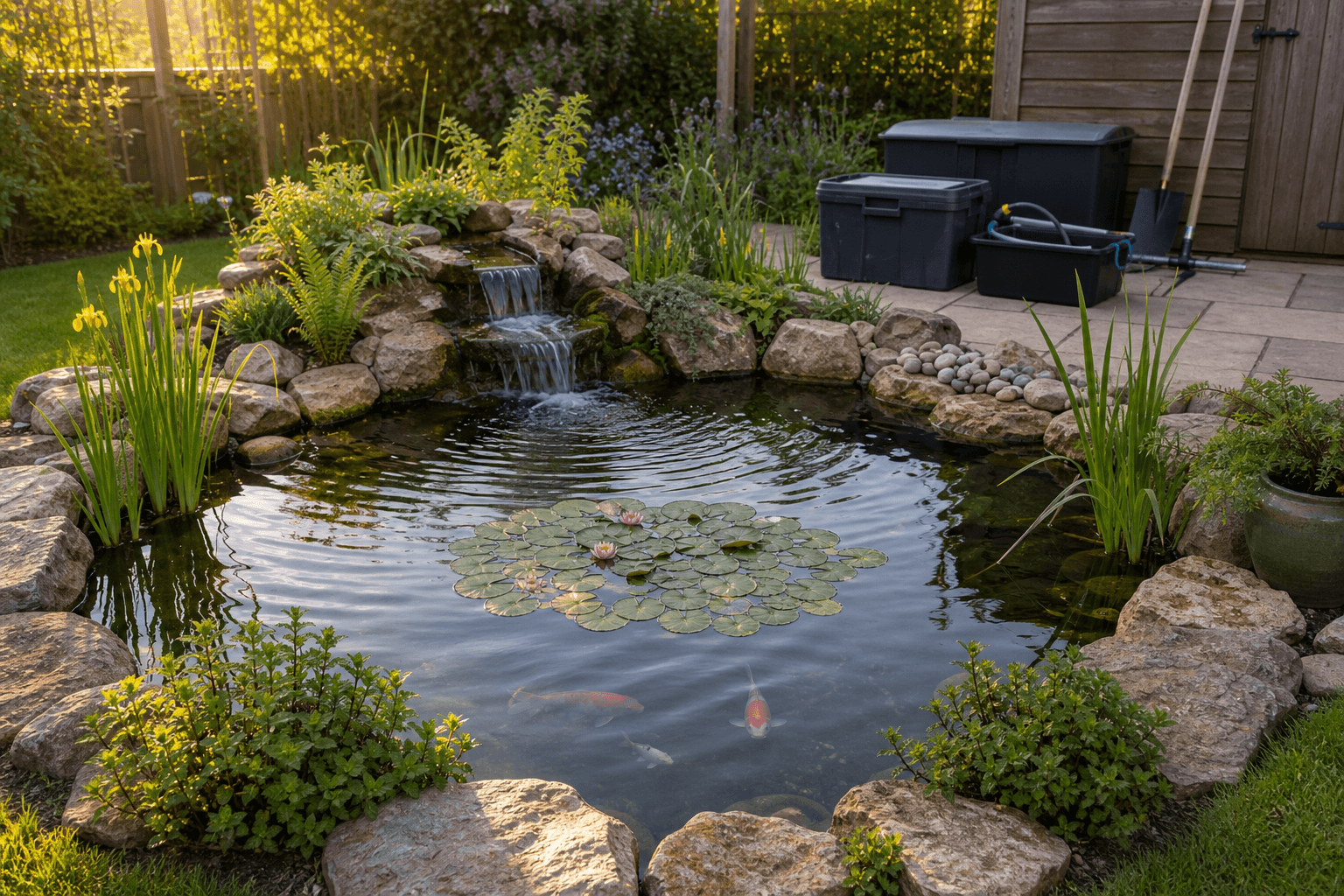
Why a garden pond matters
A well-planned garden pond can transform a home and garden space from a pleasant backdrop into a living, breathing focal point. The gentle sound of water, the glint of sunlight on a lily pad, and the seasonal activity of insects and birds create an atmosphere that is both calming and engaging. Yet for many homeowners, the idea of adding a pond feels daunting: Which liner do you choose? How do you size a pump? What about filters, plants, fish, or wildlife? This guide brings together practical advice to help you decide what type of pond you want, how to plan for it, and how to keep it healthy through the seasons—while highlighting where specialist retailers like pondkeeper.co.uk fit into the process. The aim is to give you the confidence to start small and expand as your knowledge and ambitions grow. The first decision is purpose. Are you picturing a wildlife-friendly pond that prioritizes habitat and low intervention, or a clear-water fish pond where visibility and water quality are the main goals? Each path influences the depth, equipment, and maintenance you’ll need. Wildlife ponds often succeed with shallow shelves, partial shade, and robust planting to stabilize water quality with minimal hardware. Fish ponds, particularly those for goldfish or koi, usually demand more powerful pumps and filtration to manage the higher nutrient load. Either approach can be attractive and sustainable when thoughtfully designed. Next comes location. Sunlight drives both plant growth and algae, so aim for a balance: four to six hours of sun can encourage flowering plants without overwhelming the pond with heat. Avoid placing your pond directly under large trees, where leaf fall can overload the water with organic matter. Think about access, too, because you will eventually need to maintain pumps, net leaves, or trim plants. A gently sloped approach area and a wildlife ramp help hedgehogs and other small animals escape if they slip in. From here, consider the structural basics: liner or preformed shell, protective underlay, edging, and the equipment footprint. A flexible liner allows for customized shapes and planting shelves, while a rigid preformed pond simplifies installation for small spaces. Underlay is not an optional extra; it cushions the liner from stones and roots. As for equipment, basic setups might include a low-wattage pump to circulate water and oxygen, while clear-water ambitions require a match of pump, filter, and possibly a UV clarifier. If you want a preview of product types and sizes, browsing ranges at pondkeeper.co.uk can help you put names and ballpark prices to the ideas you’re considering.
Choosing equipment and materials
Before you shop, size the pond and estimate volumes. A simple rule of thumb in metric is: length (m) × width (m) × average depth (m) × 1,000 = litres. If you work in centimetres, multiply length × width × average depth and divide by 1,000 for litres. For wildlife ponds, you can keep depths modest—say 25–60 cm in most areas—while still including a deeper pocket to buffer temperatures. Fish ponds benefit from deeper zones of 80–120 cm to protect against summer heat and winter chills. Liners come in several materials. Affordable LDPE and PVC liners can suit smaller or temporary ponds; thicker EPDM or butyl liners offer durability and flexibility for complex shapes and long-term builds. Always pair the liner with a non-woven underlay to protect against punctures and freeze–thaw movement in the ground. Preformed ponds are great for beginners and balconies or courtyards, with molded shelves for marginal plants. Edging choices—stone, brick, timber, or turf—finish the look and secure the liner lip. Pumps and filters determine water clarity and oxygen levels. For fish ponds, aim to turn over the entire pond volume roughly once per hour through the filter, adjusting for head height (the vertical lift from pond surface to the highest point of return) and hose friction. A waterfall or long run of tubing adds resistance, so choose a slightly stronger pump if you prefer dynamic water features. Wildlife-focused ponds can often manage with a gentler circulation rate or even a solar-powered pump that provides intermittent movement without running costs. Filters may combine mechanical media to capture debris and biological media to foster beneficial bacteria that process fish waste. A UV clarifier can reduce free-floating green algae, but it is not a substitute for balanced planting and sensible feeding. For a feel of current pump, filter, and liner options, you can explore offers before you finalize a budget. Planting completes the system. Think in layers: oxygenators beneath the surface; lilies or floating plants to shade the water; and marginals at the edges to knit the shallows together. Diverse planting limits algae by competing for nutrients and creating habitat for insects and amphibians. If you keep fish, start with a conservative stocking level and consider a dechlorinator when filling with tap water. New ponds mature over weeks, not days, so expect some early cloudiness as bacterial colonies establish. Resist the urge to overclean; instead, test water if needed and make gradual adjustments.
From plan to pond: practical steps
Turn intent into action with a measured plan and a simple maintenance routine. Mark the pond outline with string or a hose, then step back and view it from common sightlines—patio doors, a favorite chair, the kitchen sink. Dig in layers, carving broad planting shelves 15–25 cm below the waterline, and a deeper pocket if desired. Remove stones and roots, tamp the soil, and lay underlay and liner with generous overlap. Begin filling slowly, smoothing creases as the water’s weight settles the liner. Secure edging after the pond is full, allowing a slight crown of soil that slopes away from the water to prevent runoff and nutrients washing in during rain. Before switching on equipment, double-check electrical safety with weatherproof sockets and RCD protection. Bury hose runs neatly, and make sure filter lids, hose clamps, and UV units are seated correctly. Note the pump’s wattage and estimated annual running cost based on your local tariff; efficient pumps can save noticeably over a season. If you prefer to benchmark typical kits and capacities, browsing an official site that specializes in ponds can help you match equipment to your design without guesswork. Set a light-touch maintenance rhythm. In spring, clear winter debris, rinse—but do not sterilize—filter media in pond water to preserve beneficial bacteria, and trim back dead plant material. In summer, top up with dechlorinated water during dry spells, thin fast growers, and monitor fish feed so leftovers do not accumulate. In autumn, net falling leaves or skim them out regularly; decaying material is a common driver of nutrient spikes. In winter, keep a small opening in ice with a pond heater or air stone to allow gas exchange—no need to overheat the entire pond. If the water turns green, combine short-term clarity tools with long-term balance. A UV clarifier can address suspended algae, while more shade from lilies and marginal growth limits light for regrowth. For blanketweed, physically remove strands and reduce excess nutrients at their source. Murky water from fine sediment often settles out with time, aided by fine mechanical media in the filter. If you encounter persistent issues, test water for ammonia, nitrite, nitrate, and pH, and adjust gradually—avoid sudden changes that stress wildlife or fish. Finally, consider safety and access: if children visit, install a rigid grille or perimeter fence, and always include a gentle beach or ramp so hedgehogs, frogs, and newts can climb out easily. A pond evolves with the garden; by aligning design, equipment, and seasonal care, you create a stable, rewarding feature that looks after itself more with every passing year.
Key takeaways and gentle next steps
A successful garden pond begins with a clear purpose and thoughtful sizing, then follows through with sensible materials and measured maintenance. Decide whether you want a wildlife haven with layered planting and soft circulation, or a clear-water fish pond with a carefully matched pump, filter, and possibly a UV clarifier. Choose a durable liner and protective underlay, shape shelves for plants, and edge the perimeter so rainwater runs away from the water. Plant in layers to encourage natural balance, and keep stocking levels conservative if you add fish. Seasonally, favor small, regular tasks over big reactive cleanups: net leaves in autumn, prune and tidy in spring, monitor feeding in summer, and keep a vent open in winter ice. Test water if problems persist, making gradual changes to protect the pond’s living community. Energy-aware pump choices and straightforward safety measures complete a low-stress routine. If you would like to see what typical pumps, liners, and filters look like before committing, specialist retailers such as pondkeeper.co.uk can provide helpful product examples and guidance. With a practical plan and a few well-chosen components, you can create a calm, resilient pond that enhances your home and garden for years to come.