Why kitchen essentials matter
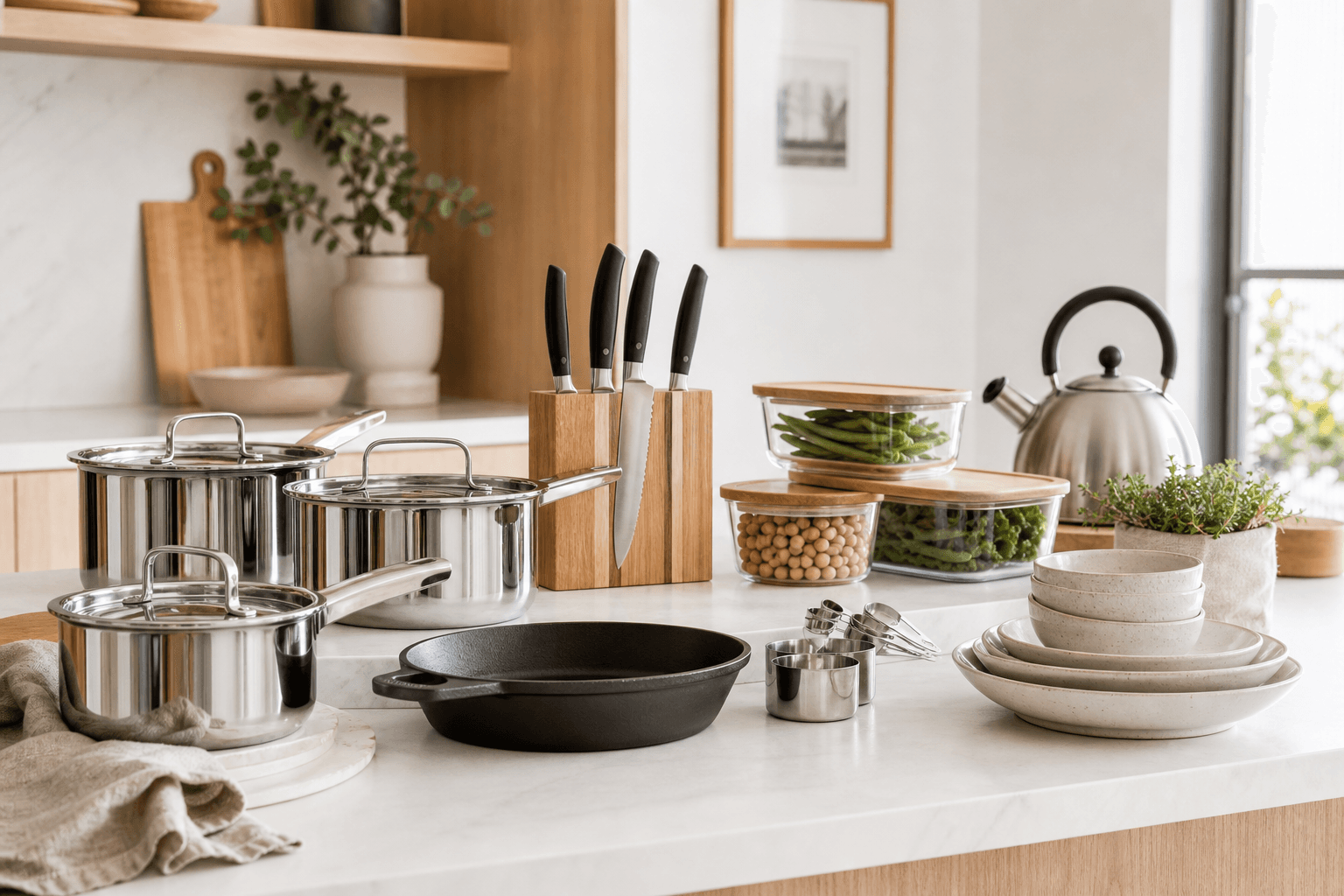
A well-chosen set of kitchen essentials can transform everyday cooking from a chore into a reliable, enjoyable routine. In the home and garden category, this isn’t just about aesthetics; it is about building a foundation that supports weeknight meals, batch cooking, and the occasional dinner party without cluttering benchtops or straining budgets. Many Australian homes juggle limited storage, mixed cooktop types, and an appetite for versatile recipes. That makes careful selection crucial: buy the right pieces once, learn how to use them well, and keep them performing for years. Retailers with broad ranges—such as house.com.au—stock materials and formats suited to gas, electric, and increasingly popular induction cooktops, along with bakeware sized to common local oven cavities. The first goal is to identify a core toolkit that carries most of your cooking, then layer in specialty items only if you need them. For cookware, a medium saucepan for grains and sauces, a large saucepan or small stockpot for soups and pasta, and a frypan or skillet for searing, sautéing, and omelettes cover a remarkable range. Add a roasting tray and a baking sheet, and you unlock everything from tray bakes to cookies. On the prep side, a sharp chef’s knife, a paring knife, and a serrated bread knife offer the most utility for the fewest pieces, while a sturdy cutting board protects both benchtops and blade edges. Measuring cups and spoons, a heat-safe spatula, and tongs round out daily tasks. Material choices matter. Stainless steel offers durability and even heating in multi-ply constructions; non-stick reduces sticking and cleanup for eggs and delicate fish; cast iron delivers excellent heat retention for pan-frying and oven finishing; carbon steel gives responsive heat for high-heat searing and stir-fries. The best set for you hinges on what you cook, your tolerance for maintenance, and the type of cooktop you own. It also pays to think beyond the next recipe. Choosing lids that fit multiple pans, handles that are oven-safe to reasonable temperatures, and storage containers that nest or stack can keep cupboards orderly. A thoughtful starting kit simplifies learning new techniques and helps you plan meals confidently, which is the real everyday value of well-matched kitchen essentials.
What to buy first
Prioritise pieces that see the most weekly use and match how you cook. A balanced cookware trio might include a 24–28 cm frypan or skillet, a 16–18 cm saucepan for reheating or grains, and a 20–24 cm saucepan or small stockpot for soups, blanching, and pasta. If you cook stews or braises, consider an oven-safe casserole or Dutch oven. Stainless-steel clad pans with an aluminium or copper core excel at consistent heat; they can handle searing, deglazing, and oven finishes with minimal fuss. If easy release is more important—say for eggs or pancakes—quality non-stick can be invaluable. Check handle ergonomics, rivet quality, rim design for drip resistance, and stated oven-safe temperatures. For induction, look for base markings or specs that confirm compatibility. Brands often sell mixed bundles that pair a non-stick frypan with stainless saucepans, striking a practical middle ground for everyday cooking. Knife selection is simpler than it looks. A well-made 20 cm chef’s knife, a nimble paring knife, and a serrated bread knife cover chopping, trimming, and slicing loaves or soft fruit. Focus on balance in hand, a comfortable handle, and steel that sharpens easily. Plan on regular honing to keep edges aligned, with periodic professional or guided sharpening to restore bite. Protect your knives on a stable wooden or composite board; using separate boards for fresh produce and proteins helps maintain hygiene and reduces cross-contact of odors. Bakeware anchors oven work. A heavy-gauge baking sheet resists warping and heats evenly, while a roasting pan handles vegetables and meats. If you bake breads or cakes, add a loaf tin and a round or springform pan. For storage, a set of airtight containers in mixed sizes helps with leftovers and bulk ingredients; glass offers clarity and oven-to-table versatility, while BPA-free plastics are light and useful for lunches. Look for leak-resistant seals and stackable designs to claim every centimetre of pantry space. Don’t overlook small tools that punch above their weight. Heatproof spatulas, locking tongs, a balloon whisk, and a digital thermometer can improve precision instantly. When you are ready to compare bundles versus open-stock pieces, it can be helpful to explore offers side by side and note any gaps or duplications. That way, you assemble a set shaped to your kitchen rather than adapting your cooking to whatever happens to be in the box.
How to shop smart
Start with a short audit of your space and habits. Measure cupboard height, shelf depth, and the diameter of your largest burner to ensure pans sit flat and heat evenly. Check oven rack widths and the distance from rack to element if you plan to roast large trays or to bake tall loaves. Then map your weekly menu: a household that stir-fries often may prefer a carbon steel wok or a large stainless skillet, while a soup-and-stew routine benefits from a lidded casserole. If you cook for one most nights, smaller pans with faster heat-up times can help keep energy and cleanup manageable. Budgeting works best in tiers. Decide on a few pieces you’ll use daily and allocate more there, then fill secondary needs with value-driven options. Bundles can reduce the price per piece and create a cohesive look; open-stock buying gives you the freedom to choose exact sizes and materials. Compare specifications such as ply construction, base thickness, oven safety, induction compatibility, and warranty terms. Product pages and verified reviews often reveal details like lid fit, handle heat, or how easily a pan releases food, which might not be obvious from a photo. Timing your purchase can be strategic. Retailers frequently run seasonal promotions around major holidays and at the end of financial year. Loyalty programs and email alerts keep you informed of restocks and limited-time deals. If you prefer to inspect items in person, check click-and-collect availability and store inventory before you go. When shopping online, confirm delivery timeframes, returns policies, and packaging details so heavy items like cast iron are handled safely in transit. Plan for care from day one. Follow the manufacturer’s guidance on first use, whether that’s washing off factory oils or seasoning a carbon steel pan. Use moderate heat with preheating to reduce sticking, and avoid metal tools on non-stick surfaces. Dry cookware immediately to prevent spotting, and store lids upright or in racks to save space. With knives, establish a quick routine: hone lightly before prep, hand-wash and dry after use, and keep edges away from hard sink basins. Well-cared-for tools last far longer and perform more consistently, which maximises value over time. If you want an overview of curated sets and individual pieces suitable for most Australian kitchens, the official site provides clear specifications, size guides, and maintenance tips that make comparing options straightforward.
Key takeaways
Building a reliable kitchen starts with a small, versatile core: a couple of well-sized saucepans, a capable frypan or skillet, a roasting or baking tray, and three knives that handle most prep. Choosing materials to match your cooking style and cooktop—stainless for all-round durability, non-stick for easy release, cast or carbon steel for heat retention and searing—sets you up for consistent results. From there, select bakeware and storage that fit your oven and cupboards, watching for pieces that nest, stack, and multitask. A short audit of space and habits prevents mismatches, while a tiered budget helps you invest in the items you’ll reach for daily. Compare specs and warranties carefully, consider bundles versus open-stock, and time purchases around sales to stretch value without compromise. Finally, commit to basic care—sensible heat, suitable utensils, prompt drying, and periodic knife maintenance—so your tools stay dependable. With a thoughtful plan, you can assemble a compact, effective kitchen kit that supports weeknight cooking, weekend projects, and special occasions, all while keeping benchtops and cupboards tidy. When you are ready to refine your setup, exploring curated ranges and clear product information can make the next step both simple and rewarding.