Why this park matters
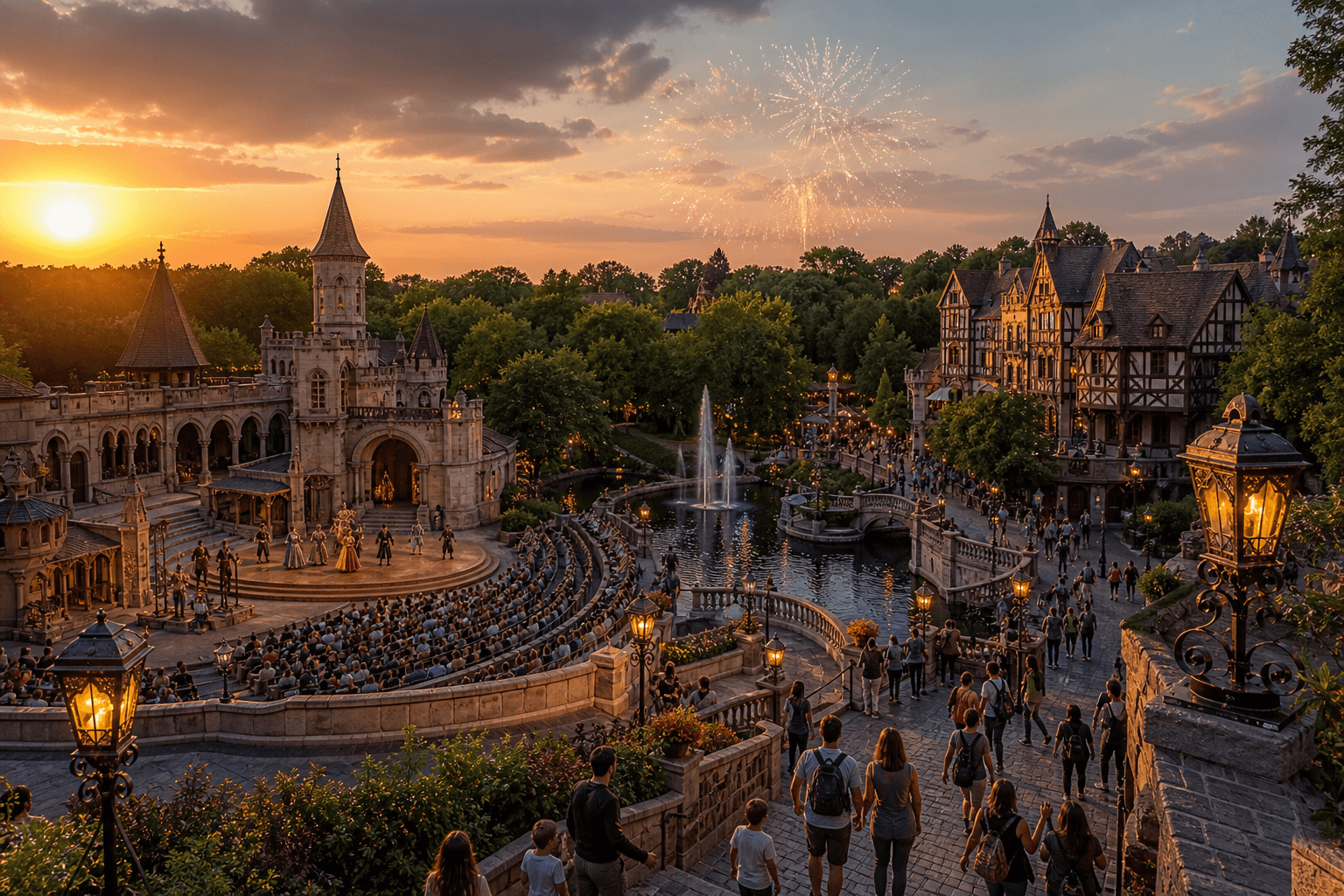
For travelers drawn to immersive storytelling and large-scale live performances, Puy du Fou in western France has become a standout destination within the travel and attractions category. Rather than traditional thrill rides, the park presents a full day of historical spectacles and walk-through experiences that blend theater, staging, and special effects. That focus appeals to families seeking a shared cultural outing, couples planning a themed weekend, and curious visitors who want an alternative to ride-based amusement parks. It also raises a familiar planning question: how do you fit so many shows into a limited schedule, and what should you know before you go to make the most of your time? This guide offers a neutral, practical overview of the park’s format, common visitor needs, and tips to help you organize a smooth visit. Set amid woodlands in the Vendée, Puy du Fou organizes its daytime programming into multiple headline productions and smaller experiences that repeat throughout the day, plus seasonal evening shows on select dates. Because most stages are outdoors or semi-outdoors, timing, weather awareness, and seating strategy all matter. Many travelers weigh whether to come for a single day or stretch to two days, which can ease the pace and allow more flexibility if a must-see show fills up. Language support is another consideration: narration relies on visual spectacle and music, and translation solutions are commonly available for key productions, making the park approachable for international guests. Lodging is available in themed on-site hotels and across nearby towns, giving a range of budgets and travel styles more choice. Transportation typically centers on driving, although visitors also arrive via regional train connections and rental cars from cities like Nantes or Angers. As you refine dates, it helps to verify operating calendars, show lineups, and any seasonal offerings directly through puydufou.com so you can match expectations with what is available during your visit. With some upfront planning, you can reduce uncertainty around seating times, meal breaks, and weather-dependent decisions, leaving more bandwidth to enjoy the craft and creativity on display.
What to expect on-site
Puy du Fou’s format rewards smart scheduling. The park publishes daily timetables with start times for its signature shows and repeats most productions several times, allowing you to build an itinerary around your top choices. The well-known nighttime spectacular typically runs on specific dates with separate entry, while daytime productions span different historical eras—from Viking raids to Roman arenas to nautical expeditions. Because seating fills up at peak times, arriving early to the larger venues increases your chances of securing a comfortable spot without rushing. Many guests group nearby shows to cut walking time and then insert shorter walk-throughs or village areas between headline productions for a balanced pace. Dining ranges from casual counters to themed restaurants, and reservations can be helpful at popular sit-down venues, especially during weekends and holidays. On-site themed hotels provide the advantage of proximity and early starts, while nearby accommodations in the region can widen price and style options. Families will find stroller-friendly paths in many areas, though some amphitheaters have stepped access; staff typically direct guests to dedicated entrances for strollers and limited mobility. Accessibility measures vary by venue, and assistance is commonly available for visitors with reduced mobility. For non-French speakers, translation or audio support solutions are usually offered for major shows. Weather awareness plays a big role in comfort. Outdoor seating means sun hats and light layers in summer, plus a rain jacket or poncho if forecasts turn unsettled. Spring and autumn evenings can be cool, so an extra layer is wise for late performances. The park environment is generally spacious, but hydration and periodic breaks are helpful on busy days. Ticketing options may include one- or two-day access; the latter can reduce pressure to see everything at once. If you intend to visit during a peak period or on a date with a nighttime show, booking earlier can improve availability. For the latest prices, calendars, and seasonal programs, you can explore offers and confirm details in advance. Parking is typically straightforward, though arrival time affects walking distance. While show content is designed for broad audiences, some scenes feature dramatic effects; parents may wish to preview descriptions to gauge suitability for sensitive viewers.
Plan like a pro
Once you have your dates, build a simple plan anchored to two or three priority shows, then add nearby productions that fit around those start times. Aim to reach the first major venue 30 to 40 minutes early during high season; outside peak times, 20 minutes may suffice. Keep a flexible slot midday for dining or for a second attempt at a popular show you missed earlier. If you are visiting for one day, consider focusing on a cluster of stages to reduce transit time across the park. Two-day visits offer a calmer rhythm and leave breathing room for unexpected weather or schedule shifts. Packing light but thoughtfully improves comfort: sun protection, a refillable water bottle, compact rain gear, and a small cushion or scarf for bench seating can make a difference during long shows. Comfortable walking shoes are essential, and a small power bank helps keep phones charged for schedules, photos, and navigation. Families traveling with young children may prefer earlier showtimes and a midafternoon break, then return for later performances if energy allows. For meal planning, a late lunch can avoid peak restaurant queues, while booking a sit-down dinner on busy dates provides certainty. If you are deciding between staying on-site or nearby, weigh the convenience of walking back to your room against broader price and style options in the surrounding area. Travelers arriving by car should factor in a buffer for parking and entry; those using regional trains can plan transfers to rental cars or local taxi services. Photography during shows is usually permitted without flash, but always follow staff guidance and avoid blocking views. Lastly, revisit the daily program in the morning and just after lunch, as minor timetable updates can occur. To verify calendars, show availability, translation tools, and practical services, consult the official site shortly before your visit. With a few structured choices, you can balance must-see productions against breaks, meals, and weather, creating a steady pace that keeps the day enjoyable and manageable.
Key takeaways for travelers
Puy du Fou emphasizes immersive shows over thrill rides, so your visit benefits from planning around start times, nearby venues, and the day’s weather. Checking the program early and arriving ahead of large productions helps secure seating without rushing, and two-day tickets can ease the pace if you want extra flexibility. Families, couples, and culture-seeking travelers will find a range of dining options and both on-site and nearby accommodations, with translation support commonly available for major shows. Light layers, sun protection, and compact rain gear are practical year-round, while a simple plan—anchoring two or three priority shows and filling gaps with nearby experiences—creates a comfortable rhythm. Parking, meal reservations, and a midafternoon break further reduce stress on busy dates. By confirming operating calendars, nighttime schedules, and any seasonal offerings before you go, you align expectations with what is available during your travel window. With these straightforward steps, you can focus less on logistics and more on the craft, scale, and atmosphere that define the park’s productions.